What Are the Top Laboratory Supplies in 2026?
What are the top laboratory supplies in 2026? The answer depends on the work being done, the sample being handled, and the standards a lab must meet. Still, some essentials appear across many settings: accurate pipettes, dependable balances, sterile tubes, quality glassware, protective equipment, and reliable storage. Small details matter. A clearly marked tube or a well-fitting pipette tip can help prevent avoidable handling errors.
This guide looks beyond popularity to practical value. It considers how laboratory supplies support repeatable measurements, organized workflows, sample integrity, and safer daily work. Digital tools and connected instruments may also deserve attention, but their features should be assessed against real laboratory needs—not attractive product descriptions alone. Check specifications, compatibility, maintenance requirements, and manufacturer guidance before choosing equipment. That is not always obvious. A lower purchase price, for example, may not reflect replacement costs or the time needed for calibration and upkeep.
No single list can fit every laboratory. A teaching lab, a clinical setting, and a materials research facility may need different priorities. Even within one lab, requirements can change as methods evolve. The sections ahead offer a practical framework for comparing essential equipment and consumables in 2026, while recognizing that product quality and suitability must be verified for each application.
Core Roles of Laboratory Supplies in Research and Testing
What Are the Top Laboratory Supplies in 2026?
Core Roles of Laboratory Supplies in Research and Testing
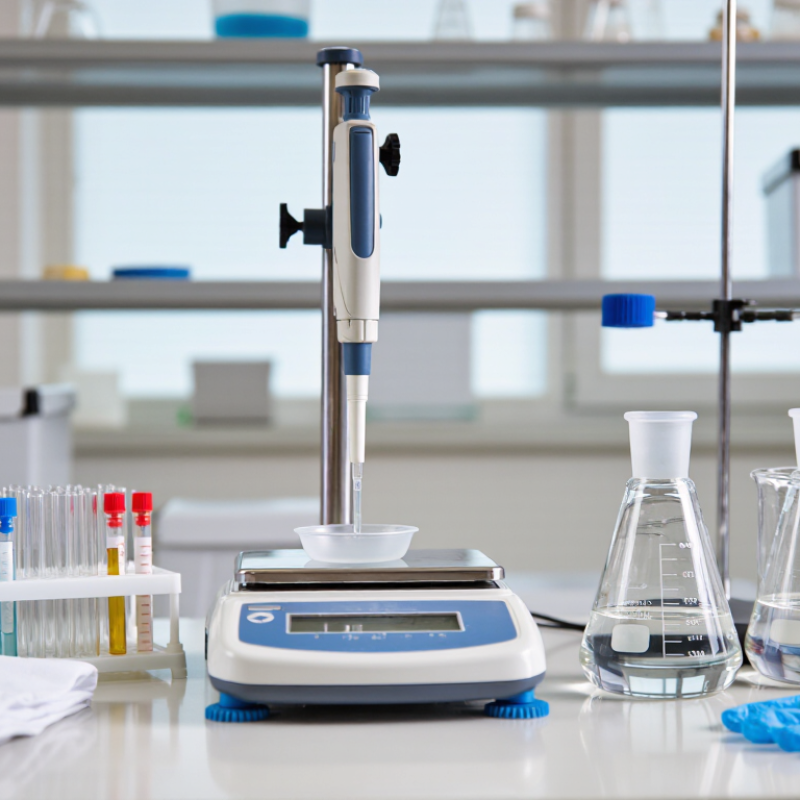
Lab supplies are not just tools; they shape how consistently a method can be performed. Pipettes and calibrated balances help measure small volumes and masses with controlled precision. Tubes, flasks, and reagent bottles contain samples while reducing spills and cross-contamination. Labels keep sample identity visible through storage, preparation, and analysis. In routine testing, that detail matters. One unclear label can waste a day’s work.
Reliable results also depend on supplies suited to the task. Filter tips can reduce carryover during sensitive liquid handling, while clean glassware supports accurate solution preparation. Gloves, eye protection, and suitable waste containers help protect staff and keep work areas orderly. Calibration records and lot tracking add useful context when results need review. Yet equipment alone cannot fix a poor method. A tidy bench can still produce misleading data.
Tips: Match each item to the procedure, sample, and required accuracy. Check packaging and expiry dates before use. Keep reference materials and controls separate from working samples. Replace damaged containers promptly, and record any unusual handling. Small habits help. Check before use. A brief checklist may prevent avoidable errors, though it cannot replace training.
Essential Consumables for Routine Laboratory Procedures
What Are the Top Laboratory Supplies in 2026?
Essential Consumables for Routine Laboratory Procedures
Reliable routine work depends on simple items: pipette tips, microtubes, gloves, slides, specimen containers, and reagent reservoirs. Choose tips and tubes that fit the instruments and protocols in use; poor fit can waste samples or disrupt a workflow. Keep sterile supplies sealed until needed, and check packaging, expiry dates, and lot numbers before use. Small details matter. A clean bench also needs lint-free wipes and clearly labeled waste containers.
Consumables shape both data quality and waste handling. The World Health Organization’s 2024 health-care waste fact sheet estimates that about 85% of health-care waste is non-hazardous, while 15% is hazardous. This broad estimate is not specific to laboratories, but it highlights why local procedures should distinguish ordinary waste from contaminated materials. Avoid over-ordering: excess stock can expire, while poorly planned substitutions may introduce compatibility problems.
Tips: Store frequently used items near the work area, but keep sterile packs protected from splash and dust. Set a simple reorder point for high-use tips, tubes, and gloves. Review the list every month; usage changes, and our estimates are not always right.
What Are the Top Laboratory Supplies in 2026?
Essential consumables for routine laboratory procedures, compared by representative nominal volume capacity.
Pipette tips and centrifuge tubes are widely used for transferring, measuring, and storing samples. Values show common nominal sizes; actual capacities vary by product design.
Key Instruments and Equipment Used Across Laboratory Settings
Laboratories rely on a practical mix of instruments, not one universal equipment list. Adjustable pipettes and analytical balances support accurate liquid handling and measurement. Microscopes help examine cells, fibers, and small material defects. For repeatable results, teams should check calibration records and keep suitable consumables close at hand. Small details matter.
Sample preparation often depends on centrifuges, vortex mixers, and temperature-controlled baths. A centrifuge must be balanced with compatible tubes before operation; uneven loading can cause vibration and damage. Cold-storage units protect temperature-sensitive samples, while autoclaves sterilize appropriate materials using validated cycles. Not every item belongs in every laboratory. Selection should reflect the work, sample type, and required safety controls.
Shared spaces may also need fume hoods or biological safety cabinets, which serve different purposes and require appropriate maintenance. A hood should not be treated as a substitute for a cabinet. Verify airflow and follow site procedures. Bench space, power access, cleaning routines, and staff training affect whether equipment works well in daily use. A tidy inventory can still overlook worn cables or overdue service. That is easy to miss. Equipment lists need periodic review, especially when methods or workloads change.
Criteria for Selecting Reliable and Compatible Supplies
Reliable laboratory supplies start with the task, not the catalogue. Match tubes, tips, plates, and reagents to sample type, instrument, temperature range, and workflow. A tube may fit a rack yet interfere with an analyzer lid or automated pipette. Check dimensions, material, sterility status, lot documentation, and stated tolerances before routine use. Small details matter. The WHO’s 2022 Global Report on Infection Prevention and Control estimates that healthcare-associated infections affect 7 of every 100 acute-care patients in high-income settings. In lower- and middle-income settings, the estimate is 15 per 100. These figures do not measure supply quality, but they underline why contamination controls and handling instructions deserve scrutiny.
Request certificates or traceability records where relevant. Confirm that calibration, storage, and cleaning instructions fit your lab’s procedures. ISO 15189:2022 emphasizes equipment suitability, maintenance, and metrological traceability in medical laboratories. Compare incoming lots against acceptance checks, especially seal integrity and fit, rather than relying on a familiar label. Fit matters. Specifications can look complete while real workflows reveal awkward handling or poor visibility. Keep a small pilot set before changing a high-volume workflow.
Emerging Laboratory Supply Trends in 2026
Laboratory supply trends in 2026 are less about novelty and more about dependable workflows. Connected inventory tools can track pipette tips, gloves, and reagent bottles as stock changes. A simple low-stock alert may prevent a technician from discovering an empty box midway through a run. But digital tracking only helps when staff keep records current.
Sustainability is also shaping purchasing decisions. Reusable glassware, concentrated cleaning solutions, and right-sized packaging can reduce waste in some settings. The trade-off matters: reuse requires validated cleaning and careful handling. Not every lab can switch at once. A practical trial might compare breakage, water use, and staff time before changing routine orders.
Automation is moving beyond major instruments. Benchtop devices, electronic pipettes, and barcode-based sample tracking can make repetitive work more consistent. Clear calibration records and compatible consumables remain essential. Small details count. A poorly fitting tube rack can disrupt an otherwise efficient workflow. One area still deserves reflection: added software can create more alerts and data to manage. Labs should assess whether a new supply or tool solves a real problem, rather than adding complexity for its own sake.