Why Choose Quality Lab Equipment for Your Business?
Why Choose Quality Lab Equipment for Your Business?
A laboratory’s credibility often begins with the instruments placed on its benches. Reliable lab equipment supports accurate measurements, repeatable results, and safer daily workflows. A balance that drifts by a few milligrams can distort an entire formulation. A poorly calibrated incubator may quietly damage weeks of biological work.
Dr. James O. Westgard, a recognized laboratory quality expert, said, “Quality must be built into the process, not inspected into the result.” This principle applies directly to equipment purchasing. Quality instruments usually offer stronger calibration systems, clearer documentation, durable materials, and dependable technical support. These details may appear modest during a sales demonstration. They become important after months of continuous use.
Good equipment protects more than data. It protects staff time, client confidence, and business reputation. It can also reduce repeated tests, maintenance interruptions, and avoidable waste. However, expensive does not automatically mean suitable. That is an uncomfortable truth.
A high-end analyzer may exceed a small laboratory’s actual needs. A cheaper device may create hidden costs through unstable performance or limited service access. Buyers should examine workload, accuracy requirements, operating conditions, warranty coverage, and future expansion plans. Ask difficult questions.
Does the supplier provide traceable calibration records? Can engineers respond quickly? Are replacement parts realistically available? These questions reveal value more clearly than a polished brochure.
Choosing quality lab equipment is therefore a practical business decision, not merely a technical preference. Still, every purchase deserves review. Equipment must match real work, not imagined growth. Reliable performance begins with honest evaluation.
What Defines Quality Laboratory Equipment?
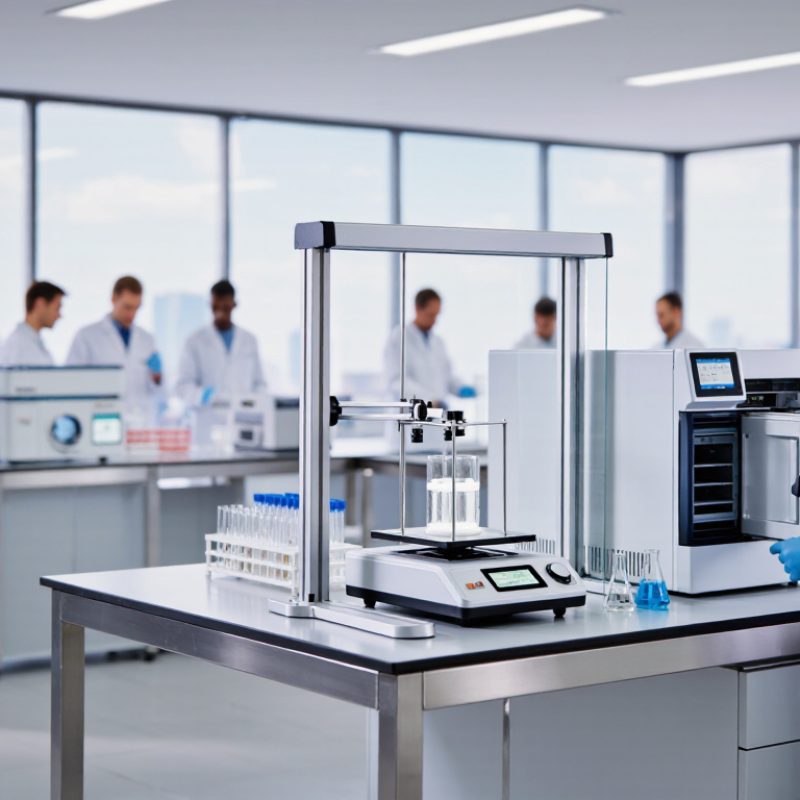
Quality laboratory equipment is defined by more than a polished exterior. In daily use, it delivers stable results under controlled conditions. A balance should resist vibration and provide repeatable readings. An incubator should maintain an even temperature across every shelf. Small variations can change an entire test series.
Reliable equipment includes clear specifications, calibration records, and traceable performance checks. Documentation should explain operating limits, maintenance intervals, and acceptable error ranges. Practical manuals and service records also support proper verification. In my experience, technicians trust equipment they can inspect, adjust, and understand. Digital displays help, but raw data, alarms, and audit trails matter more.
Safety and usability become important during busy laboratory work. Smooth controls, secure lids, and readable labels reduce rushed mistakes. Surfaces should tolerate routine cleaning without cracking or peeling. Yet no instrument is perfect. Sensors drift, seals wear, and users sometimes skip checks. That uncomfortable truth deserves attention. A strong quality program includes scheduled calibration, staff training, and independent review. It also records failures honestly, rather than hiding them behind impressive specifications.
Why Quality Matters for Business Operations
Quality lab equipment is not simply a purchasing upgrade. It protects daily decisions, timelines, and customer confidence. In practice, stable instruments produce repeatable readings across shifts. That consistency reduces retesting, wasted samples, and avoidable production pauses. The WHO Laboratory Quality Management System handbook notes that laboratory results influence about 70% of medical decisions. Even outside healthcare, the lesson is direct: unreliable measurements can distort inventory, release, maintenance, and safety decisions. Small errors travel quickly.
Quality also creates operational evidence. Proper calibration records, controlled software, and traceable standards help teams explain results during audits. The ISO Survey 2023 reported more than one million ISO 9001 certificates worldwide. This shows how widely structured quality management is used. Yet equipment alone cannot repair weak procedures. A high-end analyzer still fails when staff skip checks or record temperatures late. The uncomfortable part is human. We may buy precision, then manage it casually. That contradiction deserves regular review.
Tips: Set acceptance criteria before buying. Ask for calibration traceability and service response times. Review uncertainty, detection limits, and cleaning needs. Test new equipment with reference materials before routine use. Keep a simple failure log. Patterns often appear there first. Schedule maintenance around workload, not only calendar dates. If a result looks surprising, pause and investigate. Speed matters, but unexplained speed is not efficiency.
Key Factors in Selecting Laboratory Equipment
Choosing laboratory equipment requires more than comparing prices or impressive specifications. In my experience, reliable results begin with a clear understanding of the daily workflow. Consider sample volume, testing frequency, accuracy requirements, available space, and staff training. Equipment should fit the process, not disrupt it. A device that looks advanced may be unsuitable for frequent, routine use.
Calibration stability matters. So does construction quality. Check measurement ranges, temperature control, material compatibility, and cleaning requirements. Ask for maintenance records, operating instructions, and evidence of performance testing. Reliable suppliers should provide clear technical support and replacement information. I have learned that a cheaper purchase can become an expensive pause when service is unavailable. No selection is perfect.
Tips: List your essential tests before contacting suppliers. Compare total ownership costs, including installation, calibration, repairs, and consumables. Request a demonstration with realistic samples when possible. Watch how easily users can load, clean, and monitor the equipment. Small controls matter. Also, leave room for future testing needs, but avoid paying for features nobody will use. A careful review by laboratory staff, quality personnel, and finance teams can reveal practical weaknesses. Still, judgment matters. Sometimes the most familiar option is not the best one. Review the data again.
How Quality Equipment Improves Accuracy and Efficiency
Quality laboratory equipment improves accuracy by controlling the small variables that often escape attention.
Stable temperature, calibrated sensors, and repeatable dispensing reduce variation between tests.
ISO/IEC 17025:2017 requires laboratories to evaluate measurement uncertainty and maintain suitable equipment.
NIST Technical Note 1297 also explains that uncertainty must be included when reporting reliable measurements.
These requirements turn accuracy from a promise into a documented process.
Efficiency improves when instruments produce consistent results without constant correction.
A 2023 industry survey by Lab Manager reported that staffing and workflow pressures remain major laboratory challenges. Reliable equipment can shorten retesting, reduce manual checks, and support faster batch decisions. In daily work, this may mean a balance that stabilizes quickly, a centrifuge with consistent speed, or a data system that records results automatically.
Small gains add up.
Not every expensive instrument performs better.
That is worth remembering. Equipment should match sample volume, detection limits, maintenance skills, and operating conditions. The WHO Laboratory Quality Management System handbook emphasizes documented procedures, calibration, and competent users as connected quality controls. A high-grade instrument still fails when staff skip verification or ignore drift. In practice, I would review calibration records, service intervals, and failed-run data before purchasing.
The machine matters. The surrounding discipline matters more.