Customer Service

10 Tips for Buying the Best PCR Tubes?

Choosing pcr tubes looks simple until a run fails for reasons you cannot immediately see. In a busy laboratory, tiny differences in fit, sealing, and plastic clarity can affect workflow. This guide presents ten practical tips for selecting tubes that match your thermocycler, assay, and daily handling habits. It draws on common laboratory purchasing experience and established quality considerations, not marketing language. Good choices begin with evidence. Not bright packaging.

We will examine polypropylene grade, tube volume, wall design, cap security, evaporation control, and optical compatibility. We will also consider sterile packaging, lot consistency, certification documents, and supplier support. A tube may fit one instrument perfectly and perform poorly in another. Check manufacturer specifications and test representative samples before placing a large order. That extra step costs time. It may prevent wasted reagents, repeated runs, and unclear results. Product descriptions often sound reassuring, but details matter more than adjectives. “Low profile” or “ultra-clear” should lead to measurable specifications.

The best pcr tubes are not always the cheapest or most expensive. They should support reliable thermal contact, clean sample recovery, and consistent sealing. Still, no buying checklist is flawless. Local workflow, instrument calibration, and operator technique can change the outcome. Keep records of trial results, including condensation, cap opening force, and amplification performance. Review those notes with laboratory quality procedures and supplier documentation. If a tube creates doubt, pause before scaling up. Reliable purchasing is a small technical decision with visible consequences at the bench.
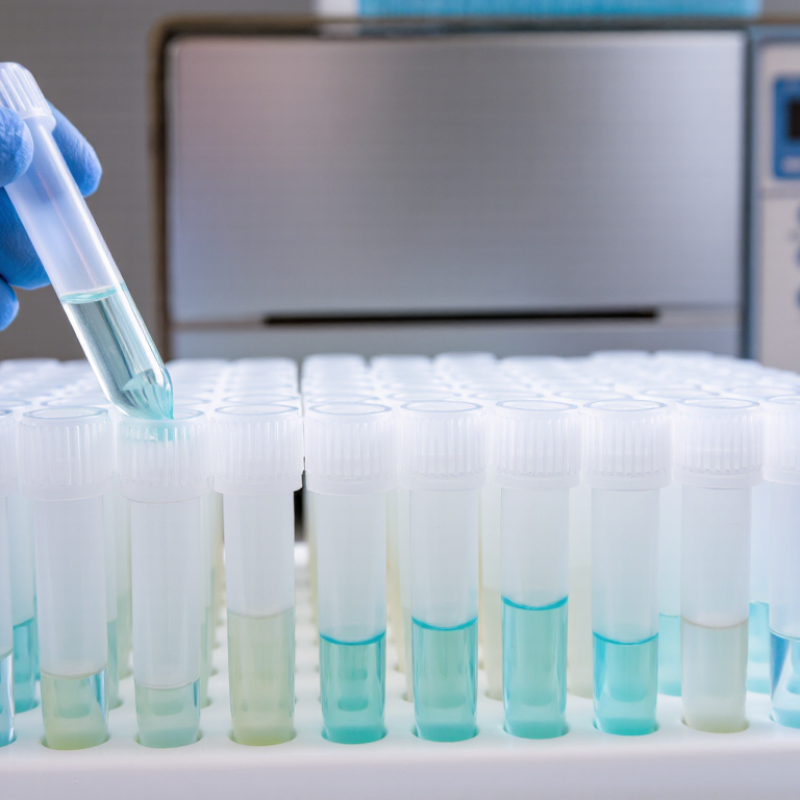
10 Tips for Buying the Best PCR Tubes?

Define PCR Tube Types and Their Intended Applications

PCR tubes are small, but their design can affect amplification quality, evaporation, and result consistency. A 0.2 mL single tube suits low-throughput conventional PCR. Eight-strip tubes reduce handling time for repeated samples. Ninety-six-well plates fit automated workflows and large study designs. Low-profile tubes reduce vapor space and may improve heat transfer in fast cyclers. According to Grand View Research’s 2024 PCR market report, the global PCR market is projected to expand strongly through 2030, increasing demand for reliable consumables and scalable formats.

Application should guide the choice. Conventional PCR usually needs thin-wall tubes with secure caps and stable thermal contact. Real-time PCR requires optically clear, low-fluorescence caps or plates because fluorescence must pass through the vessel. For diagnostic or high-throughput laboratories, skirted plates can support robotic alignment and barcode use. Small-volume reactions can save reagent costs, but they are less forgiving of evaporation and pipetting errors. Very small tubes? Handle carefully.

Material quality also matters. Polypropylene is widely used because it tolerates repeated heating cycles and resists many laboratory chemicals. The 2023 ISO 8655 technical standard highlights the importance of accurate liquid handling, yet tube selection is often overlooked during validation. I would test the complete system, including tubes, caps, seals, and cycler settings. A clear cap is not automatically qPCR-compatible. Even experienced users sometimes assume compatibility without checking optical specifications, closure pressure, or certified volume ranges. That assumption deserves reconsideration.

Assess Material Quality, Thermal Performance, and Chemical Resistance

10 Tips for Buying the Best PCR Tubes?

Assess Material Quality, Thermal Performance, and Chemical Resistance

Material quality affects every amplification result. Choose tubes made from consistent, laboratory-grade polypropylene with uniform wall thickness. Virgin material usually reduces impurities and unpredictable interactions. Check whether the tubes are certified free from DNase, RNase, and PCR inhibitors. A clear tube is not automatically a reliable tube.

During routine bench work, inspect the cap fit before starting a run. The lid should close firmly without excessive force. A loose seal can increase evaporation, especially during long cycling programs. Confirm that the tubes match your thermal cycler’s block format. Poor contact may create uneven heating across the sample. Review published temperature limits, not just general marketing language. Thermal uniformity matters more than a glossy appearance. Small differences matter.

Chemical resistance deserves practical testing. Confirm compatibility with your master mix, fluorescent dyes, detergents, and low concentrations of solvents. Some additives can soften plastic or increase adsorption to the tube wall. Ask for lot-specific quality records when possible. Check dimensional consistency across several pieces, not only one sample. I once trusted a supplier’s visual inspection and overlooked inconsistent caps. That mistake was preventable. A short trial run with controls can reveal leakage, inhibition, or abnormal fluorescence before valuable samples are used.

10 Tips for Buying the Best PCR Tubes? - Assess Material Quality, Thermal Performance, and Chemical Resistance

No. Evaluation Dimension Recommended Data or Benchmark What to Check Why It Matters
1 Base Material Virgin polypropylene (PP) designed for laboratory use; avoid products made from recycled or unidentified plastics. Request the material specification and confirm that the tube is manufactured from PCR-compatible, low-extractable PP. PP provides the flexibility, chemical resistance, and temperature tolerance commonly required for PCR cycling.
2 Working Volume Select a tube with a stated working volume that safely exceeds the reaction volume. Common formats include 0.2 mL tubes for approximately 10–200 µL reactions. Compare the usable volume, maximum volume, and cap displacement with the protocol and thermal cycler block. Correct volume selection helps prevent overflow, evaporation, and poor contact with the heated block.
3 Thermal Performance The tube should remain stable through typical PCR cycling conditions, commonly including approximately 95–100°C denaturation and 50–65°C annealing. Check the supplier's validated operating range and confirm compatibility with the instrument's maximum programmed temperature. Thermally stable tubes reduce distortion, leakage, and changes in heat transfer during repeated cycles.
4 Wall Thickness Thin-wall construction is generally preferred for PCR because it reduces the thermal barrier between the block and the reaction mixture. Look for a thin-wall specification and consistent wall geometry across the entire tube batch. Uniform thin walls support faster and more even heat transfer, improving reaction reproducibility.
5 Dimensional Uniformity Tubes should have consistent height, diameter, base shape, and cap position within the stated manufacturing tolerances. Inspect a sample batch for wobbling, uneven rims, irregular bases, and inconsistent seating in the thermal cycler. Consistent dimensions promote reliable block contact, accurate lid pressure, and dependable robotic handling.
6 Cap and Seal Performance Caps should close securely and maintain a reliable seal during heating without excessive force that could damage the tube. Perform a short heated test using water or buffer and check for visible leakage, cap lifting, or significant volume loss. A dependable seal limits evaporation and condensation, which can otherwise change reagent concentrations.
7 Chemical Resistance PP is generally compatible with aqueous PCR buffers, salts, DNA, RNA, and many dilute laboratory reagents under normal use. Review compatibility data for solvents, detergents, high-concentration additives, and any unusual chemicals in the protocol. Chemical compatibility helps prevent swelling, brittleness, cracking, leaching, and contamination of the reaction.
8 Low-Binding and Cleanliness For low-concentration templates or proteins, choose tubes with documented low-binding performance and low particulate or extractable levels. Check cleanliness statements, lot-control information, DNase/RNase status where relevant, and packaging integrity. Clean, low-binding surfaces can reduce sample loss and help protect sensitive nucleic-acid assays.
9 Optical Properties For real-time PCR, use tubes or plates with an optically suitable, clear sealing area and low background fluorescence. Confirm compatibility with the real-time instrument and review optical specifications rather than relying only on visual clarity. Suitable optical properties improve fluorescence transmission and help reduce signal variability in quantitative assays.
10 Sterility and Traceability Choose the cleanliness level required by the application, such as non-sterile molecular biology grade or certified nuclease-free product. Review lot numbers, certificates, packaging dates, storage instructions, and quality-control documentation. Traceability supports contamination investigations, repeatability, and compliance with laboratory quality procedures.

Note: Actual operating limits, chemical compatibility, optical performance, and volume tolerances vary by tube design and manufacturer. Always verify the current technical specification and thermal-cycler compatibility before purchase.

Compare Tube Compatibility with Cyclers, Caps, and Sealing Systems

Buying the best PCR tubes starts with the cycler, not the catalog photo. Check the tube format, height, well profile, and skirt design against the block. A small mismatch can reduce contact and create uneven amplification.

Fit comes first.

Confirm the tube volume matches your reaction size without leaving excessive headspace. Too much air may increase evaporation during long runs.

Examine the cap carefully. Flat caps support optical reading, while domed caps may suit other instruments. The cap must close firmly without bending the tube or blocking the heated lid.

Check whether the cycler requires individual caps, strip caps, or a sealing film. Sealing pressure matters. A loose closure can dry edge wells, while an overly tight seal may complicate opening and increase contamination risk.

Choose caps with clear labeling areas and consistent hinges for repeated handling.

Inspect the sealing system as part of the same purchase. Test whether the film, mat, or cap maintains contact after cycling. Look for low evaporation, clean piercing, and compatibility with pipette tips or automation.

Optical clarity should remain stable after heating. Ask for lot records, dimensional tolerances, and relevant validation data.

I once trusted a universal-fit claim and skipped a trial run; the tubes technically fit, but the lid pressure was uneven. That mistake changed my process.

Test before scaling.

Run a small comparison using your actual reagents, cycle profile, and handling method. Also check storage conditions, packaging cleanliness, and whether the supplier can maintain consistent production between lots.

Evaluate Volume, Clarity, Sterility, and Contamination Control

The best PCR tube is not simply the clearest one. It must match reaction volume, instrument geometry, and contamination-control procedures. Most standard thermal cyclers use 0.2 mL tubes, while low-volume assays may require 10–20 µL compatibility. Check the manufacturer’s specifications carefully. A loose fit can affect heat transfer and fluorescence readings. The MIQE guidelines in Clinical Chemistry stress that reaction details and quality controls strongly influence qPCR reproducibility.

Tip 1: Match tube volume to the reaction. Avoid large dead space. It can increase evaporation. Tip 2: Choose optical clarity for real-time PCR. Clear caps and uniform walls help reduce signal variation. Tip 3: Confirm sterility documentation. Look for batch records, nuclease testing, and a defined sterilization method. “Sterile” alone is weak evidence.

Contamination control needs practical discipline. The WHO Laboratory Biosafety Manual, fourth edition, recommends risk-based separation of clean and amplified-material areas. Use tubes with secure caps, low-retention surfaces, and consistent sealing pressure. Certified DNase- and RNase-free materials are useful for sensitive workflows. Never assume a clean-looking tube is contamination-free. Tip 4: Test a new lot with negative controls before routine use. Tip 5: Inspect for cracks, warped rims, and cloudy plastic. Tip 6: Review lot-to-lot performance, not only price. I have seen small handling defects create confusing results. That lesson is easy to miss. Also, optical performance can vary between instruments, so local validation remains necessary, even when specifications appear convincing.

10 Tips for Buying the Best PCR Tubes

Evaluate volume, clarity, sterility, and contamination control before selecting PCR tubes.

The chart compares representative PCR reaction volumes with the rated capacity of a standard 0.2 mL tube. Conventional PCR and RT-PCR commonly use approximately 20–50 µL, while qPCR and low-volume reactions often use approximately 10–25 µL. Choose tubes that provide sufficient headspace, clear optical surfaces for fluorescence detection, certified nuclease-free sterility, secure sealing, and features that reduce cross-contamination. Always follow the reaction kit and instrument manufacturer’s specifications.

Review Manufacturing Standards, Packaging, Cost, and Supplier Support

Buying PCR tubes is a specification exercise, not a color choice. Start with manufacturing evidence: ISO 13485 quality systems, documented resin traceability, mold-control records, and batch-level certificates. Check DNase, RNase, pyrogen, and PCR-inhibition testing. For qPCR, inspect transparency and cap fit on the exact instrument. ISO 8655 supports liquid-handling accuracy, but it does not certify every PCR tube. That distinction matters. The MarketsandMarkets 2023 report projected the broader PCR market to grow from 11.9 billion dollars in 2023 to 18.0 billion dollars by 2028. Fast growth can attract inconsistent production.

Packaging deserves a bench-level review. Tubes should arrive sealed, dry, labeled with lot numbers, and protected from crushed racks. Ask for barrier details, sterilization status, expiry dating, and storage limits. Open three packs, not one. Look for warped wells, loose caps, and flakes. A clean certificate cannot rescue damaged packaging. Use a short incoming inspection record with photos. It is simple, but frequently skipped.

Compare cost per successful reaction, not cost per tube. Include rejected runs, extra pipetting, shipping, and minimum-order inventory. Grand View Research reported continued expansion in PCR consumables through 2030, yet market growth does not guarantee value. Ask suppliers for samples, validation support, change-notification rules, and response-time targets. A technical contact should explain failures without blaming your instrument. I would still run a small parallel trial before a bulk order. No checklist is perfect. Recheck fit after every supplier change.

Translate »