How to Choose the Best Cryo Vials for Your Needs?
Choosing the right cryo vials can be challenging. Dr. Susan L. Hartman, a leading cryobiologist, emphasizes, “Not all cryo vials are created equal.” This highlights the importance of understanding your specific needs. The right vials can significantly impact the preservation of valuable biological samples.
Cryo vials come in various sizes and materials. Each option has distinct advantages and disadvantages. For instance, polypropylene vials are great for general storage. However, for sensitive samples, glass vials may offer better protection against temperature fluctuations. Finding the right balance between cost and quality is essential. Many researchers overlook this critical aspect.
When selecting cryo vials, consider certifications, seal types, and temperature tolerance. Ensure the vials fit your storage systems, as compatibility matters. It’s also crucial to assess the integrity of your samples regularly. Paying attention to these factors can prevent costly mistakes later on. The process of choosing cryo vials may seem straightforward, but it requires careful thought and consideration.
Understanding Cryo Vials and Their Applications
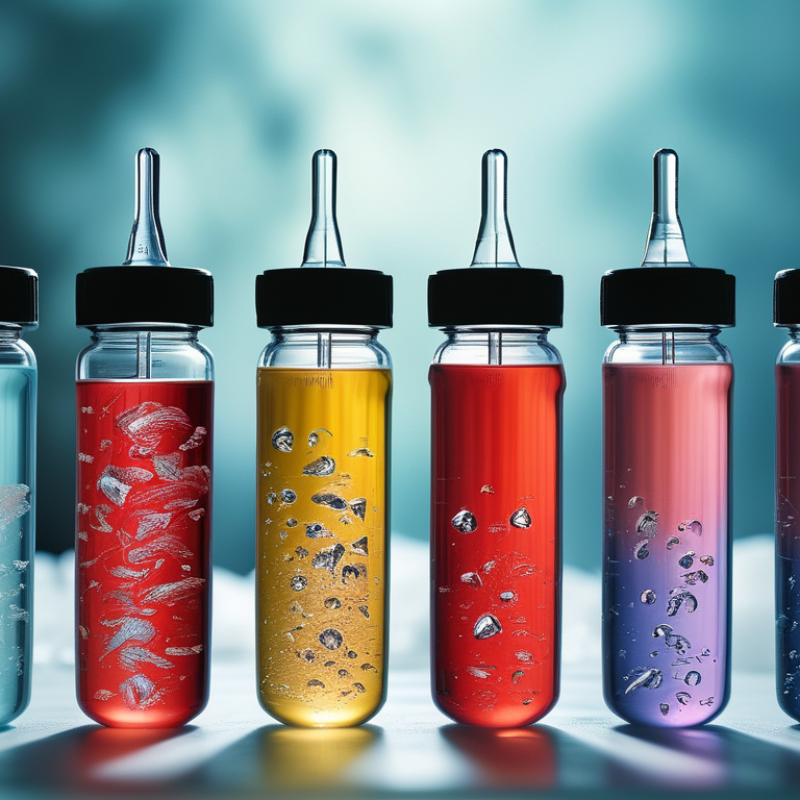
Cryo vials play a crucial role in biological research and biobanking. These specialized containers are designed to store biological samples at ultra-low temperatures, often below -150°C. This ensures the preservation of cells, tissues, and genetic materials. According to a report by Global Market Insights, the cryopreservation market is expected to grow significantly, highlighting the increasing reliance on cryo vials in various applications, including stem cell research and regenerative medicine.
When choosing cryo vials, it is essential to understand their specific applications. For instance, vials must be compatible with liquid nitrogen storage for optimal performance. Selecting the right closure system is also critical, as leaks or contamination can compromise sample integrity. A comprehensive study indicated that the integrity of biological samples is maintained better when using vials with adequate sealing mechanisms.
Consider these points: Ensure the vials you select are certified for medical use. Look for those that offer clear labeling for easy identification. Another important factor is the size of the vials, as it should correspond with the volumes of your samples. Not all vials are created equal, and some may not perform adequately over time. Regular evaluation of your storage solutions can prevent costly mistakes.
Key Factors to Consider When Choosing Cryo Vials
When selecting cryo vials, several key factors must be considered to ensure optimal performance. The material is crucial; most vials are made of polypropylene, which offers excellent chemical resistance and durability. According to a report by the CryoVials Association, choosing vials with a low thermal expansion rate can significantly improve sample preservation.
Volume capacity should match the specific needs of your samples. Standard cryo vials often hold 1.8 mL to 2.0 mL, but customized sizes may be available. A mismatch can lead to sample degradation or contamination. Also, consider the closure type; a secure, leak-proof seal is essential for preventing evaporation during storage. The same report notes that improper sealing can compromise sample integrity, leading to inaccurate research results.
Quality assurance is fundamental. Look for vials with validation data, confirming they are leak-proof and can withstand extreme temperatures. Sample labeling should be clear and durable to prevent misidentification during storage. This unfortunate oversight can lead to costly mistakes later.
To enhance your selection process, evaluate whether the vials are gamma irradiated. This ensures sterility, which is vital for sensitive biological samples. Reflect on the long-term storage conditions as well, as cryogenic environments can be unforgiving. Ensuring compatibility with existing storage systems can also save time and enhance efficiency.
How to Choose the Best Cryo Vials for Your Needs? - Key Factors to Consider When Choosing Cryo Vials
| Feature |
Description |
Considerations |
| Material |
Cryogenic-grade materials that withstand extreme temperatures. |
Choose materials like polypropylene that can resist brittle fracture. |
| Volume |
Different sizes typically ranging from 0.5 mL to 5.0 mL. |
Select volume based on sample size and storage requirements. |
| Cap Type |
Screw caps, snap caps, or bungs available. |
Ensure proper sealing to prevent contamination and evaporation. |
| Sterilization |
Options available in gamma irradiated or non-sterile formats. |
Prioritize sterilization method based on application needs. |
| Closure Design |
Designs that minimize leakage during storage. |
Evaluate if double-sealing or vented options are necessary. |
| Color Coding |
Various colors available for easy identification of samples. |
Choose colors that align with your lab's inventory system. |
Materials and Design: How They Affect Cryo Vial Performance
Cryo vials are essential for preserving biological samples at ultra-low temperatures. The choice of materials directly impacts their performance. Typically, cryo vials are made from plastic or glass. Each material has its pros and cons. For instance, polypropylene is valued for its durability, while glass offers excellent visibility. A study from the Journal of Biorepository Science noted that polypropylene vials can handle temperatures as low as -196°C.
The design of cryo vials also plays a crucial role. Features like screw caps and O-ring seals help prevent leaks. Research indicates that vials with double-sealing mechanisms reduce the risk of contamination. A report from the Cryobiology Journal highlights that improper sealing can lead to sample loss, potentially affecting research outcomes. Additionally, the size of the vial can affect freezing rates, with smaller vials allowing for quicker temperature stabilization.
Choosing the right cryo vial is not just a matter of preference. Factors such as sample type and storage duration need consideration. While many researchers prefer standard sizes, some might require specialized designs. Reflecting on this, one might question whether current industry standards adequately address unique needs. Balancing performance with cost is often challenging, requiring ongoing evaluation and adaptability.
Comparing Size and Volume Options for Cryo Vials
When choosing cryo vials, size and volume are crucial considerations. These vials range from 0.5 mL to 10 mL, each serving different purposes. Smaller vials work well for samples requiring limited storage space. They are easier to handle, but may not hold larger sample volumes. In contrast, larger vials accommodate more material, making them suitable for certain experiments.
Understanding your specific needs can greatly impact your research. For instance, a lab focused on high-throughput screenings may prefer smaller sizes. However, if you anticipate storing samples long-term, larger vials might prevent overfilling issues. The right volume also affects the preservation of biological specimens. Too little space can cause contamination or degradation during freezing processes.
It's essential to reflect on material quality as well. Choosing between polypropylene or glass vials can influence the longevity of your samples. Consider how much volume you typically work with; do you often need to freeze multiple aliquots? Knowing your sample requirements will help you select the best cryo vials for your application. While finding the perfect fit can be challenging, thorough research and careful consideration can lead to more effective preservation solutions.
Best Practices for Storing and Handling Cryo Vials
Storing and handling cryo vials properly is crucial for preserving valuable samples. Start by ensuring that all vials are clearly labeled. This minimizes the risk of mix-ups, especially in busy labs. Use waterproof and smudge-proof labels to avoid loss of legibility. Confirm that the labeling system is consistent across all samples for easy identification.
When placing vials in a storage unit, arrange them carefully. Avoid overcrowding, as this can lead to breakage or contamination. Maintain a stable temperature throughout the storage period. Frequent temperature fluctuations can compromise sample integrity. Regularly monitor the storage environment for compliance.
Handling the vials with care is just as important as storage. Use gloves to prevent contamination during transfers. Be cautious of condensation when moving vials to prevent ice formation on the vials’ exterior. While preparing samples, take the time to ensure the workspace is clean. A cluttered area increases the risk of accidents. It's essential to reflect on past mistakes as they can guide improvements. Addressing these details will help safeguard the quality of cryo-stored materials.