Choosing the right biohazard bin is crucial for safety and compliance in various industries. Proper waste management can significantly reduce the risk of contamination. According to a 2022 report by the Environmental Protection Agency (EPA), improper disposal of biohazardous materials contributes to health risks and environmental damage. Experts stress that choosing a compliant biohazard bin is not just about aesthetics; it involves understanding the specific needs of your facility.
Dr. Emily Foster, an industry expert at the Biohazard Management Association, notes, "Selecting a biohazard bin requires careful consideration of material compatibility and waste types." This highlights the importance of specialized knowledge in the selection process. Each facility has unique waste streams, making it essential to evaluate how different bins fit those needs.
In practice, users often overlook factors like bin capacity and labeling. While some may focus on cost, the implications of improper selection can be dire. Reflecting on past mistakes in biohazard waste management emphasizes that attention to detail and adherence to guidelines is paramount. The right biohazard bin not only secures waste but protects public health and environmental integrity.
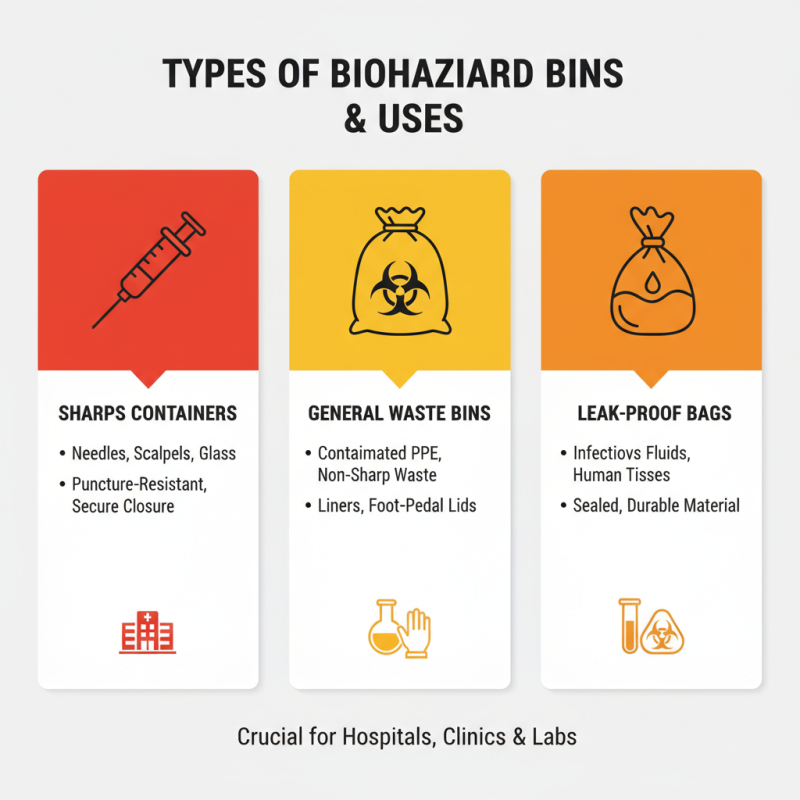
When selecting a biohazard bin, understanding the types available is crucial. These containers typically fall into three categories: sharps containers, general waste bins, and leak-proof bags. Sharps containers are designed specifically for needles and sharp objects. They are often puncture-resistant and have a secure closure to prevent accidental spills. Hospitals and clinics primarily use them for safety.
General waste bins are for non-sharp biohazardous materials. They are usually color-coded and designed with a tight-fitting lid. This prevents any potential exposure to harmful substances. Leak-proof bags serve a different purpose. They are ideal for transporting biohazard waste from one location to another. These bags must be robust to prevent leaks during transit.
Choosing the right type of bin is essential for compliance and safety. A mismatch can lead to serious health risks. Evaluating your specific needs is vital. Not every facility may have the same requirements. It's important to reflect on these details when making a decision. The selection process can be overwhelming, but understanding these types will simplify it.
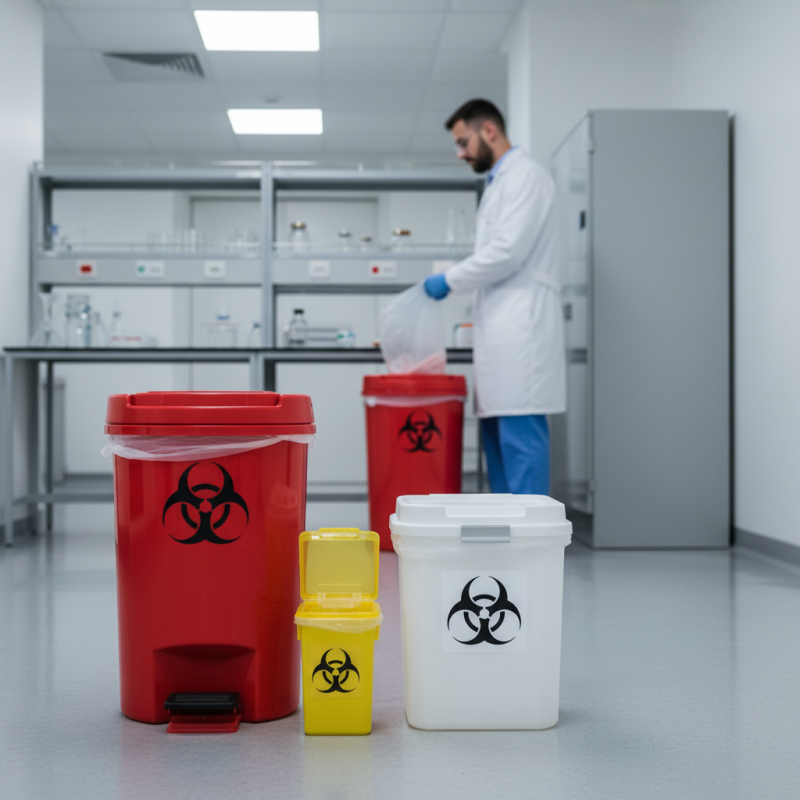
When selecting a biohazard bin, it’s essential to focus on key features that ensure safety and compliance. One crucial aspect is the material used in the bin’s construction. High-density polyethylene (HDPE) is preferred due to its resistance to chemical exposure and durability. According to a report by the Occupational Safety and Health Administration (OSHA), materials in biohazard waste containers significantly influence their effectiveness and compliance with safety standards.
Moreover, the lid design plays an integral role. A foot-operated or tightly sealed lid minimizes the risk of exposure. The Centers for Disease Control and Prevention (CDC) recommends bins with clearly marked labeling to avoid misuse. In fact, mislabeled containers can lead to serious contamination issues, underscoring the need for proper signage.
Size is also a vital consideration. Too small bins will prompt overfilling, leading to spills, while excessively large bins can occupy unnecessary space. It’s recommended that healthcare facilities evaluate their waste generation data. A 2021 report indicated that 40% of healthcare settings underestimated their waste output, impacting their choice of bin size. Balancing functionality and safety is key in selecting the right biohazard bin.
Choosing a biohazard bin requires careful thought about the materials used. The durability of the bin is crucial, especially in environments dealing with hazardous waste. According to the Environmental Protection Agency (EPA), the right material can reduce leakage risks by up to 80%. This statistic underlines the importance of selecting a high-quality bin that can withstand harsh conditions.
Plastic bins are commonly used due to their lightweight nature and cost-effectiveness. However, they may not offer the same durability as metal options. Some studies in the Journal of Waste Management indicate that stainless steel bins exhibit greater resistance to corrosion and damage. This durability ensures a longer lifespan, reducing the frequency of replacements.
Additionally, consider bins with puncture-resistant properties. This can prevent potential breaches during disposal processes. Various reports suggest that nearly 30% of biohazard leaks occur due to insufficient container strength. Choosing a properly designed bin not only enhances safety but also promotes best practices in biohazard handling. So, the material matters more than one might initially think.
| Material Type | Durability | Safety Features | Cost Range |
|---|---|---|---|
| Polyethylene | High resistance to chemicals, impact-resistant | Tight-fitting lids, biohazard labels | $50 - $100 |
| Steel | Very durable, withstands high temperatures | Locking mechanisms, corrosion-resistant finish | $100 - $200 |
| Fiberglass | Lightweight, good chemical resistance | UV stabilized, anti-fade properties | $80 - $150 |
| Plastic Composites | Good impact resistance, flexible | Seamless design, can be sterilized | $30 - $70 |
Regulatory compliance is critical when selecting a biohazard bin. Various agencies set standards to ensure safety in biohazard waste disposal. These include the Environmental Protection Agency (EPA) and the Occupational Safety and Health Administration (OSHA). Knowing these guidelines helps organizations avoid legal issues.
Different types of biohazardous materials may require specific bin types. Color coding is common for easy identification. For instance, red bins often indicate infectious waste, while yellow bins signify chemotherapy waste. Using the correct bin can prevent cross-contamination. Compliance with these regulations isn’t just about following rules; it’s also about fostering safety.
Many organizations underestimate the importance of proper disposal. A lack of training may lead to mistakes in waste management. This could result in serious health risks or legal consequences. It's crucial to regularly review compliance standards and staff training programs. Engaging with local authorities can provide guidance. Every choice made reflects a commitment to safety and responsibility.
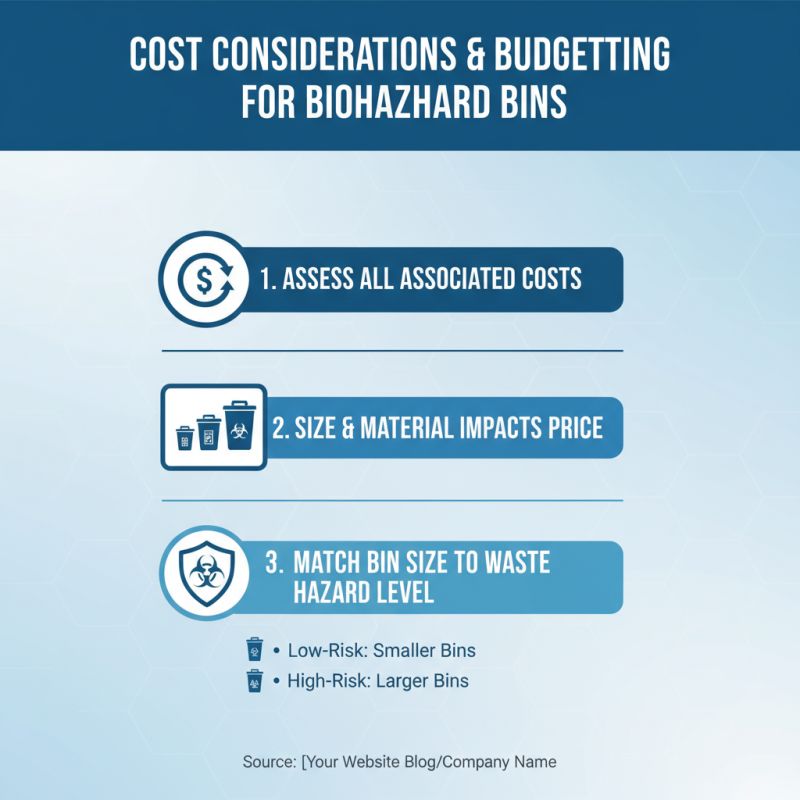
When budgeting for biohazard bins, it's essential to assess all associated costs. These bins come in different sizes and materials, impacting their prices. Understanding your specific needs will help in selecting the right option. For instance, smaller bins may suffice for low-risk tasks. However, larger bins are often necessary for more hazardous waste. This fundamental difference influences the initial purchasing cost.
Additionally, maintenance and disposal fees should be factored into your budget. Regular cleaning and replacement can add significant costs over time. Sometimes, the cheapest bin might end up being more expensive in the long run due to lower durability. Investing in a more robust option can be prudent if it reduces overall expenses.
Training employees to use these bins properly can also impact costs. A lack of proper training may result in contaminated waste and potential fines. Thus, the cost of training should not be overlooked. Balancing quality with budgetary constraints ensures compliance and safety without breaking the bank. Consider reviewing multiple suppliers and their warranties. A warranty can save you from unexpected future expenses. It’s beneficial to choose a reliable supplier who can provide ongoing support and maintenance services.