What Are the Best Lab Vials from China?
Choosing the best lab vials from China requires more than comparing prices or browsing attractive catalogs. The right vial must protect samples, fit laboratory workflows, and perform consistently under real storage conditions. A clear borosilicate glass vial may suit chemical analysis, while amber glass can protect light-sensitive compounds. Plastic options may reduce breakage, but compatibility must be verified carefully.
Reliable evaluation begins with measurable details. Check glass type, wall thickness, neck finish, closure liner, and dimensional tolerance. Ask for certificates, batch records, and test data. ISO 9001 certification can support confidence, but it does not replace product inspection. Experienced buyers often request samples before approving a larger shipment. They may test leakage, crimp quality, thermal resistance, and chemical compatibility. Small defects matter.
The strongest Chinese suppliers usually provide traceable production, responsive technical support, and stable quality across batches. Factory audits can reveal details that websites rarely show, such as cleanroom practices, packing methods, and inspection equipment. Yet no supplier is perfect. A polished catalog can still hide inconsistent closures or weak documentation. That is why this guide compares materials, manufacturing controls, customization options, and practical purchasing risks. It also considers transport damage, labeling accuracy, and long-term supplier communication. The best lab vials are not simply the cheapest products. They are dependable tools supported by evidence, careful testing, and honest review.
What Makes a Chinese Lab Vial Suitable for Your Application?
What Makes a Chinese Lab Vial Suitable for Your Application?
A suitable Chinese lab vial begins with the sample, not the supplier’s catalog. For aqueous, acidic, or sensitive solutions, Type I borosilicate glass usually offers stronger hydrolytic resistance. USP General Chapter <660> evaluates this resistance through controlled extraction testing. ISO 8362-1 also defines key vial dimensions and performance requirements. These standards create a useful baseline, but they do not replace application testing. A clear vial can still release extractables, crack during freezing, or fit poorly with its closure.
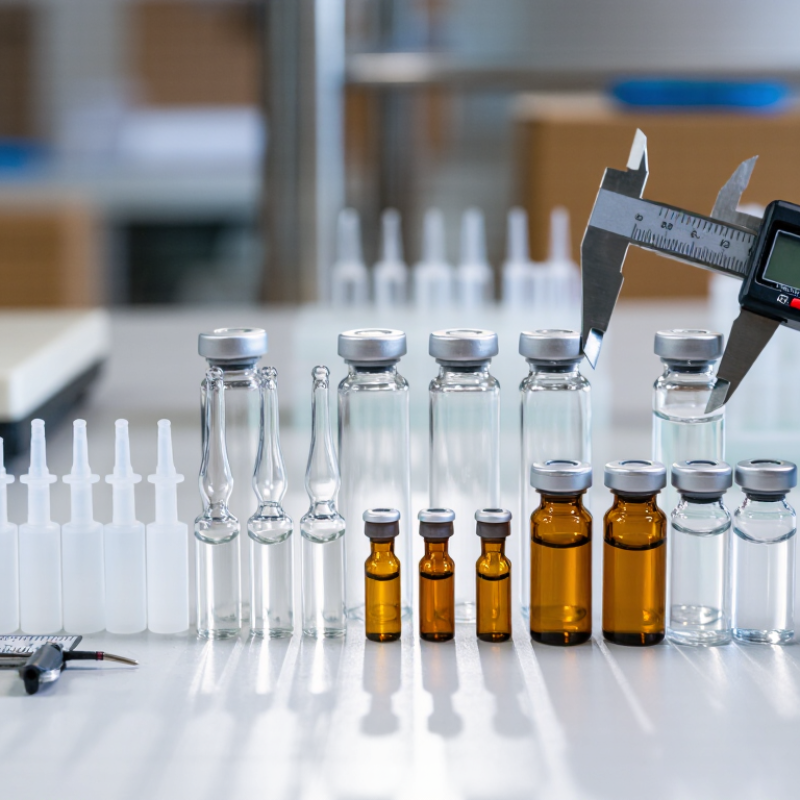
Check the vial’s capacity, wall thickness, neck finish, and closure compatibility. For routine analysis, dimensional consistency matters more than appearance. For light-sensitive samples, amber glass may reduce exposure, but its optical performance needs verification. FDA guidance on container-closure systems recommends assessing protection, compatibility, and integrity throughout storage. Request lot-specific certificates, particulate limits, sterilization information, and extractables data. China has capable glass manufacturers, yet quality can vary between production lines. That is where careful verification matters.
Tips:
Compare samples from three production lots. Test them at your actual temperature range. Inspect the neck under magnification. Do not assume “borosilicate” means identical performance. I would also challenge my first choice after transport testing; vibration and thermal shock reveal weaknesses that a clean sample hides. A vial suitable for powder storage may fail with volatile liquids. Small details decide the application.
Which Materials Are Used in Chinese Laboratory Vials?
Chinese laboratory vials commonly use borosilicate glass, soda-lime glass, polypropylene, and high-density polyethylene. Borosilicate glass remains the preferred option for solvents, heat exposure, and sensitive samples. Its low thermal expansion reduces cracking during repeated temperature changes. USP <660> evaluates glass through hydrolytic resistance, while ISO 15378 connects pharmaceutical packaging with good manufacturing practices.
Plastic vials offer lower weight and better impact resistance. Polypropylene works well with many aqueous samples and moderate heat. HDPE provides stronger moisture protection, although it can absorb some organic solvents. PTFE-lined caps are often paired with glass vials for aggressive chemicals. Quartz is useful for ultraviolet analysis, but its price and processing demands are higher. Materials matter more than appearance.
A 2024 Grand View Research report identifies pharmaceutical glass packaging as a major market segment, with continued growth driven by sterile and chemical-resistant packaging needs. The report also highlights rising demand for lightweight formats. That trend is practical, but lighter glass may reduce handling tolerance. No material is perfect.
Tips:
Request material certificates, dimensional drawings, and extractables data. Check the vial against your solvent, temperature, and storage period. Ask for hydrolytic-resistance results for glass. For plastic, request chemical-compatibility testing. One overlooked issue is the closure liner. It can contaminate samples even when the vial itself performs well. Independent batch sampling is wiser than trusting a catalogue description.
How to Compare Vial Types, Sizes, and Closure Systems
Choosing the best lab vials from China starts with the application, not the supplier catalog.
Glass vials suit many chemical and pharmaceutical samples because they resist absorption and tolerate temperature changes. Clear glass supports visual inspection. Amber glass helps protect light-sensitive materials. Plastic vials are lighter and less likely to break, but some solvents may interact with them. I learned that material compatibility should be checked with the actual sample, not guessed from a product photo.
Size affects handling, storage, and waste.
Small vials reduce headspace when testing limited samples. Larger sizes work better for repeated transfers or thicker liquids. Compare the usable volume, not only the stated capacity. A 10 mL vial may not safely hold 10 mL during transport. Closure systems also matter. Screw caps are practical for frequent opening. Crimp closures can provide strong sealing, but they need consistent tools and technique. Snap caps are convenient, although their seal may vary between applications.
Tips: Request samples before placing a large order. Check vial dimensions, wall thickness, cap liners, and leakage performance. Ask for material specifications and batch records. Test the closure after refrigeration, shaking, or heating when relevant. Inspect several pieces, not just one. Small defects can be easy to miss. Supplier documentation helps, but independent verification remains important. My own comparison process is still imperfect; I sometimes focus too much on price and overlook the time required for compatibility testing.
How to Evaluate Chinese Vial Manufacturers and Quality Standards
Choosing the best lab vials from China requires more than comparing prices or glossy catalogs. A reliable evaluation begins with the glass type, intended application, and required storage conditions. Borosilicate glass is often selected for chemical resistance, but the exact grade still matters. Check dimensional tolerances, wall thickness, surface defects, and closure compatibility. Small variations can affect automated filling and sealing.
During a supplier audit, request current certificates, not scanned documents from several years ago. ISO 9001 supports quality management, while ISO 15378 is more relevant to manufacturers serving pharmaceutical packaging. Ask for test reports covering hydrolytic resistance, particulate control, extractables, and container-closure integrity. Standards such as USP <660> and Ph. Eur. 3.2.1 may apply, depending on the destination market. Review batch records and traceability from raw glass tubing to final inspection. A certificate alone proves little.
Factory conditions reveal practical quality. Look for controlled production areas, calibrated measuring equipment, documented cleaning procedures, and trained inspectors. Request samples from different production batches. Measure the neck finish, inspect the rubber stopper fit, and observe whether labels remain readable after cold storage. I once focused too heavily on test data and overlooked inconsistent packaging. That was a costly lesson. Perfect paperwork cannot correct chipped rims, loose closures, or unclear communication. Confirm lead times, complaint handling, change-control procedures, and whether the manufacturer reports deviations honestly. Candor matters.
How to Select and Order the Best Lab Vials from China
Selecting the best lab vials from China begins with the intended test, not the lowest quotation. Choose Type I borosilicate glass for sensitive samples, especially where pH stability and low extractables matter. USP General Chapter <660> and ISO 8362-1 provide useful requirements for glass containers, dimensions, and hydrolytic resistance. Start with samples.
Check vial capacity, neck finish, wall thickness, closure material, and silicone compatibility. Ask for drawings, batch-specific certificates, sterilization records, and extractables or leachables data. A polished catalog is not enough. I would also request samples from at least three production batches, because a single perfect sample may hide process variation. Do not guess.
Ordering requires more than choosing a factory. Grand View Research’s 2024 laboratory supplies analysis forecasts approximately 5.5% compound annual growth through 2030, reflecting rising demand but not guaranteed quality. Compare inspection systems, cleanroom controls, dimensional tolerances, and packaging protection. Confirm whether the supplier performs visual inspection, torque testing, and container-closure checks. ISO 15378 is a valuable reference when vials support pharmaceutical packaging. For international shipments, define labeling, moisture protection, pallet standards, and acceptable defect limits in the purchase agreement. Keep retention samples after delivery. This step feels excessive until one cracked vial delays an entire test series.