Top Benefits of Cryogenic Storage for Modern Science and Industry?
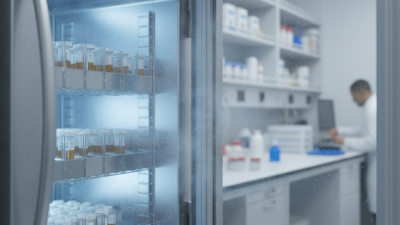
Cryogenic storage has become essential in modern science and industry. This technology allows materials to be preserved at extremely low temperatures. It plays a crucial role in pharmaceuticals, biotechnology, and materials science. Various processes often require specific temperature ranges to maintain integrity.
The benefits of cryogenic storage are significant. For instance, it extends the shelf life of biological samples. Cells and tissues can be stored for years without degradation. However, ensuring the systems are efficient is a challenge. Many researchers struggle with the costs and complexities of cryogenic systems.
Despite these hurdles, cryogenic storage remains a powerful tool. It can lead to breakthroughs in research and product development. Industries are beginning to invest more in these technologies. The potential for innovation is immense. However, relying solely on cryogenic storage could be limiting. It's essential to explore complementary methods for preservation and storage.
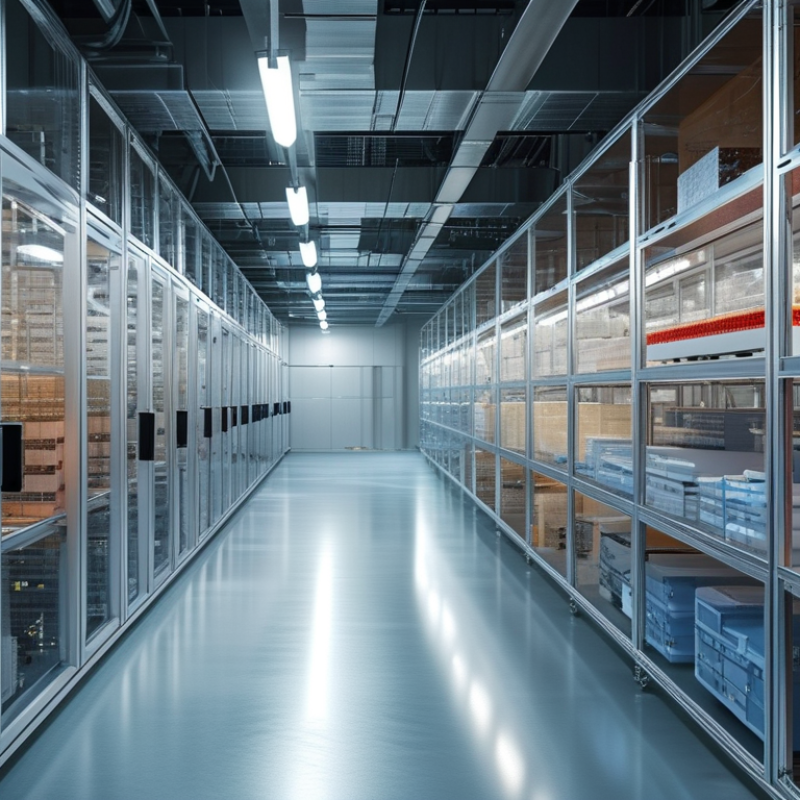
Advantages of Cryogenic Storage in Preserving Biological Samples
Cryogenic storage plays a crucial role in preserving biological samples. This method involves cooling materials to extremely low temperatures. By doing so, it slows down molecular activity, thus extending the lifespan of cells and tissues. For researchers, this means maintaining sample integrity over long periods, which is vital for experiments.
One significant advantage is the preservation of genetic material. DNA can degrade quickly at regular temperatures. In cryogenic conditions, the molecular structure of DNA remains stable. This stability is essential for genetic research and biobanking. Additionally, cryogenic storage aids in the preservation of stem cells and other vital cells used in therapies. It ensures these samples remain viable for future use.
However, cryogenic storage is not without its challenges. The process can be costly and requires precise management of storage conditions. There may also be some risks during thawing, as improper techniques can lead to sample degradation. Researchers must constantly evaluate these aspects to ensure reliability. Understanding these limitations is essential for maximizing the benefits of cryogenic storage in modern science.
Top Benefits of Cryogenic Storage for Modern Science and Industry
| Benefit |
Description |
Application Areas |
| Long-Term Preservation |
Cryogenic storage allows for the long-term preservation of biological samples without degradation. |
Biobanking, Research Laboratories |
| Cell Viability |
Maintains the viability of cells and tissues for further use in experiments and therapies. |
Stem Cell Research, Gene Therapy |
| Stability of Biological Materials |
Reduces enzymatic and biological activity, ensuring the stability of samples. |
Pharmaceutical Development, Tissue Engineering |
| Facilitates Research |
Provides researchers with easy access to preserved samples over extended periods. |
Genetic Research, Environmental Studies |
| Reduced Risk of Contamination |
Minimizes contamination risks associated with microbial activity. |
Clinical Trials, Microbiology |
| Energy Efficiency |
Modern cryogenic systems are designed to be energy-efficient for large-scale storage. |
Industrial Applications, Research Institutions |
Cost-Efficiency of Cryogenic Solutions for Research and Industry Applications
Cryogenic storage offers significant cost-efficiency for research and industrial applications. By utilizing extremely low temperatures, materials can be preserved for longer periods. This leads to reduced waste and fewer resource expenditures. For many sectors, including biotechnology and materials science, this means lower operational costs.
Consider the energy consumption of cryogenic freezers. They are efficient compared to traditional storage methods. This can often lead to reduced electricity bills. However, it’s important to optimize their operation. Over time, incorrect settings can lead to higher costs. Regular maintenance is vital to ensure energy efficiency.
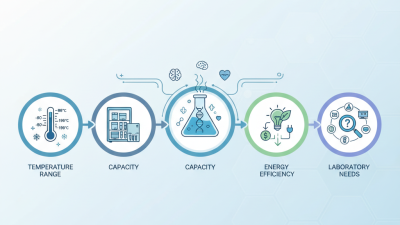
Tips: Always monitor storage temperatures regularly. This prevents unnecessary energy use. Consider investing in energy-efficient cryogenic systems. They may have a higher upfront cost but save money long-term. Evaluating your specific needs before purchasing is crucial. Each application can differ significantly, and not all solutions are one-size-fits-all.
Impact of Cryogenic Storage on Material Properties and Performance
Cryogenic storage offers significant advantages for modern science and industry. One key impact is on material properties. At extremely low temperatures, materials exhibit different behavior. Metals can become more ductile, while polymers may gain enhanced stability. This transformation allows for new applications in various fields.
One notable use is in preserving biological samples. Cryogenic temperatures can maintain cell viability and functionality over long periods. Researchers rely on this technique to ensure the longevity of critical samples. Preservation is vital in advancing medical and scientific research.
**Tips:** Always monitor temperature fluctuations. Inconsistent temperatures may compromise material integrity. Consider performing regular audits of your storage systems. Understanding the nuances of cryogenic storage is crucial. Not all materials respond the same way to extreme cold. This variation can influence performance in unexpected ways. Always document experiments and adapt as necessary.
Impact of Cryogenic Storage on Material Properties
Role of Cryogenic Technology in Pharmaceutical and Vaccine Development
Cryogenic technology plays a vital role in pharmaceutical and vaccine development. This method preserves biological materials at extremely low temperatures. By doing so, it ensures the stability and integrity of sensitive compounds. For instance, many vaccines require storage at -70 degrees Celsius or lower. This precise temperature prevents the degradation of active ingredients.
Using cryogenic storage, researchers can maintain the efficacy of vaccines during distribution. It allows for longer shelf lives, which is essential for global vaccination efforts. However, there are challenges. Not all facilities are equipped for cryogenic management, leading to potential risks in transport and storage. Creating awareness about these infrastructures is crucial.
**Tips for Effective Cryogenic Storage:**
- Always use appropriate containers designed for low temperatures.
- Monitor temperature regularly to ensure consistency.
- Train staff thoroughly on handling cryogenic materials.
These strategies can significantly improve outcomes in pharmaceutical research and development. Cryogenic storage is not just a technical solution; it's a necessary step toward medical advancements. As technology evolves, the importance of reliable cryogenic systems will only grow.
Future Trends and Innovations in Cryogenic Storage Systems and Techniques
Cryogenic storage has rapidly evolved, influencing both science and industry. Recent reports highlight a significant growth trajectory. The cryogenic storage market is projected to reach over $20 billion by 2026, reflecting a compound annual growth rate of around 8.5%. This growth is driven largely by advancements in cryogenic techniques and a surge in applications across various sectors.
New innovations include more efficient and compact storage systems. Recent developments in insulation technology and advanced refrigeration methods enhance energy efficiency. For instance, the introduction of high-performance cryogenic vacuum insulation can reduce energy loss significantly. Additionally, automation in cryogenic facilities is on the rise. Robotics and AI are being integrated to improve precision and reduce manual errors. This shift can lead to improved safety and better resource management.
Despite these advancements, challenges remain. The initial investment for setting up cryogenic storage facilities can be high. Additionally, the complexity of handling cryogenic materials requires specialized training. As researchers explore further, a balance between efficiency and cost-effectiveness is essential. Future trends will likely focus on overcoming these obstacles. Enhanced materials, better safety protocols, and continued research are critical for optimizing cryogenic solutions in various fields.