Why Use a Cryo Freezer for Long Term Biological Storage?
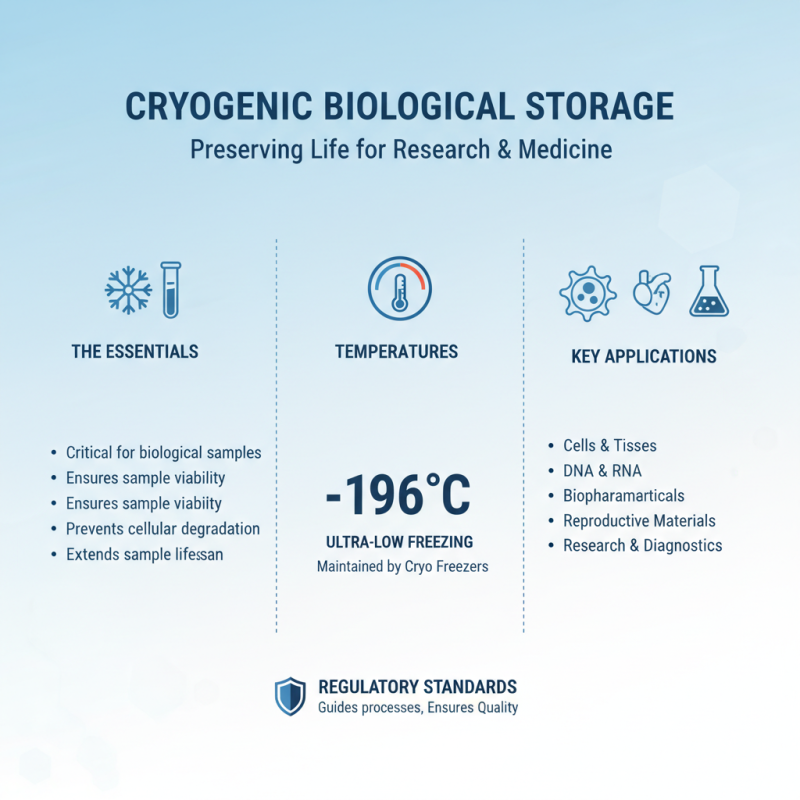
In the realm of biological storage, utilizing a cryo freezer is paramount. These advanced devices are designed to preserve biological materials at ultra-low temperatures, significantly reducing cellular activity. According to a report by the National Institute of Health, samples stored at -80°C or lower can maintain viability for years. Industry expert Dr. Sarah L. Thompson emphasizes this point, stating, “A cryo freezer extends the shelf life of samples and ensures their integrity.”
Cryo freezers play a vital role in various fields, including medicine and research. For instance, they are indispensable for storing stem cells, tissues, and reproductive cells. When these materials are preserved properly, they can be used for future therapies and studies. However, not all cryo freezers are created equal. Poorly maintained units can lead to temperature fluctuations, potentially compromising sample quality. This risk underlines the importance of selecting high-quality equipment and regular maintenance.
Maintaining an optimal storage environment is a challenge. Issues like frost buildup can affect functionality. Moreover, the expense of investing in a reliable cryo freezer may deter some organizations, yet the long-term benefits outweigh the initial costs. In conclusion, understanding the criticality of cryo freezers is essential for preserving our biological treasures effectively.
Benefits of Cryopreservation for Biological Samples
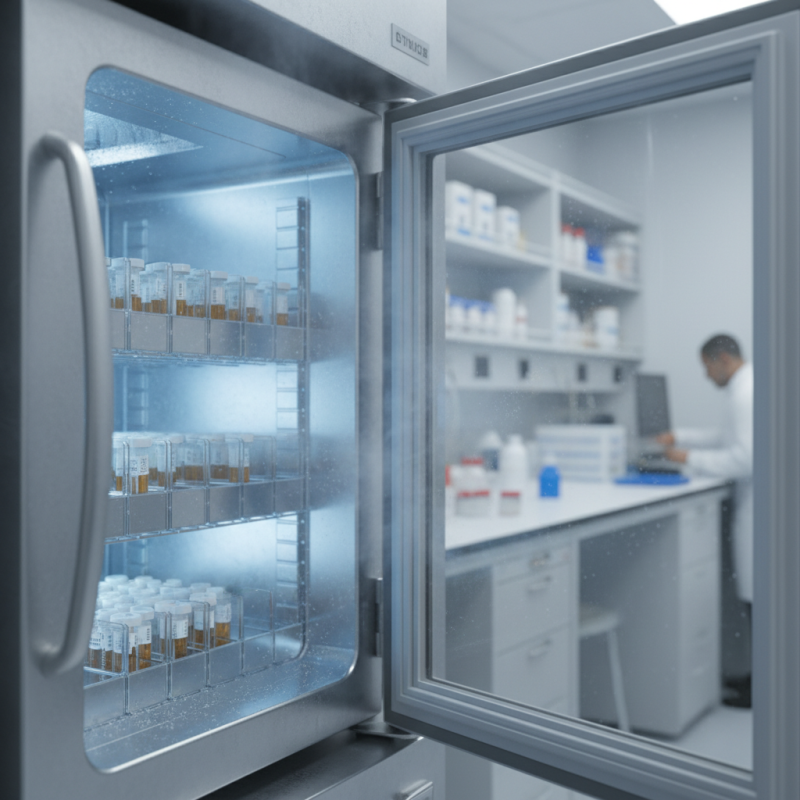
Cryopreservation plays a crucial role in the long-term storage of biological samples. This method involves cooling biological materials to extremely low temperatures. It effectively halts cellular metabolism and preserves samples for future research. By using a cryo freezer, researchers can maintain the integrity of cells, tissues, and even genetic material.
One significant benefit is the extended longevity of samples. Cells stored at ultra-low temperatures can survive for years. This allows for future experiments without the need for immediate processing. However, challenges arise with the freezing process. Ice crystal formation can damage cells if not managed properly. Researchers must focus on optimizing the freezing protocols.
The versatility of cryopreservation is also noteworthy. It applies to various samples, including embryos, sperm, and stem cells. Each type requires different freezing techniques. This complexity can lead to mistakes if not executed carefully. Attention to detail is essential in cryobiology. Overall, while cryopreservation offers immense advantages, it poses unique challenges that necessitate ongoing reflection and improvement.
Optimal Temperature Ranges for Long-Term Biological Storage
Optimal temperature ranges are crucial for long-term biological storage. For most biological samples, temperatures between -80°C and -196°C provide ideal conditions. A study in *Cryobiology* highlights that samples stored at -80°C retain 90% of their integrity for over ten years. This is essential for preserving cell lines and genetic materials.
However, achieving these temperatures requires reliable cryo freezers. Variations in temperature can lead to cellular damage. A recent report indicated that even a fluctuation of one degree could reduce cell viability significantly. Regular monitoring and precise calibration are necessary to mitigate these risks.
Biobanks often store samples at ultra-low temperatures. They utilize vapors from liquid nitrogen for optimal conditions. Yet, the need for human oversight remains. Equipment failures or human error can occur. Therefore, while cryo freezers are effective, diligence in their management is key. Balancing technology with proper handling practices is vital for successful long-term storage.
Impact of Cryo Freezers on Cell Viability and Functionality
Cryogenic freezers significantly enhance the preservation of biological samples. These freezers operate at extremely low temperatures, often below -150°C. Research indicates that cell viability can exceed 90% after long-term storage. This exceptional preservation rate is crucial for sensitive cells, tissues, and other biological materials.
Viability is not the only factor affected by cryogenic storage. Cryo preservation influences cell functionality. For instance, stem cells stored in cryo freezers retain their differentiation potential. A study from the Journal of Cryobiology highlighted that over 80% of thawed stem cells retained their ability to differentiate effectively. However, cryopreservation is not without challenges. Ice crystal formation during freezing can compromise cell integrity. This creates a need for optimized cryoprotectants and protocols.
Another concern is the effect on metabolic activities. Some studies suggest that certain cell types experience altered metabolic processes post-thawing. Bioresearch requires careful monitoring of these changes to ensure the validity of experimental outcomes. Understanding these intricacies helps inform best practices in biobanking and long-term cell storage. The journey of biological storage is both promising and complex.
Impact of Cryo Freezers on Cell Viability and Functionality
Cost-Effectiveness of Using Cryo Freezers for Biostorage
Cryo freezers are essential for long-term biological storage. They maintain low temperatures to preserve cells, tissues, and biological samples. The cost-effectiveness of these units is evident when considering their advantages over traditional storage methods. With a single cryo freezer, a lab can save money on storage space and material loss.
Investing in cryo freezers reduces the risk of sample degradation. Less degradation leads to fewer failures in experiments. Reliability is crucial in research and production environments. However, initial costs may be higher than regular freezers. Maintenance might also require specialized knowledge, which can be a concern for some facilities.
Despite these challenges, the return on investment is substantial. Many biobanks report enhanced sample integrity and longevity. Cryo freezers can hold large quantities of samples efficiently. This can mitigate the need for frequent replacements and the costs associated with them. The reality is that while cryo freezers demand upfront costs, the long-term savings in sample preservation can be significant.
Why Use a Cryo Freezer for Long Term Biological Storage? - Cost-Effectiveness of Using Cryo Freezers for Biostorage
| Aspect |
Cryo Freezer |
Conventional Freezer |
Refrigerated Storage |
| Temperature Range |
-150°C to -80°C |
-20°C to -80°C |
1°C to 8°C |
| Storage Duration |
Indefinite for biological samples |
1-3 years for certain samples |
Days to weeks |
| Sample Viability |
High |
Moderate |
Low |
| Energy Consumption |
Higher |
Moderate |
Lower |
| Initial Cost |
$10,000 - $50,000 |
$500 - $5,000 |
$1,000 - $3,000 |
| Long Term Savings |
Yes |
No |
No |
Regulatory Standards and Best Practices in Cryogenic Storage
Cryogenic storage has become essential for biological samples. Regulatory standards guide this process, ensuring samples remain viable for research and medical use. According to industry reports, a cryo freezer can maintain temperatures as low as -196°C. This is crucial for preserving cells, tissues, and other biological materials. Such conditions prevent cellular activity and degradation, extending sample life.
It is important to adhere to best practices during storage. For instance, using validated freezers is vital. These devices should meet international standards, like those set by the International Society for Biological and Environmental Repositories (ISBER). Regular temperature monitoring is essential too. A recent study found that 30% of samples are compromised due to improper storage conditions.
Tips: Always label samples clearly. Use visible dates for tracking. Also, ensure backup systems are in place to prevent data loss. While many facilities comply with regulations, occasional lapses occur. It's crucial to regularly review protocols. Reflecting on these practices can enhance sample integrity and reliability.