What is a Transfer Pipette and How is it Used in Laboratories
In the world of laboratory science, precision is key. A transfer pipette is an essential tool, widely used for liquid handling tasks. This simple yet effective device allows for the accurate transfer of small volumes of liquids. It is especially important in various fields, including biology, chemistry, and medicine.
Transfer pipettes come in different designs. Some are made from glass, while others are disposable plastic. Each type has its purpose, depending on the required precision and the nature of the liquids. These tools help minimize contamination and ensure reliable results.
However, using a transfer pipette might present challenges. For instance, achieving consistent volume might require practice. It's crucial to understand how to hold and use the pipette properly. This skill is vital to maintaining the integrity of experimental results. As with any laboratory tool, continuous reflection and improvement are valuable for gaining expertise in using transfer pipettes correctly.
What is a Transfer Pipette?
A transfer pipette is a fundamental tool in laboratory settings. It is designed for transferring liquids accurately from one container to another. Made from plastic or glass, it features a narrow tube with a bulb at one end. This simple design allows users to control the volume of liquid being moved, making it essential for experiments that require precision.
Transfer pipettes come in various sizes. Depending on the experiment, researchers may choose a pipette that holds a specific volume. Some are disposable, reducing contamination risks. Others can be reused after thorough cleaning. It's crucial to understand the limitations of a transfer pipette. Overheating or squeezing the bulb too hard can lead to inaccurate measurements. This could impact experimental results significantly.
Using a transfer pipette may seem straightforward, but mistakes can happen. Not all liquids behave the same way. For example, viscous liquids may require more effort to transfer completely. Understanding the liquid's properties is essential. Proper technique is vital for accuracy. Users should practice transferring different liquids to refine their skills. As with any lab tool, continuous learning and careful handling are key to achieving reliable outcomes.
Types of Transfer Pipettes Used in Laboratories
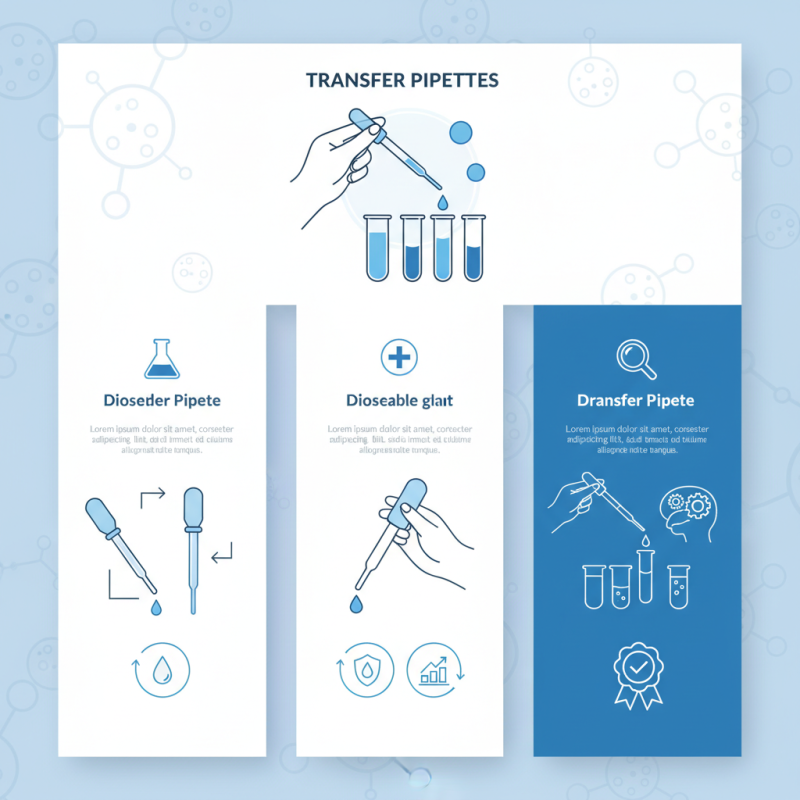
Transfer pipettes are essential tools in laboratories, used for precise liquid handling. They come in different types, each serving specific purposes. Two common varieties are the plastic transfer pipette and the glass transfer pipette.
Plastic transfer pipettes are lightweight and flexible. They are disposable, making them a popular choice for one-time use. This reduces the risk of contamination. However, they may cause environmental concerns due to their disposability. Glass transfer pipettes, on the other hand, are reusable and more durable. They offer greater precision, especially for small volumes. Yet, they require careful handling to avoid breakage.
Both types have their pros and cons. Labs must consider cost, safety, and precision. It is worth reflecting on these choices to ensure an appropriate fit for the intended application. This balance plays a crucial role in laboratory workflows.
How to Properly Use a Transfer Pipette
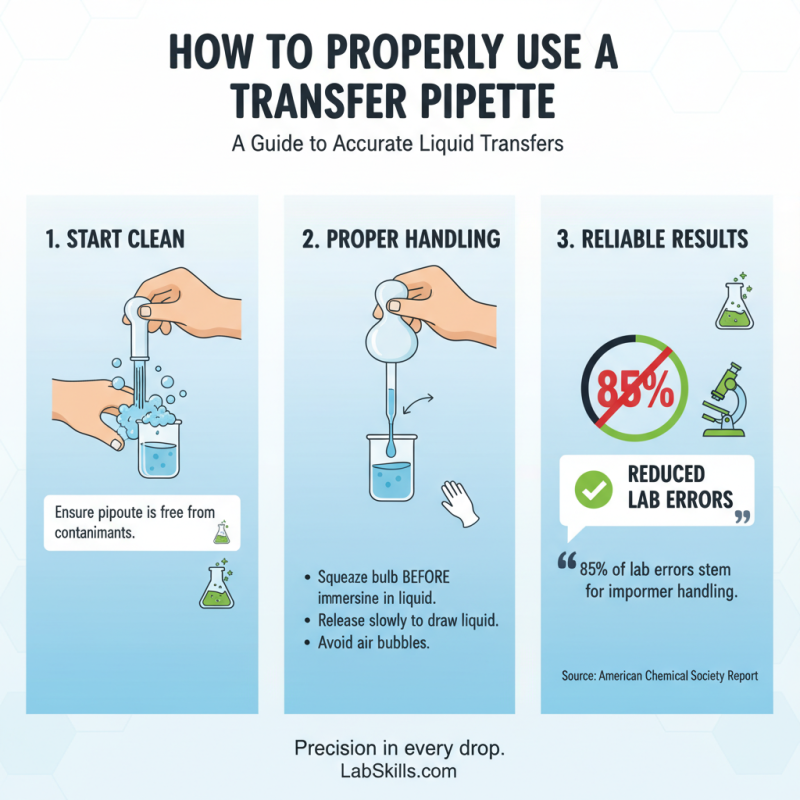
Transfer pipettes are essential tools in laboratory settings for precise liquid transfers. Proper usage is key to obtaining reliable results. When using a transfer pipette, one should always ensure that the pipette is clean and free from contaminants. According to a report from the American Chemical Society, 85% of lab errors stem from improper handling of equipment.
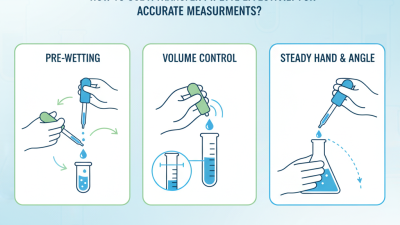
Hold the pipette vertically to fill it correctly. Instead of submerging the bulb deeply, gently dip the tip into the liquid. This technique minimizes air bubbles, which can alter measurements. After drawing the liquid, wait briefly before removing the pipette from the solution. This allows for any remaining drops to fall back into the container.
**Tip:** Practice drawing and releasing liquid with a few trials. Understanding the resistance of the bulb can enhance your technique. Monitor your liquid’s viscosity. Thicker liquids may require specific handling to avoid inaccuracies.
Remember, not all liquid transfers will go as planned. You might accidentally overfill the pipette or introduce contaminants. Regular reflection on your technique will improve your precision and accuracy. Documenting your attempts can help identify patterns in mistakes, allowing for better control in future experiments.
Applications of Transfer Pipettes in Scientific Research
Transfer pipettes are essential tools in laboratories, primarily used for transferring liquids. They offer precision and reliability in various scientific applications. For example, in biological studies, transfer pipettes facilitate the handling of small volumes of reagents or samples. According to the National Institute of Health, accurate pipetting is crucial as even small errors can lead to flawed results.
In the field of chemistry, transfer pipettes help in mixing solutions effectively. Their design enables scientists to control liquid flow, ensuring optimal mixing without contamination. A report by the American Chemical Society highlighted that improper transfer methods could introduce significant variances in experimental outcomes. Thus, using transfer pipettes can enhance reliability in data collection.
**Tip:** Always ensure transfer pipettes are clean. Contamination can skew results. It is advisable to practice good laboratory hygiene regularly, especially when working with sensitive reagents.
The usage of transfer pipettes extends to educational environments as well. For students in chemistry and biology labs, mastering pipette techniques is vital for their training. A study indicated that hands-on training improves students' confidence in lab work, fostering a better understanding of fundamental scientific concepts.
**Tip:** Encourage students to repeat pipetting exercises. Repetition builds muscle memory and minimizes errors. Even experienced users can benefit from revisiting these foundational skills.
What is a Transfer Pipette and How is it Used in Laboratories - Applications of Transfer Pipettes in Scientific Research
| Dimension |
Description |
| Type |
Single-channel or multi-channel |
| Material |
Plastic or glass |
| Volume Capacity |
Typically ranges from 1 µL to 100 mL |
| Usage |
Transferring liquids, sample preparation, and dilution |
| Applications |
Biotechnology, pharmaceuticals, microbiology, and chemistry |
| Benefits |
Precision, ease of use, and cost-effectiveness |
| Cleaning |
Can be autoclaved if made of glass; disposable options available |
Maintenance and Care for Transfer Pipettes
Transfer pipettes are essential tools in laboratories, allowing precise liquid handling. To ensure accuracy and longevity, proper maintenance and care are crucial. Regular inspection is vital. Check for cracks or wear. Damaged pipettes can lead to measurement errors.
Cleaning is another critical aspect. Use appropriate cleaning solutions based on your liquids. Never use abrasive materials that could scratch the surface. Rinse thoroughly after every use. This practice prevents cross-contamination and maintains the integrity of future samples.
Tips for better care include storing pipettes in a dedicated area. Avoid stacking them to prevent breakage. Additionally, calibrate regularly to ensure accuracy. Small deviations can lead to significant impacts in experiments. By paying attention to these details, you can enhance the reliability of your transfer pipettes. Remember, consistent care leads to more accurate results in your research.
Usage and Maintenance Statistics of Transfer Pipettes in Laboratories
This chart illustrates the frequency of various usage and maintenance activities associated with transfer pipettes in laboratories. Daily use is significantly higher than other activities, showcasing the importance of regular maintenance to ensure accuracy and reliability.