China Top 10 Dense Load FIBC Suppliers
Dense Load FIBC packaging is becoming a practical choice for manufacturers handling heavy, compact, and high-density materials. These flexible bulk containers must manage more than weight. They must control pressure, protect lifting loops, and remain stable during filling, storage, and transport.
This guide examines China’s top 10 Dense Load FIBC suppliers through a practical purchasing lens. It considers manufacturing experience, fabric strength, safety factors, stitching quality, testing procedures, customization, and export reliability. Factory audits, product samples, and technical documentation matter more than polished websites. Sometimes, a simple sewing detail reveals more than a long brochure.
FIBC packaging consultant David Walsh once noted, “A reliable bulk bag begins with matching the design to the actual load and handling conditions.” That principle remains useful. A bag designed for 1,500 kilograms may perform poorly if the material settles unevenly or the lifting method changes. Small assumptions can create large problems.
The selected suppliers represent different strengths. Some focus on heavy-duty construction. Others provide cleanroom, coated, conductive, or specially shaped bags. Their capabilities may also vary by order volume, lead time, inspection standards, and communication speed.
This is not a perfect ranking. Supplier performance can change, and published specifications need verification. Buyers should request test reports, production samples, and clear load requirements before placing an order. Dense Load FIBC selection is not only about price. It is about predictable handling, measurable safety, and fewer surprises on the warehouse floor.
What Are Dense Load FIBCs and How Are They Used?
China Top 10 Dense Load FIBC Suppliers
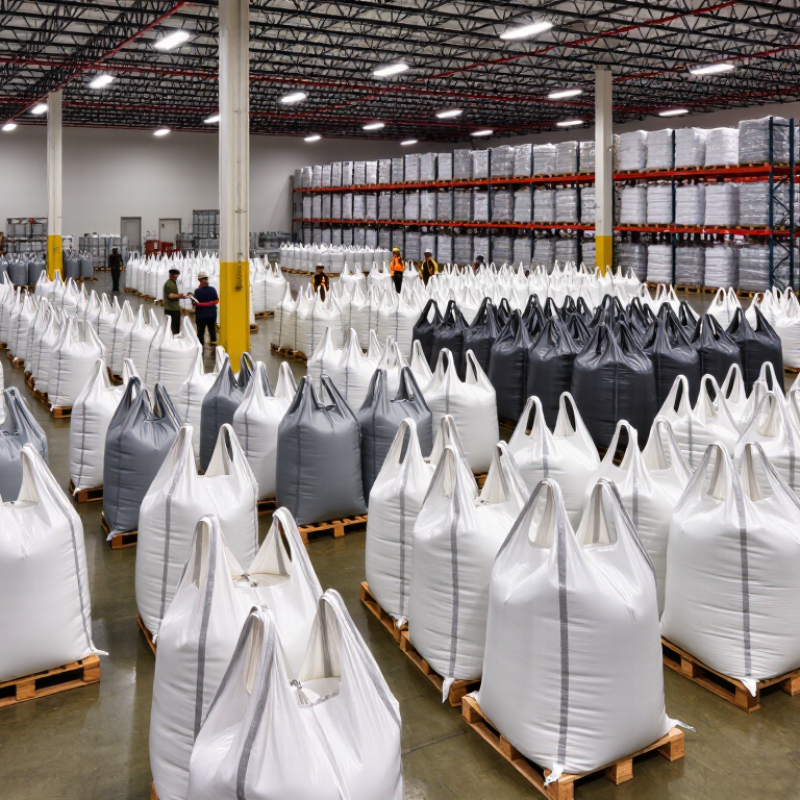
Dense load FIBCs are flexible bulk containers designed for heavy, compact materials. They usually carry powders, minerals, grains, pellets, or construction products. Their woven polypropylene fabric, reinforced seams, and lifting loops support demanding filling and handling conditions. A dense load bag is not simply a larger standard bulk bag. Its safe working load, fabric strength, dimensions, and discharge design must match the product and equipment.
In practical warehouse use, operators fill these bags with forklifts, hoists, or automated systems. The filled container may rest on pallets or move directly by lifting loops. Proper weight distribution matters. A narrow, tall bag can become unstable during transport. Venting may also matter when fine powder enters quickly. Liners can help protect moisture-sensitive contents, but they may change filling speed and static behavior. Site experience often reveals details that product sheets miss. I have seen small handling assumptions create large safety concerns.
Tips: Check the safe working load and safety factor before purchase. Inspect loops, seams, and the bottom discharge area. Confirm bag dimensions against pallet and warehouse clearances. Ask for test reports and production traceability. If the material behaves unexpectedly, stop and review the specification. That extra review can feel unnecessary, but it often prevents repeat failures.
China Top 10 Dense Load FIBC Suppliers – What Are Dense Load FIBCs and How Are They Used?
Dense-load FIBCs are flexible intermediate bulk containers designed for heavy, high-density materials such as minerals, cement, sand, chemicals and industrial powders. The chart below shows the calculated filled mass for common FIBC volumes at a representative bulk density of 1.5 tonnes per cubic metre. Actual safe working load must always be confirmed from the container specification, lifting design and application requirements.
Calculation basis: filled mass = nominal volume × bulk density. At 1.5 t/m³, a 1 m³ FIBC contains approximately 1,500 kg of material. Dense-load FIBCs are commonly used for transportation, storage and controlled discharge of heavy bulk products.
Key Criteria for Evaluating Chinese Dense Load FIBC Suppliers
When comparing Chinese dense-load FIBC suppliers, the first question is not price. It is whether the bag survives the stated working load repeatedly. Request test records for fabric tensile strength, seam strength, lifting loops, and discharge points. The documents should show test dates, batch numbers, methods, and tested safe working loads. A sample bag should match those records. Small differences matter.
Inspect the factory process, not only the sales office. A capable supplier can explain yarn denier, fabric weight, coating thickness, liner fit, and stitching controls in practical terms. Ask how operators check loop alignment and seam density during production.
Photographs help, but an independent factory audit gives stronger evidence. Review calibration records for weighing scales and tensile equipment. If every answer sounds perfect, ask again. Real production includes rejected bags, corrective actions, and occasional delays. Honest reporting is useful.
Reliability also depends on communication after the order leaves China. Confirm lead times, inspection points, packaging details, and shipment traceability. A supplier should respond clearly when a bag fails inspection, rather than blaming handling immediately. Check whether specifications remain stable across repeat orders. This is often overlooked. Compare samples from different batches before approving a large order. No evaluation is flawless; machinery changes, weather, and subcontracting can alter results. That uncertainty deserves a written control plan.
China’s Top 10 Dense Load FIBC Suppliers
China’s Top 10 Dense Load FIBC Suppliers are often judged by more than production scale. Dense load bags handle compact, heavy materials such as minerals, powders, and construction compounds. Their fabric must resist stretching, tearing, and sudden impact during lifting. In factory evaluations, buyers should inspect sewing quality, corner loops, and discharge spouts closely. Small stitching defects can become serious under a full load.
Reliable suppliers usually provide clear specifications for safe working load, safety factor, dimensions, and fabric weight. They may also offer coated fabric, inner liners, sift-proof seams, or customized inlet designs. Ask for batch records and test reports from recognized laboratories. Traceability matters when bags move through multiple warehouses. A useful supplier should explain its inspection process, not only present attractive product photos. Production capacity is important, but consistent quality matters more.
The strongest candidates among China’s top ten should support sample testing before a large order. Fill a sample bag with the intended material and observe handling, stacking, and discharge performance. Do not assume every “heavy-duty” claim means the same thing. Some suppliers communicate well before payment but respond slowly after delivery. That risk deserves attention. Specifications can also change quietly between batches, especially when materials are substituted. I would recheck fabric weight and loop strength each time. No supplier is flawless. Even a capable factory may need clearer documentation or tighter final inspection. Verify current certifications, export experience, and packaging conditions before selecting a long-term partner.
Product Quality, Certifications, and Manufacturing Capabilities
When evaluating China’s top 10 dense load FIBC suppliers, product quality should come before price. Experienced manufacturers use controlled polypropylene tapes, stable weaving tension, and reinforced corner seams. These details help bags withstand heavy filling, lifting, transport, and repeated handling. A reliable supplier should provide working load data, safety factors, test reports, and clear production records.
Certifications also require careful checking. ISO 9001 can show an organized quality system, but it does not prove every bag is suitable for every application. Ask whether testing covers seam strength, top-lift performance, UV exposure, and static control. For regulated uses, confirm relevant food-contact or hazardous-material certifications through valid documents. Certificates can expire. Documents can also describe a different product.
Tips: Request a recent sample, not only a brochure. Compare fabric weight, stitching density, liner fit, and lifting loops. Ask for batch traceability and an independent test report when loads are critical.
Manufacturing capability separates strong suppliers from basic converters. Look for in-house fabric extrusion, circular weaving, coating, cutting, sewing, inspection, and packing control. Automated looms may improve consistency, while skilled sewing teams still matter around handles and discharge spouts. Factory audits should examine clean storage, calibration records, worker training, and rejected-bag handling. No supplier is perfect. Even a capable factory may show occasional variation, so approval samples and ongoing inspections remain necessary.
How to Select the Right Dense Load FIBC Supplier in China
Selecting a dense load FIBC supplier in China requires more than comparing unit prices. Grand View Research estimates the global FIBC market will grow at about 6.1% annually through 2030. That growth attracts capable factories and careless imitators. Start with the load. Share the material density, filling method, discharge design, stacking height, and transport route. A supplier should recommend the correct safe working load, fabric strength, seam construction, and safety factor. ISO 21898 provides a useful baseline for FIBC performance and testing.
Ask for evidence. Request recent batch test reports, raw-material traceability, production photos, and samples from normal manufacturing, not a special showroom lot. During supplier audits, inspect cutting accuracy, sewing tension, liner sealing, and contamination controls. The details matter. A powder-filled bag should not leak from a weak corner seam. A heavy granule load may need stronger lifting loops and a tested discharge spout. Confirm whether testing covers drop, top-lift, stacking, and UV exposure when relevant. Market reports often highlight capacity, but capacity alone does not prove consistency. I have seen attractive samples fail after repeated handling. That uncomfortable possibility deserves attention. Select a supplier willing to discuss defects, corrective actions, inspection frequency, and replacement terms in writing. A small pilot order can reveal more than a polished presentation.