Top 10 Centrifugal Spray Drying Equipment Suppliers
Selecting reliable equipment for Centrifugal Spray Drying requires more than comparing brochures or advertised production rates. The right supplier must understand feed viscosity, solids content, heat sensitivity, particle-size targets, and cleaning requirements. These details shape every result. A poorly matched atomizer can produce wall deposits, uneven powder, or unnecessary energy use. Small design choices matter.
Professor Arun S. Mujumdar, a leading drying-technology researcher, has observed, “Drying is one of the most energy-intensive operations in the process industries.” This reminder gives the market comparison practical direction. A capable centrifugal spray drying supplier should explain thermal efficiency, air-distribution control, atomizer stability, and powder recovery with measurable evidence. Site references help. So do pilot trials, service records, spare-parts access, and documented commissioning procedures. For food, pharmaceutical, chemical, and advanced-material applications, hygienic construction and process validation deserve equal attention. Compliance should never be treated as a sales footnote.
This Top 10 Centrifugal Spray Drying Equipment Suppliers guide compares manufacturers through those operational lenses. It considers engineering experience, customization capability, automation, lifecycle support, and transparent technical documentation. The ranking is not universal. Production scale, regional service, and product sensitivity can change the best choice. That is worth admitting. A supplier that performs well for dairy powder may not suit a heat-sensitive pharmaceutical formulation. Readers should verify current specifications, test results, and installation references before making a purchase. Reliable decisions begin with evidence, not attractive machinery photographs.
Centrifugal Spray Drying Equipment: Function and Industrial Applications
Top 10 Centrifugal Spray Drying Equipment Suppliers
Centrifugal Spray Drying Equipment: Function and Industrial Applications
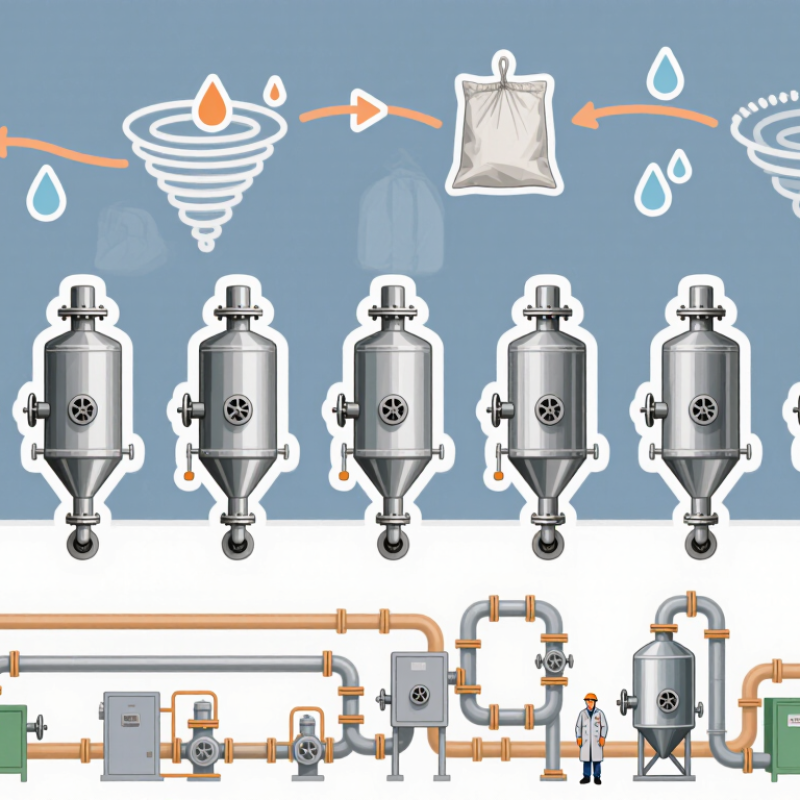
Centrifugal spray drying equipment converts liquid feed into powder through rapid atomization and controlled hot-air contact. A rotating disc breaks the feed into fine droplets. Heated air then removes moisture within seconds. The dried particles leave the chamber through a cyclone or filtration system. Particle size depends on disc speed, feed viscosity, air temperature, and liquid flow rate.
In dairy plants, this method produces milk powder, whey powder, and nutritional ingredients. Food processors also use it for flavorings, plant extracts, and powdered beverages. Pharmaceutical manufacturers apply spray drying to selected formulations requiring controlled moisture and improved handling. Ceramic producers can create more uniform granules for pressing. Each application needs different settings.
Small adjustments matter. Higher disc speed may create finer particles, but it can increase wall deposits. Excessive inlet temperature may damage heat-sensitive ingredients. Operators should monitor outlet temperature, powder moisture, bulk density, and chamber pressure. In practical plant trials, the first batch is rarely perfect. Feed concentration may drift. Cleaning time can also exceed the original estimate. Equipment selection should consider hygienic design, heat recovery, automation, maintenance access, and verified testing data. Supplier claims deserve careful comparison.
Key Criteria for Evaluating Spray Dryer Suppliers
Choosing centrifugal spray drying equipment requires more than comparing catalog capacity. Evaluate suppliers through process evidence, engineering depth, and dependable support. Ask whether each dryer matches your feed viscosity, solids content, heat sensitivity, and target powder moisture. A supplier should explain atomizer speed, inlet temperature, outlet control, and residence time clearly. Request pilot trials using a representative feed, not a convenient substitute.
Inspect the powder under realistic conditions. Check particle size, bulk density, flowability, yield, and cleaning time. Reliable suppliers provide recorded data, calibrated instruments, and traceable test methods. Experience matters when sticky feeds cause chamber deposits or unstable operation. Ask for documented case histories, operator training, spare-parts availability, and response times. Vague promises are warning signs. Technical documentation should cover materials, safety controls, maintenance intervals, and applicable standards. Do not judge energy performance from one brochure figure. Compare complete operating conditions and confirm how results were measured.
Tips: Build a weighted scorecard before contacting suppliers. Give process fit, trial evidence, service, documentation, and ownership cost separate scores. Keep room for uncertainty. Real trial results should outweigh polished presentations. I would also question my own assumptions. A familiar dryer may not suit every powder or production scale. A technically strong supplier may still communicate poorly, and that weakness can become expensive during commissioning.
Top 10 Centrifugal Spray Drying Equipment Suppliers
Key Criteria for Evaluating Spray Dryer Suppliers
This 100-point evaluation framework prioritizes drying performance, product quality, capacity, and energy efficiency. Buyers can use these criteria to compare centrifugal spray dryer suppliers without relying only on price or equipment size.
Profiles of the Top 10 Centrifugal Spray Dryer Equipment Suppliers
Top 10 Centrifugal Spray Drying Equipment Suppliers
Supplier One focuses on compact pilot units for laboratories. Its systems support small batches and quick formulation changes.
Supplier Two serves dairy processors with stainless steel chambers and gentle powder handling.
Supplier Three specializes in pharmaceutical-grade designs, with documented cleaning procedures and controlled airflow.
Supplier Four develops high-capacity systems for continuous production. Its engineers often optimize atomizer speed, inlet temperature, and outlet moisture together.
Supplier Five supplies modular dryers for food ingredients and plant proteins. Its test equipment helps verify particle size before purchase.
Supplier Six emphasizes energy efficiency through heat recovery and intelligent air control.
Supplier Seven builds corrosion-resistant systems for acidic materials.
Supplier Eight provides custom integration, including conveyors, cyclones, filters, and powder cooling.
Supplier Nine is known for service support in remote factories. Spare atomizer parts can reduce costly production delays.
Supplier Ten offers engineering for specialized research applications, where flexible operating ranges matter most.
These profiles reflect supplier capabilities, not simple rankings. Field experience remains important. A well-designed chamber can still perform poorly without trained operators and stable feed preparation.
Buyers should inspect test reports, installation records, maintenance access, and actual powder samples. Some suppliers promise impressive energy savings, but those figures may depend on ideal conditions. That deserves careful questioning. I would also request a supervised trial using the intended formulation, because laboratory results sometimes fail during full-scale production.
Comparison of Technologies, Capacities, and Customization Options
When comparing the top 10 centrifugal spray drying equipment suppliers, technology choice matters more than catalog size. Centrifugal atomizers use a rotating disc to create fine droplets and support stable drying. They often suit milk powders, plant extracts, ceramics, and other heat-sensitive materials. Disc speed may reach 8,000–20,000 rpm, depending on feed properties and target particle size.
Capacity should be compared in evaporation rate, not only powder output. Small pilot units may process 1–10 kg of water per hour. Industrial systems can remove several hundred kilograms hourly. A supplier should provide tested data for feed solids, inlet temperature, outlet temperature, and final moisture. Without these details, capacity claims can sound impressive but remain difficult to verify. That is a common weakness.
Customization separates a useful system from an oversized one. Options may include chamber diameter, atomizer design, air distribution, cyclone recovery, bag filtration, and automated cleaning. Hygienic applications may require stainless steel contact parts and controlled cleaning cycles. Some plants also need gentle powder handling to reduce wall deposits and thermal stress. In my view, factory trials are essential. Laboratory results can mislead. A powder that flows well in a test chamber may still bridge inside a full-scale hopper. Suppliers with transparent testing records, documented controls, and responsive engineering support deserve closer consideration.
How to Select the Right Centrifugal Spray Drying Equipment Supplier
Top 10 Centrifugal Spray Drying Equipment Suppliers
Selecting the right centrifugal spray drying equipment supplier requires more than comparing prices. Experience with your feed material matters greatly. Milk, botanical extracts, and heat-sensitive enzymes behave differently inside the drying chamber. Ask for test data using your actual formulation. Request inlet temperature, outlet temperature, moisture level, yield, and particle-size results. A supplier should explain these figures clearly.
The global spray drying equipment market was valued at approximately USD 5.3 billion in 2023, according to Fortune Business Insights’ 2024 market report. This growth increases supplier choice, but quality varies. Check whether the supplier provides pilot testing, installation support, operator training, and spare parts locally. Review documented performance from similar applications. A polished brochure is not proof. Energy use also deserves attention. The U.S. Department of Energy identifies process heating as a major industrial energy demand, so ask for measured energy consumption per kilogram of evaporated water.
Tips: Compare total ownership cost, not only purchase price. Inspect the atomizer, air filters, control system, and cleaning access. Confirm material certificates and validation records. Ask how quickly critical parts can arrive. I would also request a factory acceptance test, although these tests sometimes reveal problems late. That is still useful. No supplier gets every detail right. A transparent supplier records deviations and corrects them before shipment. Check references yourself, preferably from facilities with similar capacity, feed composition, and production targets.