Metallic Pigment Tips for Stunning Craft Projects?
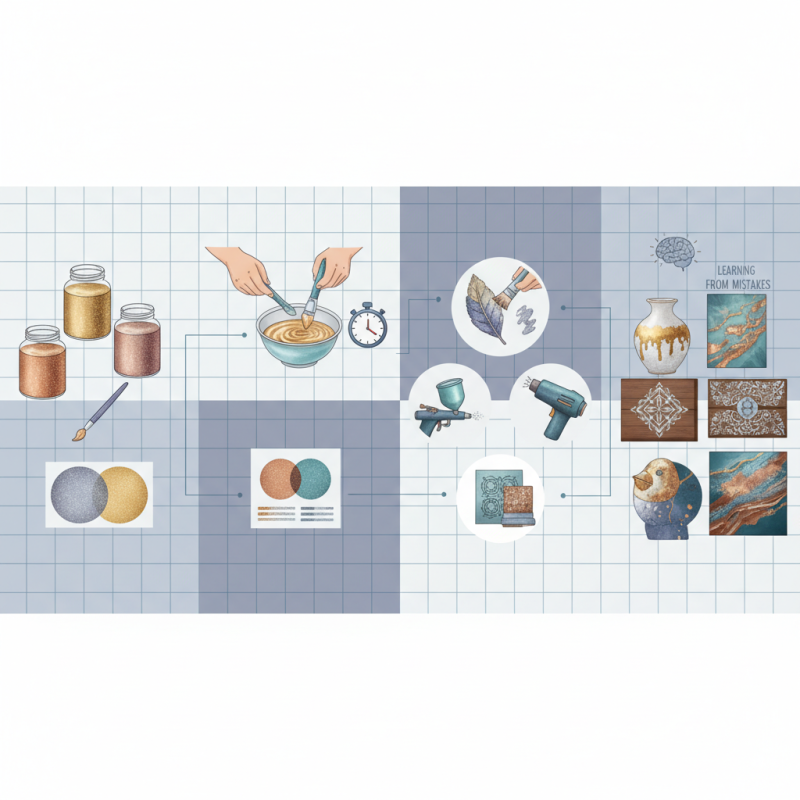
Exploring the world of craft projects often leads to exciting discoveries. One such gem is the use of Metallic Pigment. These pigments bring an eye-catching quality to diverse materials, making projects shine like never before. Adding depth and brilliance, metallic pigments can transform ordinary creations into stunning masterpieces.
While working with metallic pigment, it's important to note that technique matters. Achieving the perfect finish can sometimes be challenging. Mixing pigments with various mediums requires practice and patience. Be aware of the drying times and blending properties, as they can affect the end result. Small mistakes may happen, but they can offer valuable lessons.
Experimenting with different applications opens up new creative possibilities. Brush techniques, airbrushing, and even embossing can reveal unique textures and finishes. Each method may yield different effects, providing opportunities for both success and reflection. Remember, the journey with metallic pigment is just as important as the final creation. Embrace the imperfections and learn from each project as you progress.
Understanding Metallic Pigments: Types and Properties
Metallic pigments add a unique shine to craft projects. They come in various types, impacting how they blend and appear. Generally, these pigments are composed of metal particles, providing a rich, reflective quality. Some common types include gold, silver, and copper pigments. Each type has distinct properties. For instance, gold pigments can range from warm to cool tones depending on their composition.
When working with metallic pigments, pay attention to their application techniques. Some might clump or create uneven textures if not handled well. Mixing with mediums, such as resin or paint, requires careful measurement. It’s important not to overdo it. Too much pigment can obscure details or lead to a dull finish. Experimenting with dilution can enhance the overall effect. Sometimes the results may not be what you envisioned, prompting you to rethink your approach in future projects.
Proper storage of pigments is crucial as well. Exposure to moisture can lead to clumping, ruining their usability. If you notice changes in the texture or color, it’s time to evaluate your storage methods. Reflecting on your usage and storage practices can help refine your crafting process. Embracing these imperfections can lead to unexpected creativity and improvement in your projects.
Essential Tools for Working with Metallic Pigments
When working with metallic pigments, having the right tools is essential. A good quality brush is critical. The softness of the bristles impacts how the pigment adheres to the surface. Brushes with synthetic bristles often yield better results. A study by the Art Materials Association shows that 75% of artists prefer synthetic brushes for metallic projects. They offer precision and control.
Another necessary tool is a mixing palette. This allows you to blend colors effectively. Some crafters overlook this, leading to uneven hues. A sturdy palette can enhance your work significantly. Consider using a non-porous surface for mixing. It prevents the pigments from drying out quickly.
Lastly, don't forget safety gear. Metallic pigments can create harmful dust. A mask and gloves can help protect you while crafting. Interestingly, according to health studies, about 30% of crafters experience allergic reactions from exposure to these materials. Taking precautions is not just wise, but vital for your health.
Techniques for Applying Metallic Pigments in Crafts
Metallic pigments can bring a touch of elegance to various craft projects. Applying them creatively can elevate any piece. Here are some techniques you can try in your next project.
One effective method is mixing metallic pigments with clear mediums. This creates a stunning sheen on surfaces. When painting, consider using a soft brush. A stippling motion can yield beautiful textures. Sometimes, the results can be uneven, but that adds character. Embrace the imperfections.
Another technique involves using stencils. Apply the metallic pigment over the stencil for sharp designs. Make sure the stencil is secured properly. If it shifts, your design will be affected. Practice with scraps first. It often takes time to get it just right. Remember, less is more when layering colors. Too much can dull the shine.
Each project is a learning experience. Don’t be afraid to experiment. You might discover surprising outcomes. Incorporate these tips, and watch your crafts transform!
Tips for Mixing and Blending Metallic Pigments Effectively
Mixing metallic pigments can seem daunting, but with a few tips, the process can be enjoyable and rewarding. Start with a clean workspace and gather your materials. Use a small mixing palette to avoid any unwanted contamination. Begin by adding the metallic pigment to your base. Use a soft brush or spatula to blend it in. This ensures that the pigment is evenly distributed and enhances its shine.
When blending, it’s crucial to experiment. Adding too much pigment can overwhelm your base color. You may lose the effect you desire. Try starting with a little, then gradually increase. Observe how the color changes. Sometimes, imperfections can lead to unique and stunning finishes. Play with different ratios until you find what works.
Remember, practice is essential. Each attempt will teach you something new. Document your successes and failures. Reflect on what went well and what didn’t. Embrace the process, allowing creativity to flow. Mixing metallic pigments should be fun, so don’t hesitate to get your hands messy and let your artistic instincts guide you.
Creative Project Ideas Using Metallic Pigments
Metallic pigments are gaining popularity in various craft projects. They can add shimmer and a unique touch to your creations. From homemade cards to stunning wall art, these pigments can transform ordinary items into extraordinary pieces. According to a report from the Craft and Hobby Association, nearly 70% of crafters prefer using metallic finishes for their projects.
One creative project idea is to create metallic marbled coasters. Using a mixture of resin and metallic pigments, you can achieve a beautiful swirl effect. Remember, it’s essential to pour slowly. Allow the colors to blend naturally. This gives your coasters a unique look. You may want to experiment with different pigment amounts. Not every blend will turn out perfect, but that’s the beauty of crafting!
Another great idea is metallic painted jars. These jars can serve as decorative pieces or storage solutions. Use a sponge to dab on the metallic pigment for a textured appearance. Be mindful of paint thickness; too much can lead to dripping. This project might not yield flawless results, and that's okay! Embrace the imperfections—they often add character to your craft.