What is Hydroxypropyl Methyl Cellulose HPMC and Its Uses?
Hydroxypropyl Methyl Cellulose (HPMC) is gaining attention across various industries for its versatile applications. This cellulose ether is widely used in construction, pharmaceuticals, and food products. According to an industry report by Grand View Research, the global HPMC market was valued at approximately USD 1.1 billion in 2020 and is expected to grow significantly, driven by increasing demand in the construction and personal care sectors.
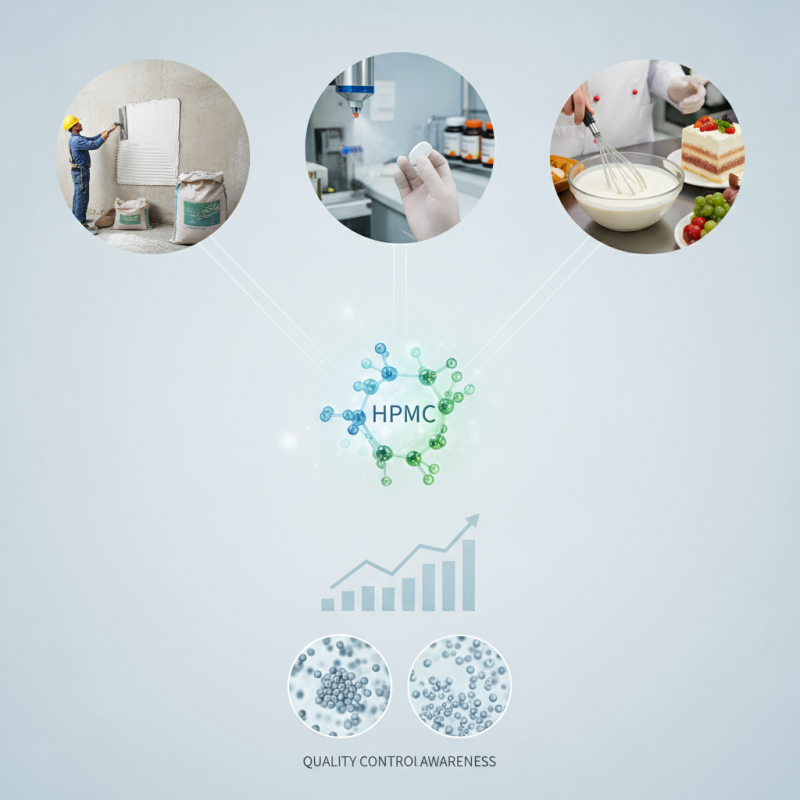
In the construction industry, HPMC serves as a vital additive in tile adhesives and cement formulations. It enhances workability, improves water retention, and extends the open time of products. The pharmaceutical sector utilizes HPMC as a binder and coating agent in tablet production. Its non-toxic nature makes it suitable for use in dietary supplements and other health-related products. However, recent studies indicate a need for awareness regarding quality control and the sourcing of HPMC, as the market can be flooded with low-quality alternatives.
HPMC is essential, yet it may not always be recognized for its role. Its properties are key to achieving the desired consistency and stability in varied applications. More research is required to address quality issues and educate users about selecting the right grades. Understanding the full potential of Hydroxypropyl Methyl Cellulose is crucial for industries wishing to innovate and improve product performance.
What is Hydroxypropyl Methyl Cellulose (HPMC)?
Hydroxypropyl Methyl Cellulose (HPMC) is a non-ionic, water-soluble cellulose ether. It is derived from natural cellulose. This compound is often used in various industries, including construction, pharmaceuticals, and food. According to a market research report by Grand View Research, the global demand for HPMC is projected to grow significantly. The compound's versatile properties contribute to its wide applicability.
In construction, HPMC acts as a thickener and improves water retention in mortars and plasters. In pharmaceuticals, it serves as a binder and coating agent for tablets. Furthermore, in the food industry, HPMC functions as a stabilizer and emulsifier. A report by MarketsandMarkets highlights HPMC's growing importance in the food sector. Its plant-based nature aligns with the rising demand for vegetarian and vegan products.
Yet, the manufacturing process concerning the sustainability of HPMC reveals challenges. The process involves chemical modifications that might not appeal to all consumers. Researchers often ponder the environmental impact of such modifications. These concerns warrant discussions about sourcing and production ethics, which remain critical in advancing HPMC's use across industries while ensuring environmental responsibility.
Chemical Structure and Properties of HPMC
Hydroxypropyl Methyl Cellulose (HPMC) is a cellulose derivative known for its unique chemical structure. It is created by chemically modifying cellulose, which is sourced from natural wood or cotton. This modification introduces hydroxypropyl and methyl groups into the cellulose structure. These alterations enhance the solubility and thickness of HPMC. As a result, it becomes a valuable ingredient in various industries.
HPMC exhibits excellent film-forming properties, making it crucial in the construction and food sectors. According to a recent industry report, the demand for HPMC in the construction sector is projected to grow at a CAGR of 5.2% from 2021 to 2026. Its ability to retain water and improve the workability of cement-based materials is highly regarded. Additionally, in food applications, HPMC is used as a thickener and stabilizer. It can significantly enhance product texture without adding calories or allergens.
Tip: Always check the purity of HPMC when sourcing for specific applications. The quality directly affects the performance of the final product.
Despite its advantages, the use of HPMC is not without challenges. The variation in viscosity and gelling behavior can lead to inconsistencies. Manufacturers must carefully select the right grade of HPMC for their processes. Understanding the nuances of its properties is essential to maximizing its benefits in applications.
Tip: Conduct thorough trials with different grades of HPMC to find the optimal solution for your needs.
What is Hydroxypropyl Methyl Cellulose HPMC and Its Uses? - Chemical Structure and Properties of HPMC
| Property | Description |
| Chemical Formula | C 25 H 52 O 12 |
| Molecular Weight | Approximately 40000 g/mol |
| Appearance | White to off-white powder |
| Solubility | Soluble in cold water; insoluble in organic solvents |
| Viscosity | Varies with concentration and grade |
| Applications | Used in pharmaceuticals, food products, construction, and cosmetics |
| Functionality | Thickening agent, binder, film-forming agent |
| Regulatory Status | Generally recognized as safe (GRAS) |
Common Applications of HPMC in Various Industries
Hydroxypropyl Methyl Cellulose (HPMC) is a versatile polymer. Its properties make it valuable in many industries. HPMC is often used as a thickening agent in food products. It improves texture and can enhance mouthfeel. In the construction industry, it acts as a water-retention agent in mortar and concrete. This effect helps in better bonding and extends the working time.
In pharmaceuticals, HPMC is commonly used in tablet formulations. It serves as a binder and disintegrant, ensuring consistent release of medication. In cosmetics, HPMC provides stability to lotions and creams. It enhances viscosity and helps in product application. Despite its benefits, the use of HPMC is not without challenges. Sourcing high-quality raw materials can be difficult. Moreover, ensuring a consistent product formulation requires careful attention.
While HPMC is widely accepted, some industries face regulatory concerns. The safety of using certain derivatives can lead to extensive testing. This emphasizes the importance of following guidelines. Overall, HPMC has significant advantages in many fields, but users should approach it with caution and awareness.
Benefits of Using HPMC in Formulations
Hydroxypropyl Methyl Cellulose (HPMC) is a versatile ingredient widely used in various formulations. Its unique properties make it a preferred choice in many industries, particularly in pharmaceuticals and cosmetics. HPMC acts as a thickener, emulsifier, and stabilizer, enhancing the texture and performance of products.
The benefits of using HPMC are significant. It improves consistency in formulations, helping them maintain quality over time. HPMC has excellent water retention abilities, which is crucial in products like creams and gels. This moisture retention helps prevent skin dryness, making it an ideal ingredient for personal care items. Furthermore, HPMC is non-toxic and biodegradable, aligning with the increasing demand for eco-friendly products.
While its advantages are clear, it’s important to consider potential challenges. HPMC can sometimes lead to texture fluctuations in formulations if not properly measured. It may not dissolve as quickly as desired in some cases. Thus, understanding how to balance HPMC's properties is essential for optimal results. Experimentation and careful formulation are key to harnessing its full potential effectively.
Safety and Regulatory Status of HPMC
Hydroxypropyl Methyl Cellulose (HPMC) is widely used in various industries, but its safety profile is paramount. As a non-ionic cellulose ether, HPMC is well-regarded for its low toxicity. It holds a Generally Recognized as Safe (GRAS) status in many regions, which supports its use in food applications. However, it’s essential to monitor how individual bodies respond to this compound. Though HPMC is deemed safe for public consumption, potential allergic reactions or sensitivities can arise in certain individuals.
Regulatory agencies continuously evaluate HPMC for various applications. The Federal Food and Drug Administration (FDA) and other bodies have established guidelines for acceptable daily intake. Nonetheless, the varying quality and source of HPMC raise concerns about impurities. Not all HPMC is created equal, and some products may contain additives that could pose risks. Hence, it's crucial to source HPMC from credible suppliers to ensure safety and compliance with regulatory standards.
While HPMC is extensively used in pharmaceuticals, cosmetics, and food products, users must remain vigilant. Staying informed about potential side effects and variations in product quality is essential. Engaging with regulatory updates can enhance understanding and safety when using HPMC. Each individual’s experience can differ, and cautious use will benefit overall health and safety.