
Customer Service

China Best pH Meter Supplier How to Choose?

Choosing a reliable China Best pH Meter Supplier requires more than comparing online prices. A dependable supplier should understand your testing environment, sample type, accuracy requirements, and purchasing volume. A laboratory measuring drinking water needs different performance from a factory checking plating baths or soil extracts. The right Ph Meter should deliver stable readings, simple calibration, and practical maintenance support.

This guide explores how to evaluate Chinese manufacturers through product quality, technical experience, and service reliability. Look for suppliers that explain electrode materials, measurement ranges, temperature compensation, and calibration procedures clearly. Ask for test reports, quality certifications, warranty terms, and sample units before placing a large order. A serious supplier should also provide replacement electrodes, operating instructions, and responsive technical communication. These details matter when a reading changes by only 0.02 pH.

Factory experience is valuable, but it should be verified. Review production facilities, inspection procedures, customer feedback, and export history where possible. Direct communication can reveal whether a supplier understands your application or simply copies a standard quotation. No supplier is perfect. Some companies may offer excellent instruments but limited after-sales support. Others may provide fast service while lacking advanced customization. That difference is easy to miss.

The following sections will help buyers compare suppliers with greater confidence. They will also examine calibration stability, sensor life, software functions, packaging, lead times, and total ownership costs. A low purchase price may become expensive when electrodes fail early. Careful questions protect both data quality and budget. This approach supports a more informed, professional, and dependable Ph Meter purchasing decision.
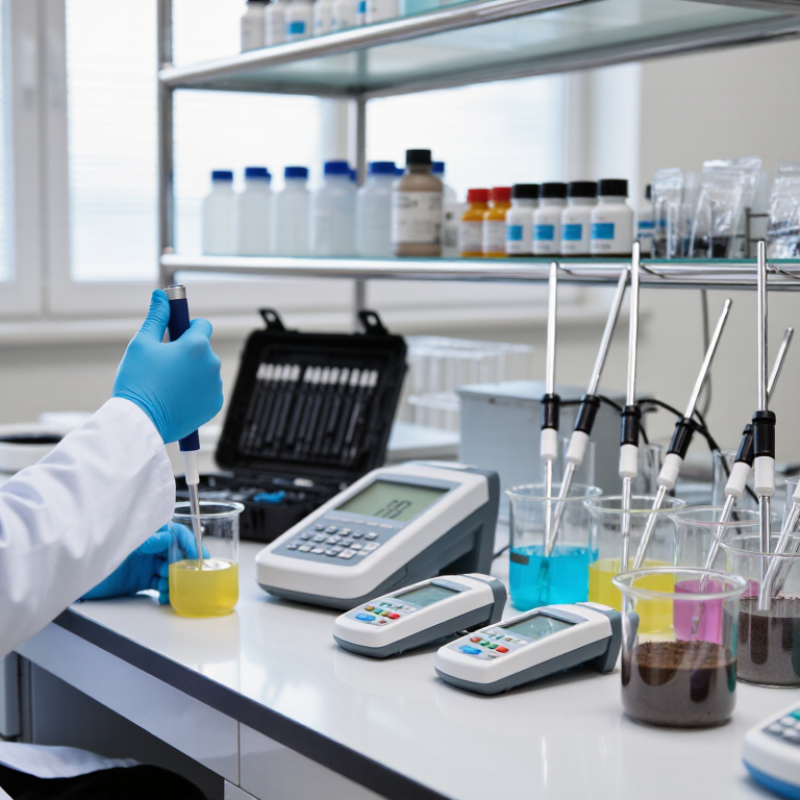
China Best pH Meter Supplier How to Choose?

What Is a pH Meter and Why Does Supplier Quality Matter?

A pH meter is an electronic instrument that measures how acidic or alkaline a liquid is. It usually combines a sensing electrode, reference system, temperature sensor, and digital display. The glass electrode responds to hydrogen-ion activity in the sample. The display looks simple. Accuracy is not automatic. Temperature changes, dirty probes, air bubbles, and weak calibration solutions can shift results. In routine laboratory work, I have seen a stable sample produce different readings after careless rinsing. That small change can affect water testing, food processing, research, or production decisions.

Supplier quality matters because the instrument is only one part of the measurement system. A capable supplier should provide clear specifications, calibration guidance, electrode storage instructions, and practical technical support. Calibration records should identify the standards used and their traceability. Replacement electrodes, warranty conditions, and response times also deserve attention. These details often reveal more than a low purchase price. Cheap equipment can become expensive when readings drift and support is unavailable. Still, supplier claims need checking. Ask for performance data, test the meter with fresh buffer solutions, and compare readings across repeated measurements. I once trusted a convenient specification sheet too quickly. That was a useful mistake. Reliable selection requires evidence, careful handling, and a willingness to question impressive promises.

Which Technical Features Should You Compare When Choosing a Supplier?

When choosing a China pH meter supplier, compare technical performance before comparing price. EPA Method 150.1 uses ±0.1 pH as a practical acceptance criterion for many routine tests. Ask whether the supplier can document accuracy, repeatability, and calibration results under similar conditions. A meter showing 0.01 resolution is not automatically accurate. That difference matters.

Check calibration flexibility, electrode quality, and temperature compensation. A reliable model should support at least two or three calibration points, using traceable buffer solutions. ISO 10523:2012 emphasizes temperature control and proper calibration during pH measurement. Compare automatic temperature compensation ranges, response time, and stability after immersion. For wastewater or food samples, inspect the electrode type, junction design, refill system, and replacement cost. Tiny details matter.

Data handling also deserves attention. Choose suppliers offering calibration reminders, automatic records, USB or wireless transfer, and protected storage. IP ratings should match real working conditions, especially near washdown areas. Request sample certificates, uncertainty statements, and factory inspection records. NIST guidance stresses measurement traceability, yet many quotations mention only “high precision.” That wording is weak. I would also test after-sales support with a difficult question before ordering. Slow replies reveal practical risk. One overlooked issue remains electrode storage; poor storage can ruin a good meter quickly.

How Can You Evaluate pH Meter Accuracy, Durability, and Ease of Use?

Choosing a pH meter supplier requires more than comparing advertised resolution. Accuracy should be verified against traceable buffers. NIST reference materials report uncertainties in hundredths of a pH unit, but performance depends on temperature, electrode condition, and handling. EPA Method 150.1 recommends calibration with at least two buffers that bracket the expected sample range. A meter showing 0.001 pH resolution is not automatically accurate.

Test repeatability in real conditions. Measure the same sample five times after gentle stirring. Record drift, stabilization time, and the difference from a certified reference buffer. ISO 10523:2012 emphasizes controlled temperature and documented measurement procedures. Do not ignore slope data. A healthy electrode commonly operates near the theoretical 59.16 mV per pH unit at 25°C. However, dirty samples can reduce response quickly. Small details matter.

Durability needs physical evidence. Under IEC 60529, an IP67 enclosure is dust-tight and supports temporary immersion up to one meter for 30 minutes. That rating does not prove chemical resistance or electrode lifespan. Check replaceable probes, cable strain relief, storage protection, and resistance to repeated cleaning. Ease of use is practical, not cosmetic. Automatic temperature compensation helps, but it cannot correct poor calibration. In field trials, count button presses and setup errors. A perfect workflow is unlikely. Choose the supplier that publishes calibration records, service procedures, uncertainty information, and realistic limitations. Reliable support often matters more than a brighter screen.

What Manufacturing and Quality Certifications Should Suppliers Have?

When choosing a pH meter supplier, examine manufacturing and quality certifications before comparing prices. ISO’s Survey 2022 recorded 1,265,216 ISO 9001 certificates across 189 countries and economies. This scale shows the standard’s broad use, but certification alone does not guarantee accurate pH readings.

Ask for the certificate scope, audit date, factory address, and corrective-action records. ISO 9001 should cover design, production, inspection, and after-sales service. For calibration work, ISO/IEC 17025 accreditation is more relevant. It demonstrates technical competence, controlled methods, trained personnel, and traceable equipment.

Request a sample calibration certificate showing buffer values, temperature, uncertainty, and traceability details. Small omissions matter.

Manufacturers should also address electrical and laboratory safety through applicable IEC 61010 requirements. Their quality system should control electrode storage, reference solutions, firmware changes, and rejected batches. A reliable supplier can explain how each pH meter is tested at pH 4.01, 7.00, and 10.01, when suitable.

Ask for production records, not only polished certificates. In practice, suppliers sometimes present expired documents or certificates covering only an unrelated factory process. I have seen this mistake overlooked during purchasing. That lesson deserves attention.

Verify independently with the issuing certification body, and compare reported accuracy with your actual sample temperature, cleaning routine, and measurement range.

How Do Pricing, Support, Customization, and Delivery Affect Your Choice?

China Best pH Meter Supplier How to Choose?

How Do Pricing, Support, Customization, and Delivery Affect Your Choice?

Choosing a pH meter supplier requires more than comparing online prices. In my experience, the lowest quote may exclude calibration solutions, replacement electrodes, or reliable packaging. Ask for a complete quotation with testing, accessories, warranty terms, and shipping costs clearly listed. A slightly higher price can reduce unexpected expenses later. Still, expensive does not always mean better.

Technical support matters when readings become unstable or calibration fails. Check whether the supplier provides clear manuals, video guidance, and responsive after-sales service. Ask how quickly they answer technical questions. A practical supplier should explain buffer selection, electrode storage, and temperature compensation. Test their support before ordering. Send a detailed question and observe the response.

Customization can improve daily work, especially for laboratories, aquaculture, food processing, or water testing. Confirm options for measurement range, probe type, display language, packaging, and logo-free documentation. Delivery also deserves careful attention. Request a production schedule, inspection photos, and protective packaging details. A delayed shipment can disrupt testing plans, even when the equipment performs well.

Tips: Compare total ownership cost, not only unit price. Request a sample report before placing a large order. Confirm spare electrode availability and expected service life. I would also leave time for inspection, because shipping assumptions can be overly optimistic.

China Best pH Meter Supplier: How to Choose?

Common pH meter benchmarks to verify when comparing price, support, customization, and delivery.

A reliable supplier should provide a meter with approximately 0.01 pH resolution, around ±0.01 pH accuracy, at least two-point calibration, and a practical response time of about 30–60 seconds. The lowest price is not always the best value: compare calibration support, replacement electrodes, warranty coverage, customization capability, quality documentation, and confirmed delivery lead times before making a purchase.

Translate »