What is a high speed centrifuge tube and its applications?
High speed centrifuge tubes play a crucial role in laboratory and clinical settings. These specialized tubes are designed to withstand the intense forces that occur during high-speed centrifugation. Dr. Emily Chen, an expert in biochemistry, states, “High speed centrifuge tubes are essential for separating cellular components effectively.” This highlights their importance in research and diagnostics.
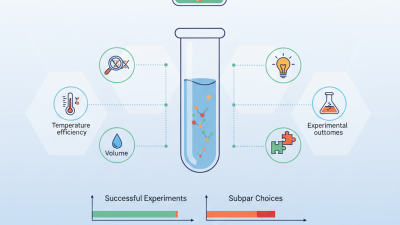
The design of high speed centrifuge tubes ensures optimal performance during various procedures. Their material must resist high centrifugal forces, preventing leaks or breakage. This reliability enhances experimental outcomes and data accuracy. Without quality tubes, researchers face potential errors and lost results, which can be costly and time-consuming.
Nevertheless, some scientists overlook the significance of using the right tubes. Inadequate choices may compromise samples during critical experiments. Being aware of the necessary specifications is vital for consistent results. Understanding high speed centrifuge tubes and their applications is essential for anyone involved in scientific research.

Definition of High Speed Centrifuge Tube
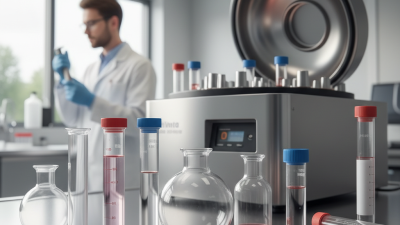
High-speed centrifuge tubes are specialized containers designed for use in high-speed centrifugation processes. These tubes are engineered to withstand extreme forces and provide efficient separation of substances based on density. Typically made from high-strength polymers or glass, their designs help reduce sample contamination and maximize yield.
In laboratory environments, a high-speed centrifuge can spin samples at speeds of up to 30,000 RPM. This capability allows for effective separation of cells, proteins, or organelles within biological research. According to industry reports, using these tubes can result in purity levels exceeding 95% for isolated compounds. Such efficiency is crucial in fields like biochemistry and molecular biology, where precise results are paramount.
The design of high-speed centrifuge tubes often includes features such as conical bottoms for better collection of sediments and graduated markings for accurate measurement. Despite their advantages, the reliance on high-speed centrifugation raises concerns about potential sample overheating and sedimenting issues. Researchers must continuously evaluate protocols to enhance efficiency while ensuring sample integrity. Balancing these factors remains a challenge in achieving optimal results in scientific research.
Key Features of High Speed Centrifuge Tubes
High-speed centrifuge tubes are essential in laboratory settings. They are designed to withstand high centrifugal forces during centrifugation. This unique design allows for efficient separation of samples based on density. Common applications include molecular biology, biochemistry, and clinical diagnostics. High-speed centrifuge tubes play a critical role in isolating cellular components and purifying biomolecules.
One key feature of these tubes is their robust material composition. They are often made from high-grade polymers that resist breakage and chemical interactions. This durability enhances sample integrity. Their clear design allows for easy visualization of layered samples. Additionally, most high-speed centrifuge tubes feature graduated markings for accurate measurement. However, standardization across tubes can sometimes vary, leading to potential user errors during experimentation.
Another notable aspect is their compatibility with different rotors. This flexibility allows researchers to optimize their workflows. However, laboratory personnel should always double-check compatibility before use. Sometimes, users might overlook this detail, leading to unanticipated outcomes. High-speed centrifuge tubes are invaluable tools, but understanding their specific properties is crucial for reliable results.
Common Applications in Laboratories and Research
High-speed centrifuge tubes are essential tools in laboratories and research facilities. These tubes enable the separation of substances based on their density. They are widely used for various applications, particularly in molecular biology and biochemistry. A study from the Journal of Laboratory Methods highlighted that centrifugation is vital for sample preparation in 80% of molecular biology experiments.
In clinical diagnostics, high-speed centrifuge tubes play a critical role. They help separate blood components for testing. According to industry reports, nearly 90% of clinical laboratories utilize centrifugation techniques for sample analysis. This separation process ensures that clinicians receive accurate results, which ultimately impacts patient care.
Additionally, these centrifuge tubes are central to the production of vaccines. The rapid separation of viral particles from cell cultures is crucial for vaccine development. Yet, many labs still face challenges in optimizing this process. Issues like tube integrity can affect results, emphasizing the need for ongoing research and improvement. Continuous advancements in centrifuge technology are necessary to meet growing demands across various scientific fields.
Impact on Biomedical and Biotechnological Fields
High-speed centrifuge tubes are essential in biomedical and biotechnological fields. These tubes enable the rapid separation of fluids based on density. They are designed to withstand extreme centrifugal forces during the separation process. This capability makes them invaluable for various applications, including DNA extraction, protein purification, and cell culture.
One significant impact is in the realm of molecular biology. Researchers rely on high-speed centrifuge tubes to isolate nucleic acids swiftly. This isolation is critical for genetic research and diagnostics. Higher purity levels can lead to more reliable experimental outcomes. However, mishandling of samples can lead to contamination, resulting in unreliable data.
In biotechnology, these tubes aid in the purification of proteins for therapeutic use. Accurate centrifugation can enhance the yield of desired proteins. However, it’s essential to optimize parameters such as speed and duration. Poor optimization can compromise the quality.
When using high-speed centrifuge tubes, careful consideration of sample types is crucial. Proper sealing and balance of tubes can prevent accidents. Understanding the limits of your centrifuge device is key. Knowledge about your specific application will lead to more effective use of these tubes. Exploring these details can lead to insights that improve practices in labs.
Impact of High Speed Centrifuge Tubes on Biomedical and Biotechnological Fields
Safety Considerations and Best Practices for Use
High-speed centrifuge tubes are essential in laboratories for separating liquids with different densities. Their use, however, comes with significant safety considerations. Proper handling and usage are crucial to prevent accidents. Always ensure that the centrifuge tube is compatible with the materials being spun. Using an inappropriate tube can lead to breakage and hazardous spills.
Operators should wear appropriate personal protective equipment (PPE), such as gloves and safety goggles. This protection minimizes the risk of exposure to hazardous materials. Make sure the centrifuge is balanced; this prevents excessive vibrations during operation. An unbalanced load can lead to equipment failure or even injury.
When loading the centrifuge, aim for symmetry. Balance the weight of the samples carefully. After use, all tubes should be properly disposed of based on the contents' nature. Awareness of the potential dangers is vital. Misleading safety practices can lead to unfortunate consequences. Always double-check equipment settings before operation. Regular maintenance and inspections help maintain safety standards over time.