
Customer Service

Why Choose Herbal Pharmaceuticals for Global Sourcing?

The rise of Herbal Pharmaceuticals in global sourcing is undeniable. As consumers seek natural alternatives, these products have gained traction. Many people are drawn to herbal solutions for their perceived safety and efficacy. Traditional wisdom often backs these remedies. However, sourcing them globally raises distinct challenges.

Quality varies across regions. Not all suppliers adhere to strict manufacturing standards. This inconsistency makes it crucial to seek reliable partners. Understanding local regulations is essential. Some countries may have different enforcement policies. Companies must navigate these complexities to ensure product safety.

Herbal Pharmaceuticals offer potential advantages. They can complement conventional medicine and provide holistic benefits. Yet, buyers need to critically assess each product's authenticity. Not every herbal product lives up to its claims. Thus, thorough research and due diligence are vital when considering global sourcing.
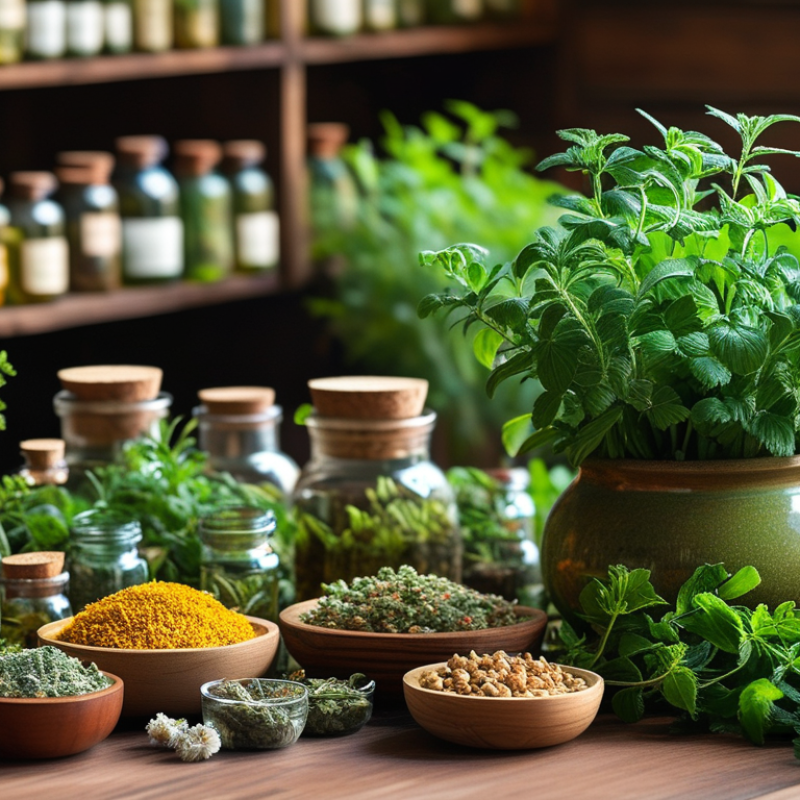
Why Choose Herbal Pharmaceuticals for Global Sourcing?

Understanding Herbal Pharmaceuticals in the Global Market

The global market for herbal pharmaceuticals is growing rapidly. As per a recent Grand View Research report, the market is expected to reach USD 107.28 billion by 2027. This growth is driven by increased consumer awareness about natural remedies. Many people prefer herbal products due to their perceived safety and efficacy.

Understanding the components of herbal pharmaceuticals is crucial. They often consist of various plant extracts and essential oils. A study published in the Journal of Herbal Medicine notes that over 80% of the world's population relies on herbal medicine for primary health care. This reliance highlights the need for high-quality sourcing standards.

However, the industry faces challenges such as quality control and ingredient sourcing. Ensuring the purity and potency of herbal products is vital. Transparency in the supply chain can potentially mitigate these risks. Continuous improvement and adherence to strict regulations are necessary for maintaining trust in herbal pharmaceuticals.

Benefits of Sourcing Herbal Pharmaceuticals Internationally

Global sourcing of herbal pharmaceuticals offers distinct advantages. One key benefit is access to diverse plant species from various climates. This variety enhances the potential for discovering unique compounds that may not be available locally. For instance, certain herbs thrive only in specific regions, showcasing their potential therapeutic benefits.

Another important aspect is cost-effectiveness. Sourcing from global markets can lead to significant savings. Bulk purchasing from international suppliers often reduces production costs. However, it's essential to remain vigilant about quality control. Not all suppliers uphold the same standards, which can lead to inconsistencies in product efficacy.

Moreover, engaging with international suppliers fosters innovation. Collaboration can spark new ideas for formulations and applications. Yet, this approach requires a careful selection process. Assessing the reliability and expertise of partners is crucial. This step minimizes risks associated with quality and compliance issues. Attention to detail in supplier selection can make or break a product's success.

Key Considerations in Herbal Product Quality and Safety

When sourcing herbal pharmaceuticals globally, product quality and safety are paramount. The rise in herbal remedies has increased demand, but this also heightens the risk of variations in quality. Contaminants like pesticides or heavy metals can compromise safety. Understanding the source of herbs is crucial. Are they grown in polluted areas? Such details matter greatly in ensuring product integrity.

Standardization is another key factor. Different batches may have varying potency due to natural variations. Reliable suppliers often provide certificates of analysis. This documentation can help verify consistency and quality. However, not all suppliers adhere to strict manufacturing practices. It’s vital to investigate their quality assurance processes. Look for those that employ third-party testing for validation.

Transparency in sourcing is also a major consideration. Suppliers should be willing to share their cultivation and extraction processes. This openness builds trust. Despite the growing popularity of herbal products, consumers must remain vigilant. Always ask about sourcing, testing, and certifications. Whether for personal use or commercial purposes, safety is non-negotiable.

The Role of Regulatory Standards in Global Herbal Sourcing

In today's global market, choosing herbal pharmaceuticals requires careful consideration of regulatory standards. These standards ensure product safety, quality, and efficacy. Each region has its guidelines that influence how herbal products are sourced and validated. Compliance is essential not only for legal reasons but also for consumer trust.

Navigating these regulatory landscapes can be challenging. Variations exist between countries in what is acceptable. Some regions may prioritize certain herbal ingredients over others. This inconsistency can lead to sourcing complications and potential product recalls. Businesses must stay informed about these regulations to mitigate risks.

Awareness of local regulations builds credibility. Partnering with experts in herbal sourcing can streamline this process. However, companies must remain vigilant, as regulatory environments are constantly evolving. Regular updates and training for sourcing teams are necessary to adapt. Engaging with the latest research can also inform sourcing strategies. Balancing compliance with innovation is crucial for success in the herbal pharmaceutical sector.

Why Choose Herbal Pharmaceuticals for Global Sourcing? - The Role of Regulatory Standards in Global Herbal Sourcing

Dimension Details
Regulatory Compliance Ensures products meet international safety and quality standards.
Quality Assurance Standardized testing and validation processes are followed for herbal products.
Sourcing Variety Wide range of herbs available for different therapeutic uses.
Sustainability Practices Sourcing from sustainable farms that adhere to environmental regulations.
Cost-Effectiveness Competitive pricing due to efficient supply chain management.
Traceability Ability to trace herbs back to their origin to ensure quality.
Research & Development Ongoing research ensures the efficacy and safety of herbal products.

Sustainable Practices in the Herbal Pharmaceuticals Industry

The herbal pharmaceuticals industry is witnessing a shift towards sustainable practices. The global market for herbal products is expected to reach $107 billion by 2027, according to a recent market research report. This demand drives companies to implement eco-friendly sourcing and production methods. Sustainable practices are not merely a trend; they are becoming essential for long-term viability.

Herbal sourcing encourages biodiversity and reduces the carbon footprint. Studies indicate that sustainable cultivation methods can enhance the quality of herbal products while preserving natural resources. However, challenges remain. The inadequate regulation of herbal sourcing can lead to issues like overharvesting and loss of biodiversity. Companies must address these concerns to maintain their credibility and ensure a thriving ecosystem.

**Tip: Always look for certifications that indicate sustainable and ethical sourcing practices in herbal pharmaceuticals.**

Adopting sustainable practices isn’t just good for the environment. It's also beneficial for business. A report by the World Health Organization revealed that products developed with sustainability in mind often enjoy higher consumer trust. Nevertheless, the industry still faces a shortage of transparent data on sourcing practices. Transparency can significantly impact consumer choices.

**Tip: Educate yourself on the origins of herbal products and demand greater transparency from suppliers.**

Investing in sustainability not only satisfies consumers but also creates a positive impact on communities involved in herbal cultivation. By prioritizing responsible sourcing, companies can establish themselves as leaders in the herbal pharmaceuticals market.

Translate »