How to Choose FTTA Cable for Global Buyers in 2026?
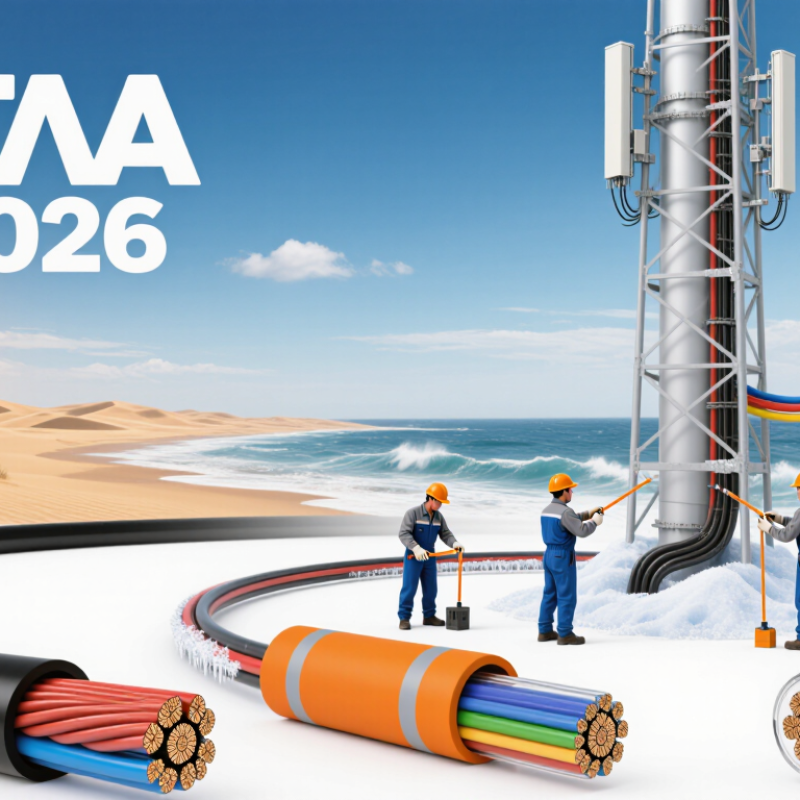
Choosing the right Ftta Cable in 2026 requires more than comparing prices on a supplier website. Global buyers must match cable design with tower height, climate, installation methods, and network equipment. A cable that performs well in a dry warehouse may fail under coastal salt, desert heat, or repeated winter freezing.
Real projects reveal the difference. Technicians may pull an outdoor cable across a 60-meter tower, bend it around a narrow bracket, and connect it beside active radio equipment. Small details matter. Fiber count, jacket material, bend radius, connector type, waterproofing, and tensile strength can affect installation time and long-term signal stability. Fit comes first.
Reliable purchasing also depends on evidence. Buyers should review test reports, production controls, fiber standards, and traceable inspection records. Supplier experience matters, but confident claims are not enough. Ask for clear specifications and samples. Confirm compatibility with the remote radio unit, antenna system, and existing feeder route. Regional support can also reduce delays when customs, weather, or field access changes the schedule.
No checklist is perfect. A specification copied from an older project may overlook new equipment or harsher conditions. This guide examines practical selection criteria for global buyers, including performance, durability, logistics, and supplier credibility. It aims to support careful decisions, while recognizing that every network site has different risks. Good Ftta Cable selection is not about choosing the cheapest reel. It is about choosing a dependable link that installers can handle and operators can trust.
Define FTTA Cable Types, Structures, and Deployment Environments
Global buyers should define FTTA cable by structure before comparing price.
Outdoor remote radio units usually need pre-terminated fiber, power conductors, and strong mechanical protection. Hybrid cables combine optical fibers with copper power cores. Separate fiber and power runs offer easier replacement, but require more installation space.
The fiber count matters. Two fibers may support a simple radio link, while dense sites need twelve, twenty-four, or more. Armored designs resist rodents, crushing, and repeated movement near towers. Non-armored designs are lighter and often suit protected rooftop routes.
IEC 60794 provides relevant optical-cable test guidance, while IEC 60502 helps assess power-cable construction. Standards do not replace field judgment.
Deployment conditions change the specification. A coastal site needs low-water-penetration materials and corrosion-resistant fittings. A cold region needs a suitable minimum installation temperature and bend radius. Tight tower pathways punish stiff cables. They also expose weak connectors quickly.
According to ITU Facts and Figures 2024, 5.5 billion people used the Internet, while 2.6 billion remained offline. That demand increases pressure on reliable mobile backhaul and fiber access. The FTTH Council Global Alliance’s 2024 market reporting also shows continued worldwide fiber expansion, although regional definitions differ. I would not select cable from headline bandwidth alone. Real projects often underestimate wind movement, connector cleaning, and future fiber growth. That is where the specification may fail.
Match Cable Performance With Network Capacity and Distance Requirements
How to Choose FTTA Cable for Global Buyers in 2026?
Match Cable Performance With Network Capacity and Distance Requirements
Choosing an FTTA cable starts with network capacity, not appearance. A compact site may need only a duplex fiber connection. A high-density tower can require multiple fibers for present and future radio units. Count active links, reserve fibers, and expected upgrades before requesting quotations. More fibers are not always better. They can increase diameter, weight, and installation effort.
Distance directly affects optical performance. Measure the route from the equipment shelter to each antenna, including vertical rises, service loops, and slack. Then calculate the link budget using cable attenuation, connector loss, and splice loss. For long outdoor runs, low-loss single-mode fiber is usually the practical choice. Short indoor sections may allow different specifications, but mixing options without testing creates risk. It happens more often than teams admit.
Field conditions matter just as much. Select a cable with suitable bend radius, tensile strength, temperature range, and water resistance. Check whether the jacket tolerates ultraviolet exposure, wind movement, and repeated maintenance. A cable can meet a laboratory value yet fail during a rushed tower installation. Ask for test reports, dimensional drawings, flame ratings, and traceable production records. Also confirm regional requirements before shipping. My own planning mistake has been trusting a nominal distance instead of the real route. A careful site survey would have caught it earlier.
Evaluate Fiber Count, Connector Options, and Installation Compatibility
How to Choose FTTA Cable for Global Buyers in 2026?
Fiber count should match both today’s radio layout and tomorrow’s expansion plan. Ericsson’s November 2024 Mobility Report forecasts mobile data traffic will grow about 20% annually through 2030. That growth makes spare fibers valuable. A two-fiber link may support one radio unit, but four, eight, or twelve fibers can simplify upgrades and repairs. TeleGeography’s 2024 Global Bandwidth Research Service recorded 1,217 Tbps of international bandwidth in 2023, rising 29% year over year. Demand is not slowing.
Connector selection requires equal care. Duplex LC connectors suit compact equipment and straightforward testing. MPO connectors offer higher density, but polarity, gender, keying, and cleaning become critical. IEC 61754 standards help define connector interfaces, yet field compatibility still depends on the radio, distribution box, and transceiver. Check insertion loss, return loss, dust protection, and mating cycles. Small details matter.
Installation compatibility often decides whether a cable performs well. Verify bend radius, pulling tension, jacket diameter, temperature range, and water resistance. Outdoor tower routes may need ruggedized, low-smoke, halogen-free construction. Preterminated assemblies can reduce site labor, but an incorrect length creates awkward coils or dangerous tension. I have seen designs focus on fiber count while ignoring connector polarity. That mistake is expensive. Measure the route, confirm the equipment interface, and leave realistic service slack. Yet even this approach needs review when local construction methods differ.
Compare Durability, Safety Standards, and Global Certification Needs
Global FTTA buyers need more than a low insertion-loss figure. GSMA’s The Mobile Economy 2025 forecasts 5.5 billion 5G connections by 2030. That growth will expose weak outdoor cable designs faster. Choose cables tested under IEC 60794 environmental methods, including temperature cycling, water penetration, tensile load, and repeated bending. Check the test limits, not only the compliance logo.
Durability starts with the jacket and ends with installation discipline. Look for UV resistance, crush protection, controlled bend radius, and sealed connectors. A cable may survive a laboratory pull test but fail after months beside a vibrating tower. IEC 60332 flame testing supports safer cable selection, while EN 50575 applies reaction-to-fire requirements in covered European construction settings. Requirements differ by country. Verify them with the local authority or qualified engineer.
Certification paperwork also deserves inspection. Request current test reports, material declarations, traceability records, and connector ratings. The IEC 61754 family helps define fiber-optic interface compatibility, but it does not replace national approval. UL, CE, UKCA, or other marks may apply differently across markets. This is where buyers often rush. A cheaper cable can become expensive after water ingress, rework, or customs delays. Reports should identify the exact cable construction and test sample. Generic certificates are not enough. In practice, that detail is easy to miss.
Assess Suppliers, Total Costs, Lead Times, and Long-Term Support
How to Choose FTTA Cable for Global Buyers in 2026?
Choosing FTTA cable requires more than comparing price per meter. A reliable supplier should provide clear fiber specifications, connector details, bend-radius limits, and test records. Ask for sample cables before approving a large order. Inspect the jacket, pulling eye, sealing parts, and connector protection. Field experience matters here. A neat datasheet cannot replace a cable tested in real installation conditions. Supplier audits can reveal weak traceability, inconsistent crimping, or poor packaging. Request production photos, inspection procedures, and recent customer references. Certifications should be verifiable, not simply printed on a brochure.
Calculate the total landed cost, not only the factory quotation. Include drums, export packing, freight, insurance, duties, local delivery, installation labor, and spare assemblies. A cheaper cable may require extra adapters or create higher replacement costs. Check whether testing, labeling, and documentation are included. Clarify payment terms and quotation validity. Small exclusions can become expensive later. I have seen projects underestimate storage fees when shipments arrived earlier than expected. That mistake is easy to repeat.
Lead time should cover production, testing, packing, and transport. Ask for a milestone schedule with realistic buffer days. Confirm how the supplier handles damaged drums, missing items, or failed tests. Long-term support should include installation guidance, replacement procedures, drawings, and prompt technical replies. Keep spare cables in climate-controlled storage when possible. Support must remain available after delivery. However, buyers should also question their own assumptions. A perfect forecast is impossible, especially across several countries and contractors.
How to Choose FTTA Cable for Global Buyers in 2026?
A practical buyer scorecard for comparing FTTA cable suppliers. Supplier capability, total landed cost, lead time, and long-term support are weighted according to common global procurement priorities.
Higher scores indicate stronger suitability for long-term FTTA deployment. Buyers should verify cable specifications, connector compatibility, outdoor ratings, delivery commitments, warranty terms, and after-sales service before placing an order.