How to Choose the Best Led Garden Light for Your Needs?
When it comes to outdoor lighting, choosing the right Led Garden Light can transform your garden into a stunning visual space. Expert lighting designer Sarah Thompson emphasizes, "The right LED garden lights enhance not just visibility, but the overall atmosphere." This idea highlights the importance of understanding your needs before making a choice.
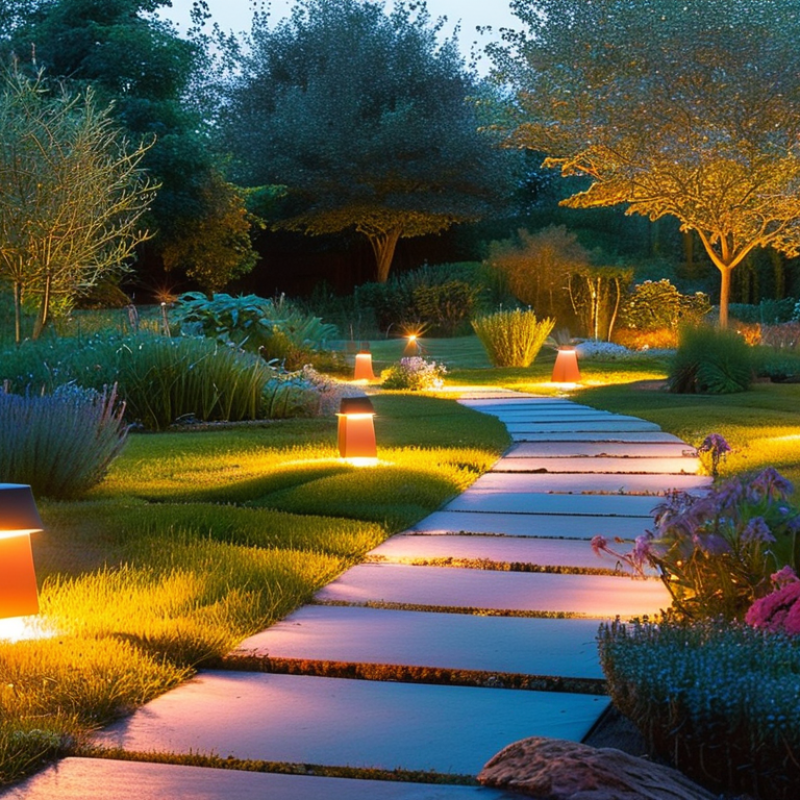
Selecting the best Led Garden Light involves more than just brightness. You need to consider design, energy efficiency, and functionality. Different gardens require different lighting solutions. For example, path lights offer safety and direction, while spotlighting can highlight your garden's best features.
While it may seem straightforward, many overlook critical details. Not every LED light fits every garden. The type of plants, landscape contours, and personal style all play a role in the choice. Reflecting on these factors can lead to more informed decisions. With thoughtful evaluation, your garden can shine beautifully after dark.
Understanding the Different Types of LED Garden Lights Available
When selecting LED garden lights, it's essential to understand the various types available. Flood lights provide bright illumination, suitable for large areas. Spot lights, on the other hand, focus light in a specific direction. They are perfect for highlighting plants or garden features. String lights create a cozy atmosphere, ideal for outdoor dining or gathering spaces.
Tips: Consider the brightness levels. Some areas might need more light, while others may only require subtle illumination. Pay attention to the color temperature. Warmer tones create a welcoming environment, while cooler tones can enhance modern designs.
Solar-powered lights offer an eco-friendly option, relying on sunlight for energy. However, their performance can vary based on weather conditions. Battery-operated lights offer versatility but require regular maintenance. Remember to evaluate your garden's layout and purpose before making a decision. Reflect on what ambiance you want to create. Sometimes, a mix of different lighting styles can add depth and interest to your garden design.
Assessing Your Garden's Lighting Needs and Requirements
Assessing your garden's lighting needs begins with observing how you use the space. Do you host gatherings? Or maybe you prefer tranquil evenings? According to a report by the Illuminating Engineering Society, well-lit gardens can enhance outdoor usability by over 40%. This statistic underscores the importance of picking the right lights to meet your needs.
Next, consider the size of your garden. A small garden might only require a few strategically placed lights. In contrast, larger areas might benefit from a combination of pathway lights, spotlights, and ambient lighting. Research indicates that layering different types of lights can create depth and improve safety. Additionally, pay attention to the areas where plants flourish. Certain plants need more light, while others prefer softer illumination.
It’s crucial to take local regulations into account. Some regions have restrictions on brightness or types of fixtures. This can impact your selection process significantly. Reflecting on your choices can prevent overspending or wrong installations. Always keep in mind that functionality should blend with aesthetics for the ideal garden experience. Balancing practical needs with your vision can make all the difference.
Lighting Needs Assessment for Garden - LED Garden Lights
Evaluating the Features and Specifications of LED Garden Lights
Choosing the right LED garden light can significantly impact your outdoor space. To begin, evaluate the brightness output in lumens. A higher lumen rating means brighter light, which is essential for visibility and security purposes. Aim for around 100-200 lumens for decorative lighting, while security lights may need 700 lumens or more.
Consider the color temperature as well. Warm white lights (2700K-3000K) create a cozy atmosphere. Conversely, cool white lights (5000K-6000K) offer a bright, almost daylight-like effect. Your personal preference will guide this choice.
Tips: Check the IP rating for outdoor suitability. An IP65 rating indicates the light is dust-tight and water-resistant, perfect for all weather. Also, think about energy efficiency. Look for lights with lower wattage but high lumen output to save on electricity. Reflecting on the fixtures' design and material is essential. Some may not weather well, which could lead to premature replacement. Take time to balance functionality and aesthetics for the best results.
Considering Energy Efficiency and Longevity in Your Choice
When selecting LED garden lights, energy efficiency and longevity are crucial factors. LED lights consume less power compared to traditional bulbs, significantly reducing your electricity bill. They convert most of the energy into light, minimizing wasted energy as heat. This efficiency not only helps the environment but also offers long-lasting performance. With lifespans of up to 50,000 hours or more, these lights can illuminate your garden for years without frequent replacements.
Consider the brightness and color temperature when making your choice. It’s essential to match the light's intensity with its function. For example, softer lights create a warm ambiance for relaxation, while brighter lights offer better visibility for safety. Some users may struggle to find the right balance. Additionally, think about the placement of the lights. Improper positioning can lead to glare or inadequate coverage, diminishing both function and aesthetic appeal.
Energy efficiency ratings can vary widely. Always check the labeling and guidelines to ensure you’re making a well-informed decision. Many fixtures look appealing but may not hold up over time. Look for lights with good reviews and proven durability to ensure you invest wisely. Not every choice will meet all your needs perfectly, and that’s okay. Taking the time to research can lead to a garden space that is both beautiful and practical.
Budgeting for Quality: Pricing Factors of LED Garden Lights
When selecting LED garden lights, understanding pricing factors is crucial. Quality LED lights typically range from $20 to $200. The variance in pricing often relates to materials, brightness levels, and energy efficiency. Cheaper models may skimp on durability. They might require frequent replacements, ultimately costing more in the long run.
Consider the environment where the lights will be placed. Waterproof and rust-resistant features can increase the price. However, investing in these features can save you money since they protect against wear. Examine the wattage and lumens output as well. High-lumen options provide brighter illumination, which can enhance your outdoor space.
Keep in mind that installation costs can also influence your budget. Some lights are DIY-friendly, while others may need professional installation, adding to total expenses. Reflecting on your needs can help grasp what you truly require. It’s tempting to choose the cheapest option, but quality often prevails over price.
How to Choose the Best Led Garden Light for Your Needs?
| Light Type | Brightness (Lumens) | Color Temperature (Kelvin) | Power Consumption (W) | Price Range ($) |
| Solar LED | 300 | 3000K | 5 | 20 - 50 |
| Pathway Light | 150 | 4000K | 3 | 15 - 40 |
| Flood Light | 800 | 5000K | 10 | 30 - 70 |
| Step Light | 100 | 3000K | 2 | 10 - 25 |
| String Lights | 250 | 2700K | 4 | 20 - 50 |