How to Choose the Best Cryogenic Storage Solutions?
In the evolving field of cryogenic storage, choosing the right solution is critical. Dr. Emily Hart, a leading expert in this industry, emphasizes, “Effective cryogenic storage can mean the difference between success and stagnation.” This highlights the importance of selecting appropriate technologies for your specific needs.
Cryogenic storage plays a vital role in various sectors, from healthcare to aerospace. It involves maintaining substances at extremely low temperatures. These temperatures preserve biological materials, improve chemical reactions, and enable spacecraft and satellite technologies. However, the choices available can be overwhelming.
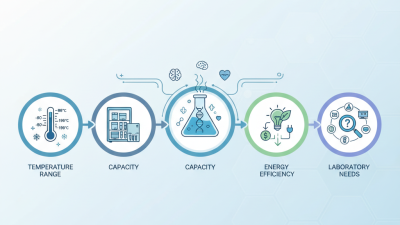
Key factors influence the effectiveness of cryogenic storage. Capacity, insulation, and security features are essential components to consider. Moreover, not all solutions will fit every application seamlessly. Organizations must reflect on their unique requirements and available resources. Understanding the nuances of cryogenic technology can significantly impact operational efficiency and safety.

Understanding Cryogenic Storage: Key Concepts and Terminology
When considering cryogenic storage, it's vital to understand key concepts. Cryogenic storage involves preserving materials at extremely low temperatures. These low temperatures help maintain the integrity of biological samples, gases, and other materials. Proper terminology is essential to navigate this specialized field.
In cryogenics, the term "cryogen" refers to any substance used to achieve low temperatures. Liquid nitrogen is a common choice. You may also hear about "dewars," which are vacuum-insulated containers designed for cryogenic liquids. Understanding these terms can guide you in selecting appropriate storage solutions.
Handling cryogenic materials requires caution. Always use protective gear to avoid frostbite or burns. Training on equipment usage is crucial. Before purchasing storage units, research their safety features and capacity. Ensure the supplier provides reliable maintenance support. Familiarize yourself with potential risks related to cryogenic storage. Being informed can mitigate mishaps in this specialized area.
Types of Cryogenic Storage Solutions: Tanks, Freezers, and Dewars
Choosing the right cryogenic storage solution is vital for maintaining the integrity of sensitive materials. Among the available options, tanks, freezers, and dewars each serve distinct purposes. Cryogenic tanks are typically used for large-scale storage. They store gases or liquids at very low temperatures, making them essential for industrial applications.
On the other hand, cryogenic freezers offer precise temperature control, ideal for lab environments where small samples must remain stable. Dewars provide portability and ease of use. They are excellent for transporting cryogenic liquids safely.
When considering these options, think about your specific needs. Evaluate the volume of materials you need to store. For smaller quantities, a dewar may suffice, while a tank would be more suitable for larger operations. Additionally, check the insulation quality and energy efficiency of each option. Good insulation reduces evaporation and saves costs over time.
Tip: Regular maintenance is crucial. Inspect storage solutions regularly for leaks and damage. This can prevent sudden failures, ensuring the safety of stored materials. Always consider training staff on proper handling procedures. Unsafe practices can lead to accidents or compromised samples. Storing cryogenic materials requires attention to detail, and every choice has consequences.
Selecting Materials for Cryogenic Environments: Insulation and Durability
Selecting materials for cryogenic environments requires careful consideration of insulation and durability. The materials must withstand extreme temperatures without losing their structural integrity. Vacuum insulations and multi-layer systems are popular choices. Their efficiency can significantly reduce energy loss while keeping sensitive materials at stable temperatures. However, sometimes, these solutions can be costly and may require regular maintenance.
Durability is another critical factor. Materials should resist high pressure and potential chemical interactions. For instance, metals may become brittle at low temperatures. Some plastics can lose their flexibility. Testing materials under actual cryogenic conditions is essential. Although anticipated performance levels may not always match real-world outcomes, ongoing evaluation helps improve reliability. Choosing the right balance of these factors can be challenging yet crucial for effective cryogenic storage.
Material Comparison for Cryogenic Storage Solutions
This chart shows the thermal conductivity of various materials suitable for cryogenic storage solutions. Lower thermal conductivity values indicate better insulation properties, which are crucial for maintaining low temperatures in cryogenic environments.
Temperature Control and Monitoring: Ensuring Optimal Storage Conditions
When selecting cryogenic storage solutions, temperature control is vital. A temperature deviation of even a few degrees can compromise stored samples. Research indicates that maintaining temperatures within ±0.5°C can significantly enhance sample integrity. Advanced temperature monitoring systems are essential. They ensure consistent conditions throughout storage.
Regular calibration of monitoring devices is crucial for accuracy. Data from the Cryopreservation Association illustrates that improperly calibrated devices led to over 15% sample loss across many facilities. These statistics stress the importance of reliable monitoring systems to avoid costly mistakes.
Additionally, real-time monitoring technology provides alerts for temperature fluctuations. This proactive approach prevents damage before it occurs. Visualization tools in monitoring software assist staff in analyzing long-term temperature trends. Users must ensure these systems are up to date and functioning correctly. This demands continuous evaluation of both hardware and software. Failure to address this can leave organizations vulnerable to unforeseen risks.
How to Choose the Best Cryogenic Storage Solutions? - Temperature Control and Monitoring: Ensuring Optimal Storage Conditions
| Cryogenic Storage System |
Temperature Range (°C) |
Capacity (Liters) |
Monitoring Features |
Power Source |
| Standard Liquid Nitrogen Freezer |
-196 to -150 |
30 |
Digital Temperature Display, Alarm System |
Electric |
| Ultra-Low Temperature Freezer |
-80 to -60 |
500 |
Continuous Temperature Monitoring, Remote Alerts |
Electric |
| Cryogenic Storage Dewar |
-196 |
25 |
Thermal Insulation, Manual Temperature Check |
None (Passive Cooling) |
| Liquid Helium Storage System |
-269 to -200 |
10 |
Advanced Monitoring System, Data Logging |
Electric |
Cost Considerations and ROI for Cryogenic Storage Solutions in Industries
When selecting cryogenic storage solutions, cost considerations are crucial. Initial investment can be significant. However, evaluating the total cost of ownership is essential. This includes energy requirements, maintenance, and operational efficiency. Make sure to analyze how each solution impacts long-term expenses. Even minor differences in energy consumption can lead to substantial savings over time.
Return on investment (ROI) is another critical factor. Cryogenic systems can enhance product longevity and reduce waste. This is especially beneficial in industries such as pharmaceuticals and biotechnology. However, not every solution guarantees immediate gains. It is vital to assess the specific needs of your operation. An inappropriate choice might lead to wasted resources.
Engaging with experts can provide insight into optimizing both costs and ROI. Consider the trade-offs between upfront costs and the benefits of reliable performance. Sometimes, lower-cost options may not offer the durability required for sensitive materials. Reflecting on these aspects ensures a more informed decision. Each solution should align with your operational goals while considering financial impacts.