Best Threaded Inserts Supplier in China?
Choosing the best threaded inserts supplier in China requires more than comparing prices or browsing a polished catalog. Buyers should check whether a supplier understands the insert’s application, base material, thread size, installation method, and expected load. Small details matter. A mismatched knurl pattern or poorly controlled thread can cause problems during assembly. Ask for clear drawings, material specifications, dimensional tolerances, and available inspection records. These details make comparisons more useful than a low quote alone.
Searches for “Inserts Threaded” may lead to manufacturers, trading companies, and specialist exporters. Their capabilities can differ. Ask who makes the parts, what production processes are available, and how changes to a drawing are reviewed. Request samples before placing a large order, then check fit and installation using your actual materials and tools. A supplier’s response to technical questions can reveal as much as the sample itself. Look for direct answers, consistent documentation, and realistic lead times. Very fast promises deserve a closer look.
There is no single supplier that suits every project. One factory may offer broad customization, while another may be stronger in repeat orders or specific insert designs. Even a polished sample cannot prove that every production batch will match it. That is worth remembering. A careful shortlist should balance product quality, communication, production capacity, and support after delivery. With these checks, buyers can approach the search for a dependable Chinese supplier with clearer expectations and fewer surprises.
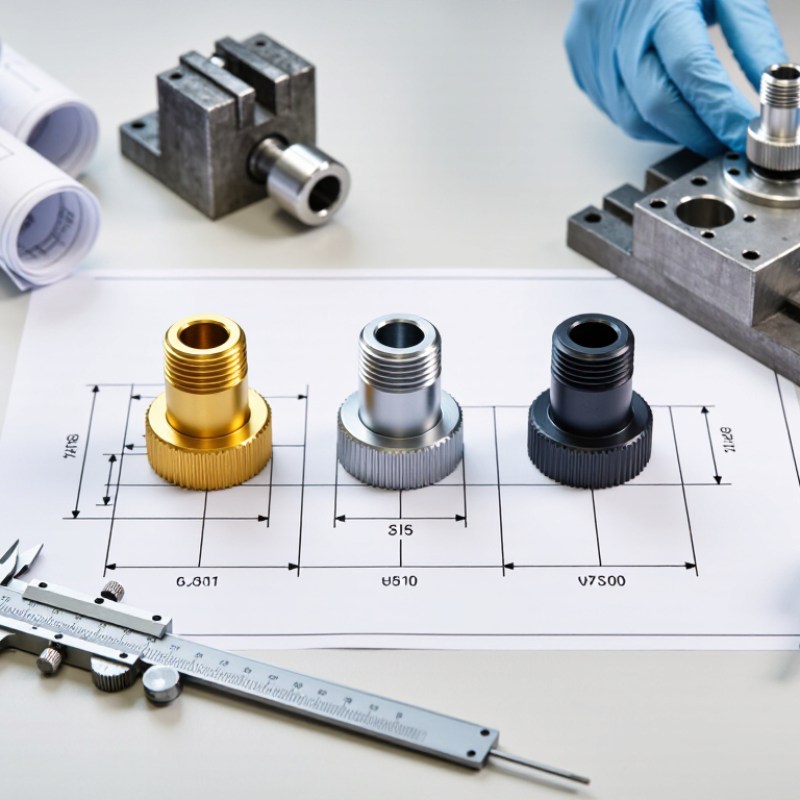
What Threaded Inserts Are and the Applications They Serve
Best Threaded Inserts Supplier in China?
What Threaded Inserts Are and the Applications They Serve
Threaded inserts are metal or plastic components that create durable internal threads in materials that may not hold screws securely. They are commonly used in wood, plastic, and composite panels. An insert can help reduce thread wear when a part is assembled and serviced repeatedly. The right choice depends on the base material, screw size, load, and installation method.
In furniture, inserts can secure legs or removable panels without repeatedly damaging the wood. In plastic housings, they provide stronger fastening points for covers and brackets. Electronics enclosures, vehicle interiors, and industrial equipment may also use them. Design details matter. A knurled exterior can improve grip in some applications, while a smooth insert may suit a different installation process. Oversized holes or poor alignment can still cause failure, so testing in the actual material is important.
Tips: Match the insert to the material and expected load. Check hole size and installation depth. A small sample test can reveal issues before production. It is easy to overlook the material’s variation.
How to Define Requirements for a Threaded Inserts Supplier
A reliable threaded inserts supplier should be assessed against the actual application, not a broad catalog description. Define the base material, insert type, thread size, installation method, and expected pull-out or torque loads. Include the operating temperature and exposure to moisture or chemicals. Small details matter. For example, an insert fitted into a thin plastic panel may need different knurling and installation controls than one used in an aluminum housing. Share drawings, tolerances, and annual volume estimates before requesting a quote.
Ask how the supplier checks consistency between production lots. Useful evidence may include dimensional inspection records, material documentation, sample results, and a clear method for tracing batches. Request samples for installation trials in the intended material, using the tools and settings your production team will use. Check for thread damage, spinning, cracking, and fit after assembly. Then discuss packaging, lead times, and how changes to dimensions or materials are approved. A requirement list is rarely perfect on day one. Trial results may reveal a tolerance or installation detail that needs revision, so allow room for that conversation. A low unit price is not enough if inspection expectations remain unclear.
Which Manufacturing Capabilities to Evaluate in China
Choosing a threaded-insert supplier in China starts with its manufacturing process, not its catalog. Ask how inserts are formed, machined, heat-treated, and finished. A capable factory should explain which operations happen in-house and which are outsourced. That distinction matters. It affects lead time and process control. Request material certificates and ask how incoming wire or bar stock is inspected. For inserts used in plastics, review knurl geometry, installation method, and pull-out or torque test data. For metal assemblies, confirm thread class, tolerances, and inspection gauges. Don’t settle for “we meet the specification.” Ask for sample inspection records linked to the drawing revision.
Tips: Send a drawing that states the material, thread standard, finish, and application temperature. Request pre-production samples and a control plan. Check whether gauges are calibrated and test results match the production lot. A factory video can help, but it cannot replace records.
Production capacity matters too. Review monthly output, changeover time, and how urgent orders are scheduled. Ask for defect and on-time delivery figures, including the reporting period and calculation method. Definitions vary. Verify claims with a pilot order; it can reveal packaging damage, mixed lots, or unclear communication before production scales up. A long machine list looks impressive, but operators, maintenance, and steady inspection routines matter more. Notice how the supplier discusses a failed test. That answer can be more useful than a polished presentation.
How to Verify Product Quality and Industry Compliance
Best Threaded Inserts Supplier in China?
How to Verify Product Quality and Industry Compliance
A reliable supplier should prove that each insert matches your drawing, material, and application—not just show a polished sample. ISO’s 2022 Survey recorded 1,265,216 ISO 9001 certificates worldwide. That figure indicates broad quality-system adoption, but certification alone does not verify an individual product or production lot. Ask for a current certificate and confirm its issuing body, site, and scope.
Request a sample inspection report covering thread gauges, key dimensions, material, and surface finish. For load-bearing uses, review relevant pull-out or torque test results, including the test method and sample size. Check that batch numbers link reports to actual shipments. A perfect-looking sample can still hide inconsistent production. I would also ask how rejected lots are contained and documented; answers should be specific, not only reassuring.
Tips: Send a drawing with tolerances, then compare measured samples against it. Check the batch. Keep one approved sample for later comparison, and record any inspection gaps before ordering at scale.
How to Compare Suppliers and Choose the Right Partner
Choosing a threaded inserts supplier in China starts with a clear comparison, not the lowest quotation. Share the insert’s material, dimensions, thread type, installation method, and operating conditions. A supplier should explain how its product fits your application, rather than simply confirm availability.
Ask for samples and inspect them against your drawing. Check thread fit with a suitable gauge, then look for burrs, damaged knurls, and inconsistent dimensions. Small details matter. Request material documentation and ask how incoming materials and finished batches are checked. Specific answers are more useful than a polished capability sheet.
Compare suppliers on repeatability, communication, lead time, and packaging, as well as price. Ask whether inspection records can be linked to each production lot. Confirm how changes to drawings or delivery dates are handled. A low unit price may not include sorting, special packing, or freight. In practice, a sample can look perfect while later batches vary, so one inspection is not proof of consistency. It is also easy to overvalue fast replies; clear technical answers matter more. Keep the comparison table simple, but leave room for questions you have not resolved.
Choosing a Threaded Inserts Supplier: A Strength Benchmark
Compare supplier test data with relevant material and fastener standards—not just price or lead time.
The bars show minimum tensile strength benchmarks in ISO 898-1 for steel fasteners with nominal diameters up to 16 mm. These are reference values for fastener property classes, not universal threaded-insert ratings. Ask suppliers for insert-specific drawings, material specifications, and test reports before comparing offers.