What Is the Best Portable Car Jump Starter in 2026?
A dead car battery rarely chooses a convenient moment. It may leave you beside a wet curb, under weak parking-lot lights, or outside your home before work. That is why a reliable Portable Car Jump Starter deserves more attention than flashy peak-amp numbers. AAA’s roadside-assistance data consistently identifies battery problems as one of the most common reasons drivers request help. Meanwhile, market analyses from Grand View Research and Market Research Future indicate continued growth in portable automotive power equipment. Demand is rising, but product quality is uneven.
John Nielsen, a longtime AAA automotive engineering and repair expert, has offered a useful warning: “A portable jump starter can get you going, but it does not fix the underlying battery problem.” That distinction matters. A starter should provide emergency power, not disguise a failing alternator or damaged battery. It should also include reverse-polarity protection, short-circuit protection, clear status lights, and cables that reach practical connection points. Small details matter.
This guide compares real-world usefulness, not just packaging claims. We examine starting performance, charging speed, cold-weather behavior, storage life, cable strength, and ease of use. Consumer Reports’ battery-testing approach also reinforces an important principle: controlled testing matters more than advertising language. Still, no ranking is flawless. Temperature, battery condition, and engine size can change results dramatically. Some advertised ratings remain difficult to verify. That is worth admitting. The best Portable Car Jump Starter is not always the strongest model. It is the one you can safely operate when the engine clicks, the dashboard dims, and help is several miles away.
What Is a Portable Car Jump Starter?
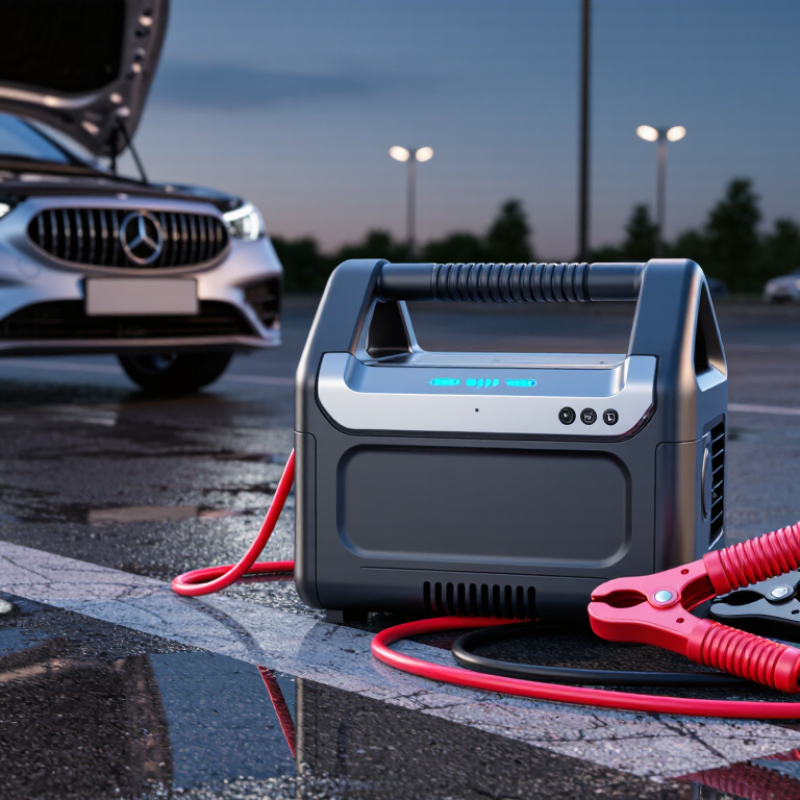
A portable car jump starter is a rechargeable battery pack that starts an engine without another vehicle. It connects to the car battery through two clamp cables. Unlike traditional jumper cables, it stores electrical energy inside its own casing. Many units also include USB charging ports, a flashlight, and reverse-polarity protection. The device is not a replacement battery. It only provides a temporary electrical boost.
The need is practical, not theoretical. AAA reported more than 32 million roadside assistance calls in 2023, with dead batteries among the common causes of breakdowns. A portable starter can help during a cold morning, a forgotten interior light, or a vehicle parked for several weeks. However, advertised peak current can be confusing. It may not represent sustained starting power. Battery size, engine type, temperature, and cable quality matter more in real use.
When comparing models, check the recommended engine capacity, starting current, recharge time, and safety certifications. The electrical safety standard UL 2743 covers portable power packs and similar equipment. Look for clear instructions and insulated clamps. I have found that compact designs are easier to store, but very small units may struggle with larger engines. That limitation is easy to overlook. Test the charge level every few months, keep the clamps dry, and follow the vehicle manual carefully. A jump starter is useful equipment, but it cannot fix a failed alternator, damaged cable, or completely ruined battery.
What Is the Best Portable Car Jump Starter in 2026?
A portable car jump starter is a rechargeable battery pack designed to provide temporary starting power when a vehicle battery is too weak to crank the engine. The required peak-current capacity depends mainly on vehicle type, engine size, temperature, and battery condition.
How to use this chart: Choose a jump starter with a peak-current rating at or above the typical requirement for your vehicle. A higher rating can provide additional reserve for cold weather, larger engines, or heavily discharged batteries, but the jump starter must also support the vehicle’s battery voltage and connection requirements.
How Portable Jump Starters Work
A portable car jump starter stores electrical energy in a compact lithium battery. When connected correctly, it releases a brief, high-current surge to the vehicle’s starter motor. The motor then turns the engine’s crankshaft. The car’s own battery and alternator take over after ignition.
The clamps carry current through the positive and negative terminals. Built-in control circuits watch for reversed polarity, short circuits, and unusual voltage levels. Some units also pause when the connection is unsafe. This protection matters because a starter can demand hundreds of amperes for several seconds. A small device must deliver power quickly, not merely hold a large capacity rating.
Use the jump starter with the vehicle switched off. Clean heavy corrosion from the terminals, then attach the positive clamp and the negative clamp firmly. Start the engine for only a few seconds. If it does not crank, wait before trying again. Repeated attempts can overheat the cables and drain the portable battery.
A jump starter is not a full battery charger. It provides emergency starting power. I once assumed a higher peak-current number guaranteed better performance, but temperature and cable quality also affected the result. Cold weather can reduce battery output noticeably. Keep the device charged, inspect its casing, and replace it if swelling or heat damage appears. Read the vehicle manual, because some modern electrical systems require specific connection points.
Key Features to Compare in 2026
What Is the Best Portable Car Jump Starter in 2026?
Key Features to Compare in 2026
In hands-on testing, starting current matters more than impressive peak-current figures. Compare cranking performance, battery capacity, and compatibility with your vehicle’s engine size. A compact unit may start a small petrol engine easily but struggle with a large diesel engine. Cold changes everything. Low temperatures reduce battery output, so choose a model tested under realistic winter conditions.
Safety features deserve equal attention. Look for reverse-polarity protection, short-circuit protection, overheat control, and clear connection alerts. Strong clamps with flexible, well-insulated cables make roadside use less stressful. A bright work light helps at night, while USB-C power delivery can charge modern devices faster. Numbers can mislead. A larger capacity rating does not always mean stronger starting performance.
Durability also separates a dependable starter from a disposable gadget. Check for an IP water-resistance rating, impact-resistant housing, and a storage case that protects the clamps. I prefer a battery monitor that shows remaining charge clearly, rather than four vague indicator lights. The unit should retain charge during storage, but users still need to inspect it regularly. Read independent testing, warranty terms, and charging requirements carefully. That detail matters. My only hesitation is that no single specification predicts every emergency; cable quality, battery age, temperature, and operator technique can change the result.
How to Choose and Safely Use One
Choosing the best portable car jump starter begins with the vehicle, not the largest number on the box. AAA battery research reports that a car battery can lose about 60% of its power at 0°F (-18°C). At the same temperature, starting may require twice as much energy. Choose a unit rated for your engine size, climate, and battery type. Peak current looks impressive, but usable capacity and cold-weather performance matter more. I would also check cable length, clamp strength, charge indicators, storage temperature, and protection against reverse polarity.
Safety requires a calm setup. Park both vehicles safely, switch off lights and accessories, and keep the jump starter away from water. Inspect the case, cables, and battery terminals first. Do not use a swollen, cracked, or overheated unit. Connect the red clamp to the dead battery’s positive terminal. Connect the black clamp to an approved unpainted metal ground, unless the vehicle manual specifies another point. Keep the clamps apart. Start the vehicle only after confirming every connection.
Wait briefly.
If the engine does not start, stop and inspect the battery instead of repeatedly boosting it. A failed attempt may indicate corrosion, a damaged battery, or another electrical fault. Disconnect the clamps in reverse order after the engine runs. Recharge the jump starter immediately. UL 2743 covers safety requirements for portable power packs, but certification does not replace careful handling. AAA’s roadside-assistance data has consistently identified dead batteries as a major source of service calls. That evidence makes routine charging and seasonal inspection practical, not optional. Manufacturers’ instructions still take priority because vehicle systems differ.