
Customer Service

What Is the Best Petroleum Resin for Buyers in 2026?

Choosing the best Petroleum Resin in 2026 is less about finding one “top” grade and more about matching resin chemistry to the finished product. A tackifier that performs well in a hot-melt adhesive may be a poor fit for a light-colored coating or rubber compound. Buyers should compare softening point, color, odor, compatibility, thermal stability, and consistency between batches. Small differences matter. A few degrees in softening point can affect processing, while a darker shade may show clearly in a pale adhesive. Ask suppliers for current technical data sheets, safety data sheets, and representative batch test results—not just a headline specification.

Market reports help explain why careful sourcing matters, but their estimates are not identical. Grand View Research valued the global petroleum resin market at about USD 3.67 billion in 2023 and projected a 5.1% compound annual growth rate from 2024 to 2030. These figures indicate sustained demand, not a guarantee of price, availability, or performance for any buyer. Report boundaries and forecasting assumptions can differ. That deserves a second look. For 2026 purchasing decisions, compare C5, C9, and hydrogenated grades against your actual formulation, processing temperature, and end-use requirements. Request trial samples and validate them under production conditions before committing to volume. The best choice is the one that delivers repeatable performance at a dependable total cost—not simply the lowest quoted price.
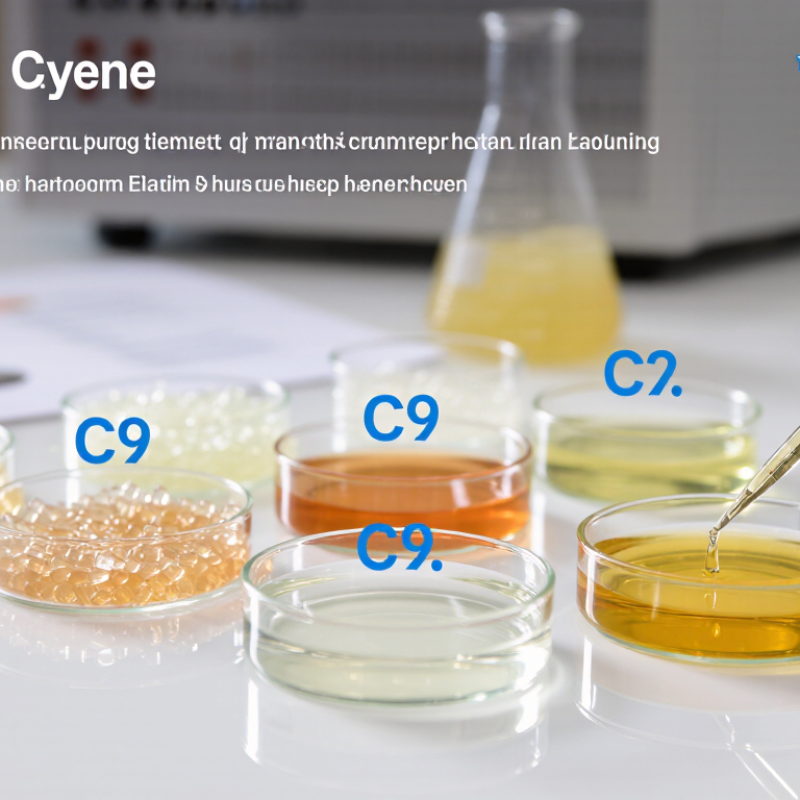
What Is the Best Petroleum Resin for Buyers in 2026?

What Petroleum Resin Is and How It Is Classified

Petroleum resin is a thermoplastic tackifier made by polymerizing unsaturated hydrocarbons recovered from petroleum cracking streams. Buyers usually encounter four groups: C5 aliphatic, C9 aromatic, DCPD, and C5/C9 copolymer resins. The labels describe feedstock chemistry, not guaranteed performance. Check softening point, color, molecular weight, and compatibility with the intended polymer or elastomer.

C5 resins often suit hot-melt adhesives and rubber compounds, where tack and flexibility matter. C9 grades tend to offer stronger aromatic compatibility and can improve hardness or heat resistance. DCPD resins vary with composition and processing. Hydrogenated grades have reduced color and improved resistance to oxidation, which can matter in clear adhesives. Small differences count. A resin that blends smoothly in a warm lab can behave differently on a fast production line.

Classification is only a starting point. Test the resin with the actual base polymer, wax, and operating temperature; otherwise, “compatible” may mean very little. Grand View Research estimated the global petroleum resins market at about USD 3.3 billion in 2022 and projected a 5.1% compound annual growth rate from 2023 to 2030. That market estimate signals broad demand, but it does not identify the right grade for a specific formulation. Shortlist by resin family, then compare application data and run a small-scale blend test.

Key Properties That Determine Petroleum Resin Performance

A “best” petroleum resin is not defined by one number. Buyers should match its softening point, molecular weight, color, and compatibility to the finished product. A resin that works well in a hot-melt adhesive may perform poorly in a coating. Start with the application and the other ingredients.

Softening point affects heat resistance and handling. Higher values can support better resistance to softening, but may make processing more difficult. Viscosity matters, too. Check it at the actual processing temperature, not just at room temperature. Small changes can alter flow, coating thickness, or tack.

Compatibility is easy to overlook. Test the resin with the intended polymer, oil, or elastomer, and look for haze or separation after blending. Color and odor may matter in light-colored or indoor applications. Thermal stability also deserves attention: prolonged heating can darken some formulations.

A datasheet helps, but it cannot replace a controlled trial. Results can still mislead if the test conditions differ from production. Compare samples under the same temperature, mixing time, and storage conditions, then review the results with the supplier’s technical team. A perfect lab match is rare. The practical choice balances performance, processability, consistency, and cost.

How Resin Types Fit Different Industrial Applications

Choosing a petroleum resin starts with the polymer it must support, not the lowest quoted price. C5 aliphatic resins often suit rubber-based hot-melt adhesives and pressure-sensitive labels. Their tack can help a label grip corrugated board quickly. C9 aromatic grades may fit paint, printing ink, and selected adhesive systems where compatibility and gloss matter. Hydrogenated grades offer lighter color and improved heat or aging performance, useful in clear packaging adhesives. DCPD-based grades can provide higher softening points for coatings and road-marking compounds. These are starting points, not guarantees. Test the actual blend.

The market context is substantial. Grand View Research estimated the global pressure-sensitive adhesives market at USD 13.3 billion in 2023 and projected 5.4% annual growth through 2030. That figure covers adhesive products, not petroleum resins alone. Still, it signals why label and tape formulators scrutinize tackifiers. Compare softening point, color, odor, and compatibility in the intended polymer. Then check performance after heat, cold, and storage. A resin that looks excellent in a small lab drawdown may behave differently on a fast coating line. It happens. I would not choose by resin family alone; a few trial batches can expose costly mismatches.

How to Compare Quality, Compatibility, Supply, and Cost

For petroleum resin buyers in 2026, compare performance in the finished adhesive or coating—not just the price per tonne. Check softening point, color, odor, and batch consistency against your process needs. ASTM E28 provides a standard method for measuring softening point, but a passing test alone cannot prove compatibility. Test the resin in your actual polymer system, such as EVA or SIS, and observe tack, clarity, and behavior after heating. Small differences matter.

Supply deserves equal scrutiny. The IEA’s 2018 report, The Future of Petrochemicals, estimated that petrochemicals would account for more than one-third of oil-demand growth through 2030. That broader outlook does not predict resin prices, but it highlights the sector’s exposure to changing feedstock and capacity conditions. Ask suppliers about lead times, production locations, specification controls, and contingency plans. Request recent certificates of analysis from multiple batches. A neat sample is not a supply guarantee.

Cost can be misleading. Compare delivered price, minimum order size, freight, storage needs, and the amount required to achieve the same performance. Run a small production trial before committing to a large volume. Record the results, even if they challenge the preferred option. Buyers sometimes overvalue a lower quotation and overlook reformulation time or inconsistent batches. No comparison is perfect; document what remains uncertain.

Factors Buyers Should Weigh When Choosing Resin in 2026

Choosing petroleum resin in 2026 starts with the job it must do. A tackifier for hot-melt adhesive may need a different softening point and compatibility profile than a resin used in rubber or coatings. Check the base polymer, processing temperature, target tack, and required color. Small differences matter.

Look beyond the quoted price. Ask for current technical data, batch specifications, and a representative sample. Compare softening point, melt viscosity, color, and odor under your own processing conditions. A resin that looks suitable on paper may behave differently after blending. Trial it on the production line.

Supply consistency matters too. Confirm lead times, packaging, storage guidance, and how the supplier handles specification changes. For hydrogenated grades, assess whether improved color stability or lower odor justifies the added cost for your application. Avoid choosing by resin family alone; performance depends on the formulation. Keep records. One practical weakness in many purchasing decisions is relying on a single small test. That can miss seasonal variation or scale-up problems. Recheck results with more than one lot when the application is sensitive.

Article Source:

Translate »