2026 Best One Lab Equipment Suppliers for Global Buyers?
Choosing a laboratory supplier in 2026 is not simply a matter of comparing prices. A centrifuge may look impressive online, yet the deciding details often appear later: spare-part availability, clear documentation, and a service team that answers technical questions. For global buyers, shipping times and regional support can matter as much as product specifications. The best one lab equipment suppliers should make those details easy to check.
Quality-management expert W. Edwards Deming wrote, “Quality comes not from inspection, but from improvement of the production process.” That principle fits supplier selection: dependable equipment starts with consistent manufacturing and continues through installation, maintenance, and support. This guide compares suppliers using practical signals, including product range, published specifications, warranty terms, calibration support, and customer service. A polished catalogue is not proof. Ask for the paperwork.
There is no perfect supplier for every laboratory. A university setting up a teaching room may need durable balances and microscopes, while a testing facility may prioritize instrument compatibility and rapid servicing. Buyers should verify claims against current product records and confirm delivery arrangements directly. A small omission can become an expensive delay.
Some details are easy to overlook. That is the point. This overview is a starting place, not a substitute for technical review. It aims to help global buyers ask better questions, compare evidence, and choose equipment that fits their actual workflow—not just a neat product page.

What Laboratory Equipment Do Global Buyers Commonly Need?
Global buyers commonly need core instruments for measurement, sample preparation, observation, and controlled storage. Typical orders include analytical balances, micropipettes, centrifuges, microscopes, spectrophotometers, incubators, refrigerators, and freezers. Clinical and life-science labs may prioritize sterile work areas and reliable cold storage; teaching and materials labs often need durable balances and imaging tools. Needs vary. The right specification depends on sample type, throughput, space, and available utilities.
Demand spans many sectors. Grand View Research’s 2024 Laboratory Equipment Market report estimated the global market at USD 58.5 billion in 2023, forecasting 7.1% annual growth through 2030. This estimate signals broad investment, but it does not define an individual lab’s purchase list. Buyers should also check calibration documentation, local service access, spare-part lead times, electrical compatibility, and installation requirements. A low purchase price can become costly when a centrifuge waits weeks for a replacement rotor. Specifications on paper do not always reveal that.
Tips: Compare equipment by total operating cost, not price alone. Request manuals, warranty terms, and calibration records before ordering. Confirm packaging and delivery conditions for sensitive instruments; these details are easy to overlook.
How to Evaluate Laboratory Equipment Suppliers in 2026
How to Evaluate Laboratory Equipment Suppliers in 2026
Evaluating a laboratory equipment supplier in 2026 means looking beyond a polished catalogue. Start with the instrument’s specifications, operating range, and documentation. Ask for sample calibration records, serial-number traceability, and clear installation requirements. Check whether manuals explain routine maintenance in practical steps. Details matter.
Compare service coverage with the equipment’s likely workload. For a temperature-controlled unit, ask how performance is checked after delivery and how quickly replacement parts can be sourced. Review warranty exclusions, response times, and technician training—not just the headline warranty period. A supplier’s answers should be specific and consistent. Fast replies help, but accuracy matters more.
Request references from laboratories using similar equipment, then ask what happened when something needed repair. Where possible, inspect a demonstration unit or arrange a site assessment. Confirm how the supplier protects equipment during transport and handles commissioning records. I would not treat a neat scorecard as proof; it can hide weak after-sales support. Price still matters, but the cheapest offer may cost more when a small component delays testing. Some uncertainty remains, so document assumptions and unresolved questions before placing an order.
Which Suppliers Serve International Laboratory Buyers?
International laboratory buyers are served by several supplier types, not one universal source. Manufacturers with export teams can coordinate instrument specifications, packing lists, and shipment schedules. Regional distributors may offer faster installation, local-language training, and easier access to replacement parts. For buyers in multiple countries, broad catalogs are useful, but local service coverage varies. Ask for evidence. Request current calibration records, product manuals, warranty terms, and references from comparable laboratories. Check whether the supplier can confirm voltage, plug, environmental, and consumable requirements before quotation.
Shipping a centrifuge or analytical instrument safely depends on more than a low freight quote. Confirm protective packaging, insurance options, delivery responsibilities, and who handles import documentation. Clarify whether installation, commissioning, and operator training are included or billed separately. For temperature-sensitive equipment, ask how transit conditions are monitored and what happens after a delay. Small details matter. A reliable supplier should respond in writing and identify a service contact. Still, no checklist removes every risk; specifications can change, and promised response times may slip. Compare suppliers’ answers, then keep key assumptions in the purchase file.
What Product Standards and Services Should Buyers Compare?
When comparing laboratory equipment suppliers, look beyond catalog specifications. Ask which product standards apply to each instrument, and request the relevant test reports, declarations, and calibration records. A balance, incubator, and analytical instrument may require different evidence. Check that documents identify the model, serial number, test conditions, and calibration date. Vague certificates are hard to verify.
Details matter. Compare measurement range, accuracy, repeatability, materials, and stated operating conditions against your actual protocols. Confirm whether calibration is traceable and whether the provider can explain the method and its limitations. If equipment will cross borders, ask for clear packing lists, installation requirements, and documentation suited to your destination. Requirements vary. Verify locally.
Service quality deserves the same scrutiny as product quality. Ask who handles installation, user training, maintenance, repairs, and replacement parts, and request realistic response times in writing. Check warranty exclusions, service coverage, and the availability of qualified technicians. A checklist can miss things. I would also ask how the supplier handles a delayed part or an instrument that fails acceptance testing; polished promises alone do not show what happens on a difficult day.
How to Assess Pricing, Shipping, and After-Sales Support
2026 Best One Lab Equipment Suppliers for Global Buyers?
How to Assess Pricing, Shipping, and After-Sales Support
A low quote can hide costly gaps. Compare the full delivered cost, including crating, freight, insurance, installation, and any import fees. Ask suppliers to list what is included and what may change after dispatch. For example, a temperature-controlled unit may need careful handling, while a basic benchtop instrument may not. Check the quoted lead time against your project schedule, and request written confirmation of delivery terms. Vague estimates deserve follow-up.
Tips: Request an itemized quote. Confirm packaging, transit insurance, tracking, and who handles damaged shipments. Ask how quickly support responds, which parts are stocked, and whether remote troubleshooting is available. Keep these answers in writing.
After-sales support matters most when equipment stops working during a busy testing week. Ask about warranty coverage, service hours, replacement-part availability, and technician access in your region. Request the service procedure, not just a promise of “fast support.” If calibration or installation is included, clarify who performs it and what records you receive. References from buyers with similar equipment can add useful context, though their experience may not match yours exactly. It is easy to overvalue the cheapest offer; a clear support plan can be worth more than a small discount.
2026 Best One Lab Equipment Suppliers for Global Buyers?
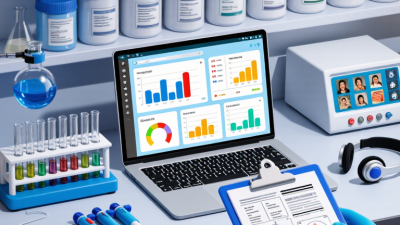
A practical scorecard for assessing pricing, shipping, and after-sales support.
Example evaluation scores from 1 (weak) to 5 (strong), not market averages or ratings of specific suppliers. Score each category using written quotations, delivery terms, warranty conditions, and support commitments. Compare total landed cost—including shipping, duties, and installation—not just the equipment price.