
Customer Service

What Is the Best Low Speed Electric Car?

Choosing the best Low Speed Electric Car is rarely about finding one perfect model. The right choice depends on where you drive, how far you travel, and what you expect each day.

A quiet neighborhood run feels different from a steep rural road. Some vehicles handle grocery trips well, while others suit retirement communities, campuses, or private roads. Battery capacity, charging time, ground clearance, braking performance, and passenger space deserve careful attention. A glossy design cannot replace dependable range.

Real-world experience matters. A car may advertise excellent mileage, yet cold weather, hills, heavy loads, and frequent stops can reduce it. That difference is easy to overlook. It can also change your buying decision.

Safety should remain central. Look for stable handling, bright lighting, strong seat belts, useful mirrors, and clearly explained operating limits. Buyers should also verify local registration, speed, road-use, and charging requirements before purchase. Regulations vary by location and may change over time.

The best option is not always the fastest or most expensive. It may be the simple vehicle that starts reliably, charges overnight, and fits inside your garage. Still, no review can replace a careful test drive. Sit in every seat. Check the turning circle. Listen for unusual motor noise.

This guide compares important features, practical ownership concerns, and common compromises. It will not pretend every model performs equally in every setting. Some recommendations may seem obvious, but real roads often expose weaknesses that showroom visits hide. That is where a thoughtful comparison becomes useful.
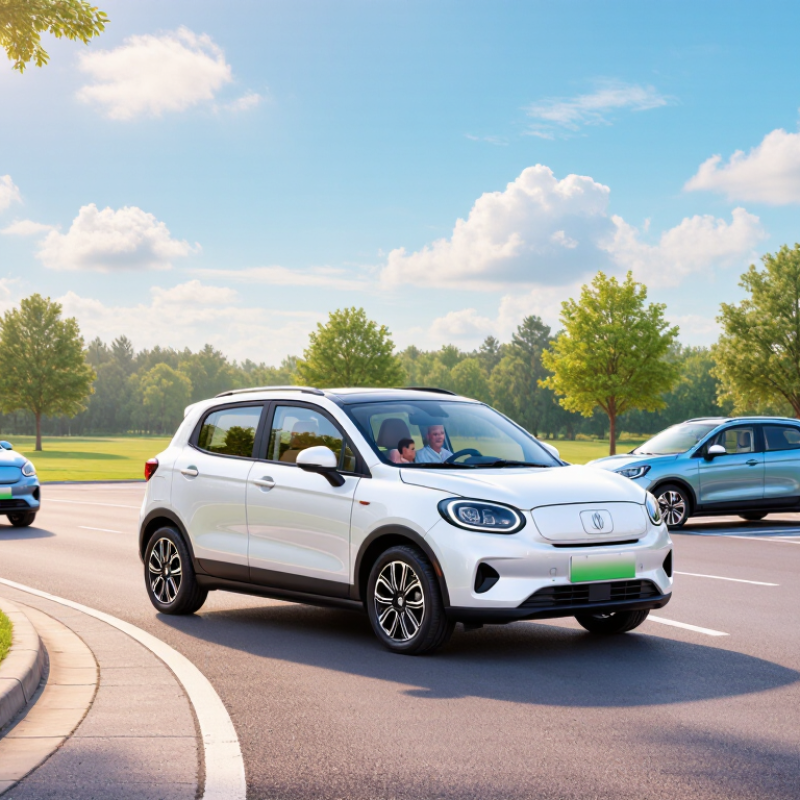
What Is the Best Low Speed Electric Car?

Understanding Low-Speed Electric Cars and Their Main Uses

What Is the Best Low Speed Electric Car?

A low-speed electric car is designed for short, controlled trips rather than highways. In the United States, a low-speed vehicle typically reaches 20–25 mph and may be restricted to roads with speed limits of 35 mph or below, according to the National Highway Traffic Safety Administration. Rules differ by location, so buyers should check local requirements before driving on public streets.

Their main uses are practical. They work well for campus transport, retirement communities, resorts, warehouse sites, and neighborhood errands. A small turning radius helps on narrow paths. A quiet motor suits early morning maintenance work. The U.S. Department of Energy reports that electric vehicles convert much more stored energy into movement than conventional vehicles, which can reduce energy waste during repeated stop-and-go travel. That advantage matters when daily routes are short.

Battery size should match the real journey. The International Energy Agency reported that global electric car sales exceeded 14 million in 2023, showing stronger acceptance of electric transport, but low-speed vehicles serve a different purpose. They usually need less energy and simpler charging. Still, cold weather can reduce range, and exposed cabins may become uncomfortable in rain. I would inspect braking, lighting, seat belts, ground clearance, and charging access before comparing appearance. A cheaper vehicle may become expensive if its battery is difficult to replace. Some buyers also overestimate road freedom. That mistake deserves more attention.

Key Factors for Comparing Performance, Range, and Charging

What Is the Best Low Speed Electric Car?

Performance should match the roads you actually use. During a test drive, check acceleration, hill climbing, braking, and steering response. A small electric motor may feel quick on flat streets but struggle with two passengers and groceries. Torque matters more than advertised top speed in daily traffic. Test the vehicle on a mild slope, with a realistic load.

Range figures need careful interpretation. Manufacturers often measure range under controlled conditions. Cold weather, steep roads, tire pressure, and heater use can reduce distance noticeably. My first estimate was too optimistic after driving through rain and several hills. Compare usable battery capacity, not only the headline range. Independent road tests and the vehicle manual provide stronger evidence than sales language. Leave a practical reserve for unexpected detours.

Charging convenience can decide whether the car feels reliable. Check the battery size, charging power, cable length, and socket requirements. A standard household outlet may need many hours for a full charge. A dedicated circuit can improve safety and consistency when installed by a qualified electrician. Measure your parking distance from the outlet. Also, confirm battery warranty terms, charging limits, and service access before purchasing. Small details matter.

The Best Low-Speed Electric Cars for Different Driving Needs

What Is the Best Low Speed Electric Car?

The best low-speed electric car depends on where and why you drive. A neighborhood vehicle suits short trips, private communities, and quiet residential roads. In the United States, federal rules generally limit low-speed vehicles to 25 mph. Local access rules can be stricter.

For daily errands, check usable range, charging time, weather protection, and storage space. A practical model should carry groceries, include reliable headlights, and offer stable handling on uneven pavement.

The U.S. Department of Energy’s Alternative Fuels Data Center recommends checking charging access before purchase, especially for drivers without private parking. Home charging is convenient, but not universal.

Range is not everything. A modest battery may work well for a five-mile commute, while winter temperatures can reduce real-world performance.

For longer suburban routes

For longer suburban routes, choose stronger braking, better seating support, and a larger battery. The International Energy Agency reported nearly 14 million electric car sales worldwide in 2023, showing broad market growth. However, that figure mainly covers full-size electric cars, not low-speed vehicles. This distinction matters. They are not interchangeable.

Safety deserves careful reflection.

The Insurance Institute for Highway Safety has repeatedly noted that small, low-speed vehicles provide less crash protection than conventional cars. Avoid roads with fast traffic when possible.

A vehicle that feels perfect on a sunny afternoon may feel limited during rain, hills, or heavy cargo use. Test it in realistic conditions.

Quiet mornings help, but they can hide practical weaknesses.

Safety Features, Legal Requirements, and Operating Limits

A low-speed electric car is not simply a smaller electric vehicle. In the United States, NHTSA’s Federal Motor Vehicle Safety Standard No. 500 limits low-speed vehicles to 20–25 mph. They must include seat belts, lamps, mirrors, a windshield, and a parking brake. Local rules may still require registration, a driver’s license, insurance, and approved roads. A quiet motor can hide approaching traffic. That is not a safety feature.

Crash protection remains the difficult question. NHTSA’s 2022 Traffic Safety Facts reported 12,151 speeding-related traffic deaths, representing 29% of all traffic fatalities. A low-speed vehicle cannot overcome high-speed traffic physics. Its operating limits matter near intersections, divided highways, steep streets, and poor-weather routes. The International Energy Agency reported nearly 14 million electric car sales worldwide in 2023, but that broad growth does not prove equal protection for small neighborhood vehicles. The category is easy to misunderstand.

Tips: Check the exact speed classification before purchase. Read your local transport authority’s rules, not only the seller’s manual. Test every belt, lamp, mirror, horn, and brake on a quiet street. Ask whether the vehicle is permitted on your planned route. Keep a wider following distance, because short stopping distances are not guaranteed. I would also inspect visibility at dusk; small dimensions can make a vehicle disappear beside larger traffic. One uncomfortable detail remains: legal compliance does not equal strong crashworthiness.

Ownership Costs, Maintenance, and Long-Term Value

Choosing the best low speed electric car depends less on its purchase price than on its total ownership cost. A practical comparison should include electricity, insurance, registration, tires, charging equipment, and expected repairs. For short daily trips, home charging may cost only a few dollars each month. However, installation can add a substantial upfront expense.

Maintenance is usually simple, but it is not maintenance-free. Electric motors need fewer fluid changes, yet brakes, suspension parts, lights, and tires still wear. Small tires can be surprisingly expensive when replacements are uncommon. Ask for service records and a battery health report before buying used. A professional inspection is worth the fee. It may reveal corrosion beneath the floor or weak charging connections. Those details matter.

Long-term value depends on battery durability, parts availability, build quality, and resale demand. A vehicle with modest speed but strong weather protection may serve better than a cheaper, poorly sealed model. Battery replacement remains the largest uncertainty. Costs vary widely, and future prices are difficult to predict. I would also compare real range in cold weather, not only the advertised figure. Numbers can disappoint. A careful owner should keep charging between recommended limits, store the vehicle properly, and budget for gradual battery loss. Even then, the calculation is imperfect. A low purchase price does not guarantee low ownership costs.

Translate »