Best 10 Laboratory Supplies You Need for Your Research?
In the realm of scientific research, adequate laboratory supplies play a critical role. Every experiment relies on the right tools for accurate results. Researchers often overlook the importance of quality supplies, which can lead to inconsistent data. To elevate your work, consider the essential items every lab should have.
From pipettes to beakers, each piece serves a unique purpose. However, not all supplies are created equal. Investing in reliable brands can enhance efficiency and precision. Many researchers settle for cheaper options, realizing too late the consequences of poor quality. Find the balance between cost and reliability; it's essential for successful outcomes.
Laboratory supplies must fit the specific needs of your research. Every experiment is different, and sometimes, standard items aren't adequate. Reflect on your requirements and seek out customized solutions. It’s a journey of trial and error, where mistakes can lead to valuable lessons. In understanding what you need, you ensure your research is both innovative and effective.
Essential Types of Laboratory Supplies for Research Projects
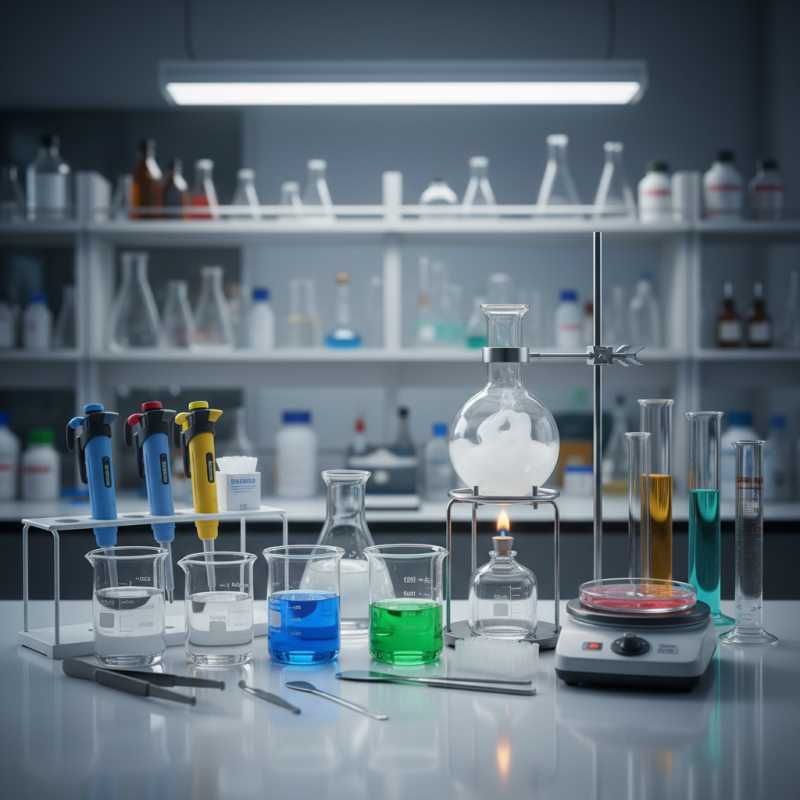
When embarking on research projects, having the right laboratory supplies is crucial. Essential types of laboratory supplies can significantly impact the outcome of experiments. Basic items include beakers and flasks. These containers allow for the precise mixing of chemicals and solutions. Measuring tools, like pipettes and balances, help ensure accurate measurements.
Another category is safety equipment. Lab coats and safety goggles are indispensable. They protect researchers from harmful substances. It’s easy to overlook these items until an accident occurs. Furthermore, consumables like gloves and wipes are vital for maintaining a clean work environment. Without them, contamination might compromise results.
Finally, specialized tools can enhance your research. Microscopes and centrifuges are examples. They enable deeper analysis of samples. Yet, these items require frequent maintenance. Regular checks are necessary to ensure they function correctly. It’s important to reflect on equipment choices and make adjustments when needed. Flaws in lab setups can lead to unexpected challenges during experiments.
Best 10 Laboratory Supplies You Need for Your Research
| Item |
Description |
Uses |
Typical Quantity Needed |
| Pipettes |
Precision liquid handling instruments |
Transferring small volumes of liquid |
5-10 |
| Beakers |
Wide cylindrical containers |
Mixing and holding liquids |
3-5 |
| Test Tubes |
Small tubes for holding samples |
Conducting reactions |
10-20 |
| Microscopes |
Optical instruments for viewing small objects |
Analyzing samples at a cellular level |
1-2 |
| Graduated Cylinders |
Tall containers with volume markings |
Measuring liquid volumes |
2-4 |
| Bunsen Burners |
Gas burners for heating |
Sterilizing equipment, heating samples |
1-2 |
| Refrigerators |
Cooling appliances for samples |
Preserving biological samples |
1 |
| Incubators |
Controlled temperature storage units |
Growing cultures |
1 |
| Fume Hoods |
Ventilated workspaces |
Safety when working with hazardous materials |
1 |
| Safety Goggles |
Protective eyewear |
Protecting eyes during experiments |
5-10 |
Key Factors to Consider When Choosing Laboratory Supplies
Choosing the right laboratory supplies is crucial for successful research. Start with safety. Items like gloves and goggles are essential. They protect you from harmful substances. Make sure they fit properly. An ill-fitting glove is uncomfortable and can lead to distractions.
Next, consider durability. Frequent use can wear out supplies quickly. Look for materials that withstand rigorous conditions. Glassware, for example, should resist thermal shock. A cracked beaker can ruin an experiment. Pay attention to storage. Proper organization reduces the chance of mishaps. Supplies sprawled across a bench are easy to overlook and accidentally break.
Lastly, think about your budget. High-quality items often save money in the long run. But don't fall for every high price. Sometimes, affordable options perform well too. Review reviews and ask peers. Their experiences offer valuable insights. Balancing cost and quality can be challenging but critical. This requires ongoing reflection and adjustments in your choices.
Top 10 Must-Have Laboratory Supplies and Their Uses
In any research setting, having the right laboratory supplies is critical. Here are ten essential supplies you should consider. Each plays a unique role in facilitating experiments and ensuring accurate results.
Pipettes are fundamental for precise measurement. They come in various types, allowing you to transfer small liquid volumes efficiently. A study by the National Institutes of Health indicates that improper pipetting can lead to a 10% margin of error in experiments. Make sure to calibrate your pipettes regularly.
Another must-have is a high-quality microscope. It’s essential for studying cell structures. Quality microscopes enhance visualization, making them vital for cellular biology research. Remember, not all microscopes are suitable for every task. Always assess your specific research needs before making a selection.
Tips: Always keep glassware clean to avoid contamination. Even a small residue can skew results. Storage is also crucial; ensure all supplies are stored in designated areas to prevent mix-ups. Reflect on your supplies’ usage. Over time, some items may need replacing to maintain accuracy and safety in experiments. Be proactive about your lab's conditions for optimal research outcomes.
Tips for Maintaining and Organizing Laboratory Supplies
Maintaining and organizing laboratory supplies is crucial for efficient research. A cluttered lab can lead to wasted time and mistakes. Start by categorizing supplies based on usage. This can range from chemicals to glassware. Use clear bins or labels for easy identification. It's surprising how often items get misplaced.
Regularly check inventory to avoid shortages.
Also, consider creating a checklist for essential materials. This simple tool can prevent running out of vital supplies during critical experiments. Ensure that everything is placed back in its designated spot. Encourage your team to adopt this habit. It can streamline processes and improve workflow.
Sometimes, even a small adjustment can make a big difference.
Reflect on your organization habits. Are you holding onto outdated supplies? A cleanout may reveal items that are no longer needed.
This not only frees up space but also mental clarity. Remember, an organized lab fosters a productive environment for innovation and discovery.
Safety Protocols and Best Practices for Using Laboratory Equipment
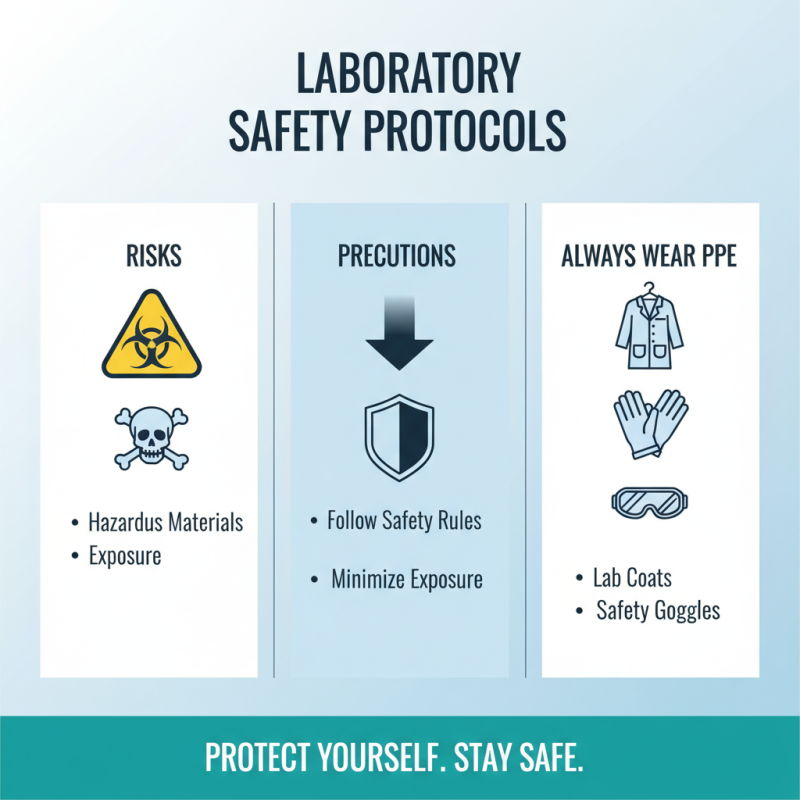
Laboratory work can be risky. Following safety protocols is essential. Always wear personal protective equipment (PPE). This includes lab coats, gloves, and safety goggles. Proper attire minimizes exposure to hazardous materials.
Before using any equipment, read the manual. Understanding how to operate machines is vital. Many accidents happen due to misuse. For example, incorrect handling of glassware can lead to cuts or spills. Always inspect tools before each use. If something seems damaged, don't take risks.
Tips: Keep a first aid kit nearby. Familiarize yourself with emergency procedures. Regular training can also enhance safety awareness. Setting up clear communication can prevent misunderstandings among team members. Regularly assess your lab environment to identify potential hazards. Adjusting your practices based on these assessments can significantly improve safety.