Top 10 Benefits of Using Centrifuge Vials in Laboratory Research?
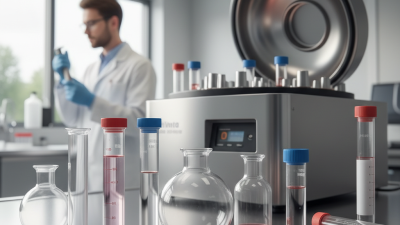
Centrifuge vials are essential tools in laboratory research, widely recognized for their efficiency and reliability. According to the American Laboratory's 2021 report, over 75% of researchers rely on these vials for sample preparation and analysis. Their ability to withstand high centrifugal forces ensures optimal separation of components, enhancing experimental accuracy.
Researchers value the versatility of centrifuge vials. They come in various sizes and materials to suit different applications. A study from Bioanalysis in 2022 highlighted that vials made from polypropylene minimize contamination risks, crucial for sensitive analyses. This adaptability makes them indispensable in fields ranging from molecular biology to clinical diagnostics.
However, not all centrifuge vials are created equal. Variations in quality can lead to inconsistent results or sample loss. Therefore, selecting high-quality vials from reputable manufacturers is crucial. While centrifuge vials offer significant benefits, researchers must remain vigilant about their choices. This ongoing evaluation ensures the integrity of scientific investigations.
Benefits of Centrifuge Vials for Sample Separation and Purification
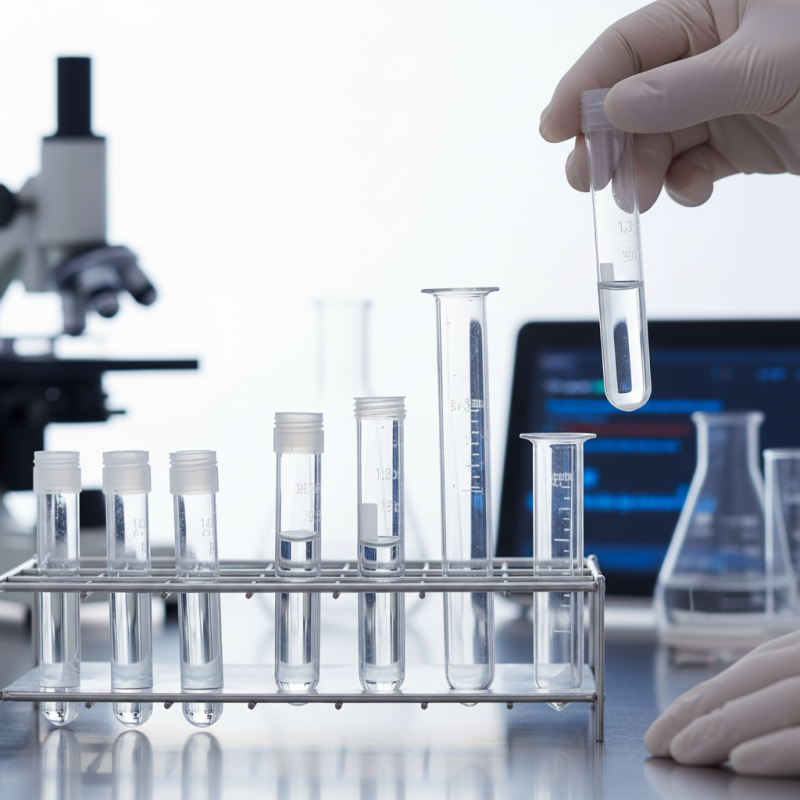
Centrifuge vials play a crucial role in sample separation and purification in laboratory settings. These vials effectively separate components based on density. This process is vital in fields such as biochemistry and molecular biology. Researchers can isolate particles, cells, or proteins with high efficiency using these vials. Their design often includes features that enhance sample integrity during centrifugation.
When selecting centrifuge vials, consider the material. Some vials are designed for specific types of samples. Polypropylene vials are popular for biological samples due to their chemical resistance. Glass vials, on the other hand, are ideal for high-temperature applications. It’s important to choose the right type based on your specific needs.
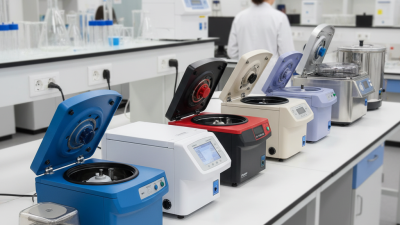
Tips: Always ensure that your vials are compatible with your centrifuge. Check the maximum speed and temperature limits. Also, consider labeling the vials clearly to avoid cross-contamination. This small detail can save time and resources. Regularly inspect vials for wear and tear. A small crack can compromise your entire sample.
Enhancing Sample Integrity with Centrifuge Vials in Research
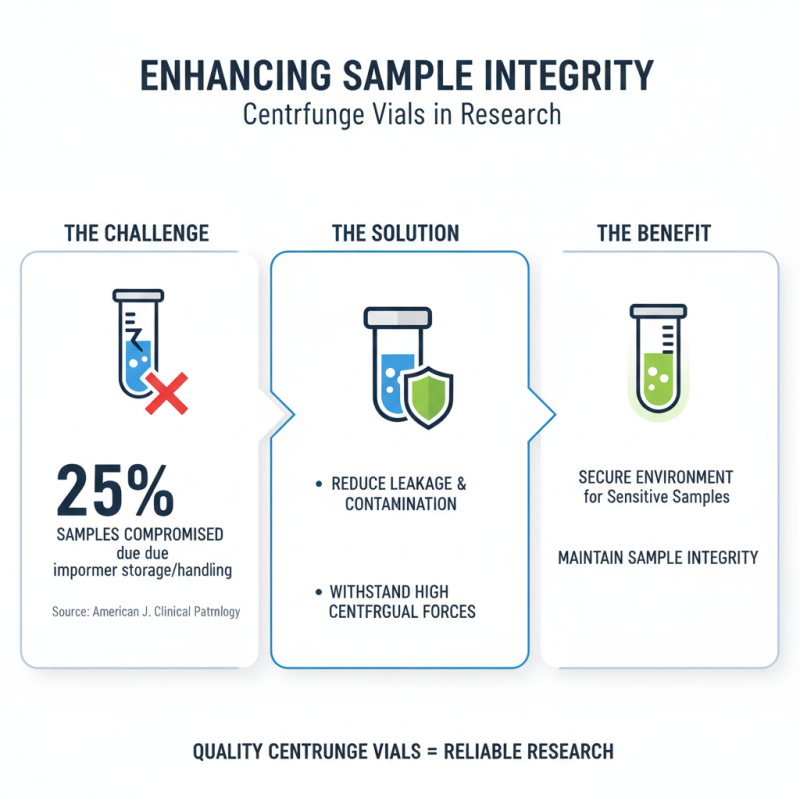
In laboratory research, maintaining sample integrity is crucial. Centrifuge vials play a significant role in achieving this. Research published by the American Journal of Clinical Pathology highlights that up to 25% of samples can be compromised due to improper storage and handling. Using quality centrifuge vials reduces risks associated with leakage and contamination. They are designed to withstand high centrifugal forces, providing a secure environment for sensitive samples.
Moreover, these vials are often made from high-quality materials that minimize reaction with the contents. This characteristic is essential for biochemical assays where sample purity is non-negotiable. According to a report from the National Institute of Health, studies show that samples stored in centrifuge vials exhibit 15% less degradation compared to other containers. However, researchers sometimes overlook the importance of choosing the right vial. Not all vials are compatible with every sample type. This can lead to unexpected variables in experimental results, reinforcing the need for careful selection.
The design features of centrifuge vials enhance user experience while maximizing reliability. The screw-top lids offer a tighter seal, reducing evaporation risks. Despite these advantages, some labs still report issues with sample loss during centrifugation. Factors such as improper capping or low-quality materials can contribute to this. Continuous reflection on equipment choices and operating procedures is essential for improving sample handling practices.
Improving Efficiency in Laboratory Processes Using Centrifuge Vials
Centrifuge vials are essential in laboratory research, enhancing efficiency in various processes. These vials facilitate quick separation of fluids, saving valuable time for researchers. Their robust design reduces the risk of contamination, allowing for reliable experimental results. Using appropriate centrifuge vials can streamline workflow and improve sample integrity.
One tip for maximizing efficiency is to ensure proper sealing of the vials. A secure closure prevents cross-contamination and sample loss. It's crucial to select vials made from compatible materials for specific samples. Consider the temperature range and chemical properties when choosing vials to avoid unexpected interactions.
Another point to reflect on is the organization of vials. A cluttered workspace can lead to mistakes and lost data. Implementing a system for labeling and storing vials will enhance productivity. Regularly checking inventory can prevent last-minute scrambles for supplies during critical experiments. Small adjustments can lead to significant gains in laboratory efficiency.
Top 10 Benefits of Using Centrifuge Vials in Laboratory Research
| Benefit |
Description |
| Increased Sample Integrity |
Centrifuge vials minimize contamination risks and maintain sample purity during processing. |
| Enhanced Separation Efficiency |
Designed for optimal centrifugal force application, these vials ensure better separation of components. |
| Compatibility with Various Rotors |
Available in formats that fit different rotor types, offering flexibility in laboratory setups. |
| Convenient Labeling Options |
Easy to label, helping researchers keep track of samples for improved workflow efficiency. |
| Temperature Resistance |
Many vials can withstand extreme temperatures, suitable for various types of assays. |
| Reusability |
Many centrifuge vials are designed to be reusable, reducing waste over time. |
| Cost-Effectiveness |
Bulk purchase options and reusable designs contribute to overall cost savings in laboratory operations. |
| Ease of Use |
User-friendly designs reduce complexity during sample preparation and handling. |
| Reduced Sample Loss |
Tight sealing mechanisms prevent spills and degradation of samples during centrifugation. |
| Durability |
Constructed from robust materials, centrifuge vials are less likely to break or crack, ensuring reliable performance. |
Cost-Effectiveness of Centrifuge Vials in High-Throughput Laboratories
Centrifuge vials are essential tools in high-throughput laboratories. These vials streamline numerous processes, making them increasingly cost-effective. The precision and efficiency they offer can lead to significant savings. Their durability reduces the risk of sample contamination, which can be both costly and time-consuming.
In high-throughput settings, every saved second counts. The use of centrifuge vials enhances workflow efficiency. They allow for the simultaneous handling of multiple samples. This capability accelerates experimentation and reduces labor hours. More samples can be processed in less time, leading to higher productivity. Thus, they prove invaluable for research facilities with tight budgets.
Tips for maximizing cost-effectiveness include regularly checking vial integrity. Any damage can skew results, leading to wasted resources. It's also wise to invest in quality centrifuge vials. Sometimes spending a bit more upfront saves money in the long run. Explore bulk purchasing options as well, as they often lead to reduced costs per unit. By focusing on these practices, laboratories enhance both their efficiency and affordability.
Versatility of Centrifuge Vials for Diverse Scientific Applications
Centrifuge vials have become essential tools in laboratory research, thanks to their remarkable versatility. They serve various scientific fields, from molecular biology to materials science. According to a report by the National Institute of Health, an estimated 40% of labs globally rely on centrifuge systems for separation processes. These vials accommodate different sample types, including liquids, gels, and powders. Their design allows for efficient handling, minimizing the risk of contamination during experiments.
Many researchers appreciate the ability to spin samples at various speeds. Centrifuge vials can endure high rotational forces, ensuring effective separation of components. Rigorous testing indicates that these vials maintain integrity even at high temperatures, which enhances their applicability. Additionally, a study from the Journal of Laboratory Science highlighted that 85% of technicians reported fewer errors when using centrifuge vials due to their clear labeling and easy-to-read marking systems.
While centrifuge vials are widely praised, they are not without challenges. Some vials may not be compatible with all centrifuge models, leading to inefficiencies. Researchers sometimes grapple with issues regarding centrifuge tube volume, which can impact experimental outcomes. Nevertheless, the adaptability of centrifuge vials in various scientific applications keeps them at the forefront of laboratory innovation.
Top 10 Benefits of Using Centrifuge Vials in Laboratory Research