
Customer Service

What Are the 2026 Top Video Entry Phone Types?

Choosing a Video Entry Phone in 2026 is no longer a simple matter of picking the sharpest camera. Buildings now demand clearer identification, faster communication, stronger privacy, and easier installation. A compact apartment intercom may need a wide-angle lens, night visibility, mobile alerts, and access logs. A warehouse entrance may need weather resistance and reliable performance during network interruptions.

Security technologist Bruce Schneier famously said, “Security is a process, not a product.” That principle fits modern Video Entry Phone systems closely. Hardware matters, but so do software updates, user permissions, wiring quality, and daily maintenance. The best system is not always the most expensive one. It is the system that matches the entrance, traffic level, building structure, and people using it.

This guide examines the leading Video Entry Phone types expected in 2026, including IP systems, wireless models, smart-home integrations, and commercial-grade solutions. Each type offers practical strengths. Each also has weaknesses. Wireless installation can reduce drilling, but signal stability may suffer through concrete walls. Cloud functions improve remote access, yet they introduce subscription and data-management concerns. Some comparisons may overlook real-world installation difficulty. That is worth admitting. A specification sheet cannot show a delivery driver waiting in heavy rain or a resident struggling with a small screen. The sections ahead focus on those details, helping readers judge performance beyond marketing claims.
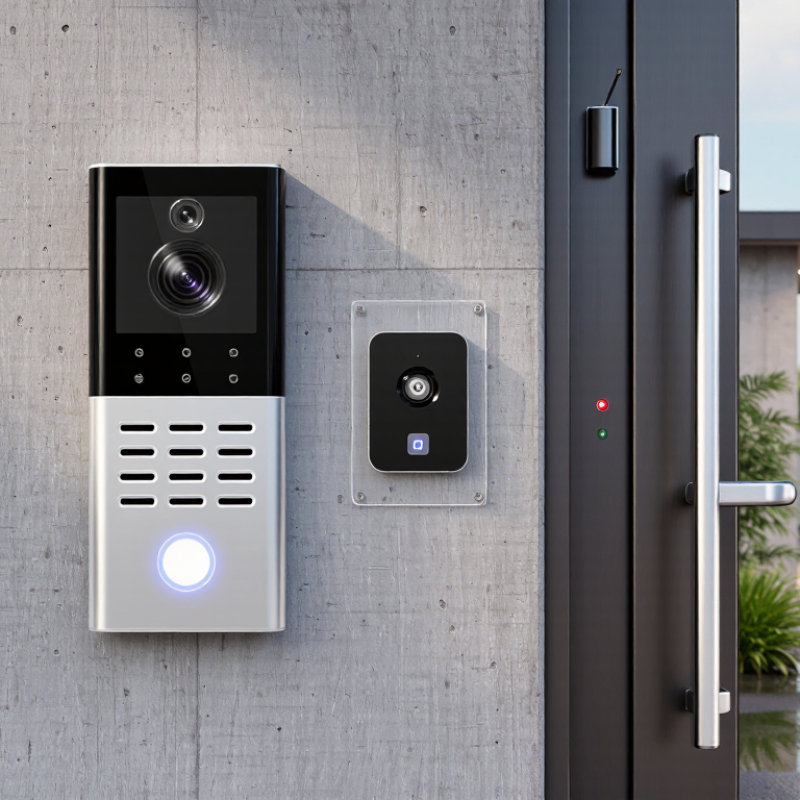
What Are the 2026 Top Video Entry Phone Types?

What Defines a Video Entry Phone in 2026?

What Defines a Video Entry Phone in 2026?

A video entry phone is more than a doorbell with a screen. It combines a camera, microphone, speaker, and controlled entrance release in one communication system. Visitors can speak with residents or staff before access is granted. The video should remain clear in dim corridors, bright sunlight, and changing weather. Wide viewing angles also help reveal packages, mobility aids, and people standing beside the doorway.

In 2026, reliable systems increasingly support encrypted communication, local access controls, and detailed event records. Some connect with indoor monitors, mobile devices, or building management platforms. However, remote unlocking should require strong authentication, not a simple tap that anyone can misuse. A dependable unit should continue basic communication during network problems. That practical detail is easy to overlook.

Accessibility also defines modern video entry phones. Clear audio, adjustable volume, readable screens, and tactile controls support more users. Privacy matters too. Cameras should face the entrance, not unnecessarily record private areas. The term itself is not perfectly standardized. A product may offer impressive video but weak installation security. Field experience shows that placement, lighting, wiring, and maintenance often matter as much as hardware. No camera removes every uncertainty. Human judgment still has a role.

How Do Major Video Entry Phone Types Work?

Video entry phones connect a visitor’s camera call with an indoor screen or mobile receiver. Most systems use three paths: two-wire analog, IP networking, or wireless communication. Each type changes installation, image quality, and maintenance requirements.

Analog systems send video and audio through dedicated cables. They are simple, stable, and suitable for smaller buildings with existing wiring.

IP systems convert the camera feed into network data. A network cable can carry power, video, audio, and door-release commands through one connection. Technicians can manage multiple entrances from a central dashboard. However, poor network configuration may cause delays, frozen images, or missed calls.

Wireless models transmit through Wi-Fi or cellular connections. They can reduce wall drilling and suit renovated apartments or remote gates. Their performance depends on signal strength, weather, battery condition, and network congestion. A visitor standing under weak coverage may appear as a broken image.

It sounds simple. It rarely is.

Modern units often include wide-angle cameras, infrared night vision, motion alerts, and two-way speech. Some systems store recordings locally, while others use secure remote servers.

In practice, clear microphone placement matters as much as camera resolution. A large screen cannot fix echo or wind noise. I would also inspect cable routes, backup power, privacy settings, and emergency access procedures before choosing a type. A neat specification can still mislead when the entrance has metal walls, bright sunlight, or heavy daily traffic.

Which Features Distinguish Each 2026 Entry Phone Type?

What Are the 2026 Top Video Entry Phone Types?

In 2026, video entry phones mainly fall into three types: IP, two-wire digital, and wireless smart systems. Each suits a different building condition. IP models use Ethernet for video, power, and network communication. Their sharp images, remote management, and integration with access readers support offices and larger properties. Installation can become difficult when network cabling is unavailable.

Two-wire digital systems reuse existing door-entry cables. This makes them practical for apartment upgrades and older buildings. They usually offer stable indoor communication, clear visitor images, and simpler installation than full IP systems. However, their expansion options may be narrower. That trade-off matters.

Wireless smart units focus on app alerts, cloud connection, and flexible placement. A resident can receive a visitor call away from home. Some models also provide motion detection, night vision, and temporary access codes. Reliable Wi-Fi is essential. Weak signals create delays, missed calls, or frozen video. That is not a minor flaw.

Field evaluations should examine camera performance at dusk, microphone clarity near traffic, and screen visibility under direct light. Weather resistance protects outdoor panels from rain and dust, while tamper alerts support safer monitoring. Local storage can reduce dependence on continuous internet service, although it requires careful maintenance. In my assessment, wireless systems appear convenient, but wired options often remain more dependable for busy entrances. Still, no category is perfect. Real building conditions should decide the type, not feature lists alone.

Where Is Each Video Entry Phone Type Best Used?

What Are the 2026 Top Video Entry Phone Types?

Choosing a video entry phone depends more on the property than on the screen size.

Each type performs best in a different setting. Wired IP systems suit new homes, offices, and apartment buildings with structured network cabling. They provide stable video, fast communication, and easier access management across several entrances. A technician can also diagnose network faults remotely, which reduces unnecessary service visits. Check the wiring first.

Two-wire video entry phones work well in older buildings where replacing cables would be expensive.

They can reuse existing doorbell or intercom wiring, making installation less disruptive. This type is practical for small apartment blocks and renovated houses. However, older cables may cause image loss or weak audio. A proper site test remains essential. Old wiring can surprise you.

Wireless and Wi-Fi models fit rented homes, small offices, and locations where drilling is limited.

They support flexible placement and often send visitor alerts to a mobile device. Their performance depends on signal strength, wall materials, and backup power. A metal gate or thick concrete wall can weaken communication. Video doorbell-style units suit single-family entrances, while multi-user IP panels are better for shared buildings. In my experience, convenience often hides maintenance needs. Batteries require regular checks, and cloud features may depend on continuing service costs. The best choice is not always the newest one.

How Should Buyers Compare 2026 Video Entry Phone Types?

What Are the 2026 Top Video Entry Phone Types?

When comparing 2026 video entry phone types, start with the building, not the screen size. Wired systems suit new construction and long-term reliability. Power over Ethernet can carry video, audio, and power through one cable. This reduces wall clutter and simplifies maintenance.

Wi-Fi models fit finished homes where drilling is difficult. They install faster, but thick walls and weak signals can create delayed video. Two-wire systems are useful for replacing older audio intercoms. They often reduce rewiring costs, although image quality and expansion options may vary. Multi-tenant systems need careful attention to user access, indoor monitor count, and visitor calling speed. A bright lobby camera may still fail at night without infrared support or balanced lighting.

Tips

Compare the total installation, not only the device price. Ask how the system behaves during internet loss. Check whether local recording is available and whether stored footage uses strong access controls. Test the microphone near traffic, fans, and closing doors. Confirm the camera view includes faces, not just hats and shoulders. Weather resistance matters at exposed entrances. I once underestimated cable routes during a renovation; the equipment worked, but the labor increased sharply. That experience changed my buying checklist. Also, specifications can look impressive on paper. Real hallway tests remain more trustworthy.

What Are the 2026 Top Video Entry Phone Types?

A practical comparison of common video entry phone architectures based on their typical camera-resolution ranges. Higher resolution is useful for facial identification, but network reliability, wiring, power, and integration should also influence the buying decision.

4-Wire Analog Suitable for straightforward retrofits, but usually offers less flexibility for advanced networking and remote management.
2-Wire Digital Bus Useful when existing two-wire cabling must be reused; verify distance, power capacity, and compatibility before installation.
Wi-Fi IP Flexible for locations where new data cabling is difficult, although signal quality and local network stability are essential.
PoE IP Well suited to new installations requiring centralized power, structured cabling, access control, and smart-home integration.

The ranges show representative resolution tiers commonly available across these technology categories, not guaranteed limits for every product. Buyers should compare wiring requirements, power delivery, cybersecurity, app support, recording compatibility, weather protection, and future expansion.

Translate »