
Customer Service

2026 Top Dado Blade Set Types for Global Buyers?

Choosing the right Dado Blade Set in 2026 requires more than comparing tooth counts and prices. Global buyers must examine compatibility, cutting width, arbor size, material quality, and verified safety guidance. A stacked dado set offers precise width control through chipper blades and shims. A wobble set usually costs less, but it may leave a less consistent groove. Small details matter.

Woodworking educator Marc Spagnuolo states, “A sharp blade is a safer blade.” His practical point remains important for professional workshops and serious home users. A clean, sharp blade reduces burning, vibration, and forced feeding. It does not remove every risk.

This guide introduces the leading Dado Blade Set types for international buyers in 2026. It considers cabinetmaking, shelving, furniture joints, and general table-saw work. Buyers should check the saw manufacturer’s manual before selecting any set. Some saws do not support dado cutting. That limitation is easy to miss.

Quality also depends on carbide tips, plate balance, tooth geometry, and included spacers. A lower-priced set may appear attractive. However, uneven chippers can create ridges inside a groove. That costs time during assembly. Sometimes, the cheapest option becomes expensive.

Regional requirements and retailer claims also deserve careful review. Product descriptions can be incomplete or overly optimistic. Independent testing is preferable when available. I may still overlook a promising regional brand, because the market changes quickly. Still, this comparison offers a practical starting point for safer, more informed purchasing decisions.
2026 Top Dado Blade Set Types for Global Buyers?

What Is a Dado Blade Set and How Does It Work?

2026 Top Dado Blade Set Types for Global Buyers

What Is a Dado Blade Set and How Does It Work?

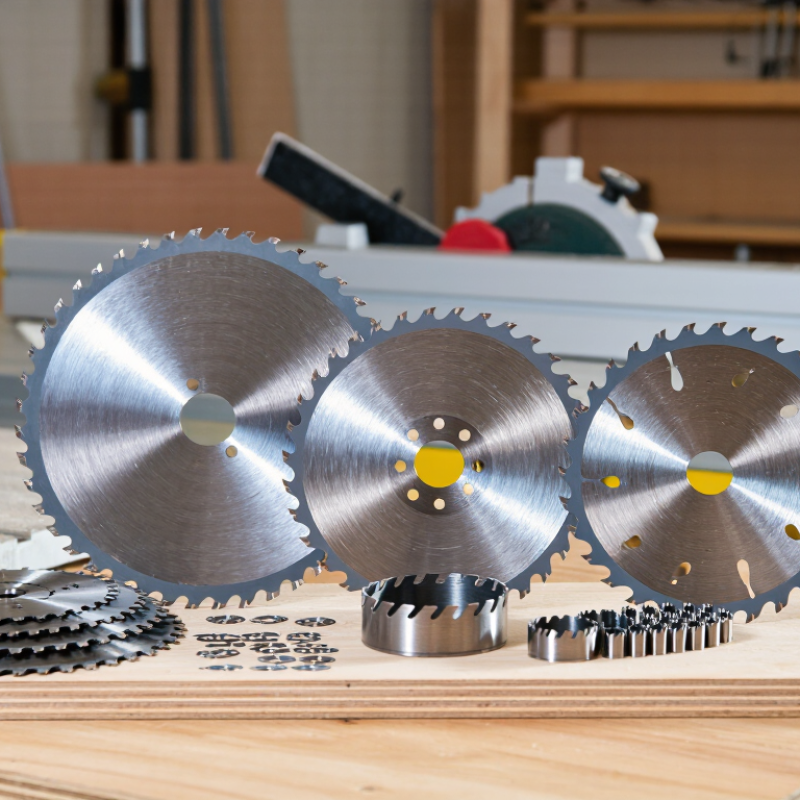
A dado blade set cuts wide grooves, rabbets, and channels in wood. Unlike a standard blade, it removes more material in one pass. Most sets use two outer blades and several inner chippers. The outer blades create clean groove walls. The chippers clear the center material. Thin shims adjust the final cutting width.

The main types include stacked Dado Sets and adjustable wobble blades. Stacked sets usually provide smoother bottoms and more accurate widths. Wobble blades use an angled blade movement, but they may leave a slightly uneven base. Before buying, check arbor diameter, maximum dado width, kerf size, and saw compatibility. Metric and imperial measurements can create small fitting problems. Small problems matter.

Tips: Start with a narrow test cut on scrap wood. Measure the groove with calipers, not eyesight. Install chippers evenly, and confirm every tooth clears the table insert. Use only a saw approved for dado cutting. Some machines cannot safely accept these sets. I still recheck the arbor washer and nut before every setup. It feels repetitive, but one missed detail can damage the cut or the machine. Keep the workpiece flat, use steady feed pressure, and follow local safety requirements.

Which Dado Blade Set Types Are Available in 2026?

In 2026, global buyers can choose among stacked dado sets, wobble dado blades, adjustable sets, and specialized box-joint cutters. Stacked sets use two outer blades with chippers between them. They produce cleaner shoulders and more repeatable widths. Wobble sets use one tilted blade, so setup is faster but the bottom may show a slight arc. Adjustable sets offer flexibility, although their accuracy depends heavily on the spacer system.

Common sizes include 6-inch and 8-inch sets, with cutting widths commonly ranging from 1/4 to 13/16 inch. The 8-inch format suits many table saw applications, but compatibility must be checked carefully. Arbor diameter, maximum dado width, blade guard design, and the saw’s instruction manual all matter. A larger set is not automatically better.

Grand View Research valued the global power tools market at approximately USD 32 billion in 2022 and projected continued growth through 2030. Meanwhile, industry forecasts from Research and Markets indicate steady expansion in the global circular saw blade sector, supported by construction and furniture production. These figures do not measure dado sets directly, so buyers should avoid treating them as exact category demand. That distinction matters. In practical purchasing, carbide tooth geometry, chipper count, kerf control, and replacement-part availability often influence long-term cost more than the initial price. Some catalog descriptions remain unclear, especially around maximum safe width. That is a purchasing risk worth questioning.

2026 Top Dado Blade Set Types for Global Buyers? - Which Dado Blade Set Types Are Available in 2026?

Dado Blade Set Type Typical Configuration Common Diameter Adjustable Cutting Width Typical Arbor Best-Suited Materials Main Advantages Key Buyer Considerations
Stacked Dado Set Two outer blades plus one or more chipper blades and shims 6 in or 8 in Approximately 1/4 in to 13/16 in, depending on the set Commonly 5/8 in Hardwood, softwood, plywood and composite panels Precise width adjustment, clean shoulders and repeatable results Check saw compatibility, maximum dado width and the number of chipper blades included
Wobble Dado Blade One blade tilted to create an adjustable groove width 6 in or 8 in Usually about 1/4 in to 23/32 in Often 5/8 in General-purpose wood and plywood applications Lower purchase cost, fewer components and simple width adjustment May leave a slightly curved groove bottom and can create more vibration than stacked designs
Thin-Kerf Dado Set Reduced-body outer blades with compact chippers and shims Commonly 6 in or 8 in Approximately 1/4 in to 5/8 in Usually 5/8 in; verify the product specification Plywood, solid wood and saws designed for thin-kerf blades Requires less motor power and removes less material per pass Must match the saw's thin-kerf requirements; not suitable for every table saw
Modular or Professional Stacked Set Multiple outer blades, full-size chippers, scoring components and precision shims Typically 8 in Approximately 1/4 in to 13/16 in Commonly 5/8 in Hardwood, veneered plywood, melamine and laminated panels Fine width control, improved chip removal and high repeatability Higher cost and more components to inspect, assemble and store
Plywood-Optimized Dado Set Stacked configuration calibrated around common plywood thicknesses Usually 8 in Common settings include approximately 15/32 in to 23/32 in Typically 5/8 in Construction plywood, cabinet plywood and sheet goods Helps produce tighter joints in panels with nominal thickness variations Actual panel thickness varies by region and material grade; measure before cutting
Router-Table Dado Cutter Set Router-compatible cutter heads or paired cutters used in a router table Common cutter diameters range from 1/2 in to 1-1/2 in Often approximately 1/4 in to 1/2 in, depending on the system 1/4 in or 1/2 in router shank Wood, plywood and some engineered wood products Useful where a router table is available and dado depth must be controlled Not interchangeable with table-saw dado sets; verify shank size, speed rating and plunge limitations
Compact Dado Set for Portable Saws Smaller stacked set designed for compatible compact or jobsite saws Commonly 6 in or smaller Often approximately 1/4 in to 1/2 in Frequently 5/8 in, but model-specific checks are essential Light-duty woodwork, shelving and trim components Lower weight and improved portability for mobile work Many portable saws do not permit dado blades; confirm the saw manual before purchase
Buyer note: Availability in 2026 varies by region and distribution channel. Before ordering, verify arbor diameter, permitted blade diameter, maximum dado width, guard and riving-knife requirements, spindle speed, and the saw or router manufacturer's operating instructions.

How Do Different Dado Blade Designs Compare?

For global buyers, dado blade design matters more than appearance. A stacked dado set uses two outer blades, several chippers, and thin shims. This arrangement creates a flat-bottom groove with clean shoulders. It suits cabinets, shelves, and cross-grain joinery where accuracy matters.

The setup takes longer. Users must balance chipper placement and shim thickness carefully. A 12.7 mm groove may require a different combination from a 19 mm groove. Small errors can leave ridges inside the cut. Still, the design offers predictable results when the arbor, blade plates, and machine power match.

A wobble dado blade uses one tilted blade. Its angle changes the cutting width, so adjustments are quicker. However, the groove bottom can become slightly curved. Vibration may also increase, especially in dense hardwood. That weakness is easy to underestimate. I would not choose it for visible joints without testing scrap material first.

Some buyers prefer adjustable multi-piece designs because they support many groove widths. Others value simpler setups and fewer components. Check the arbor diameter, maximum safe speed, tooth geometry, and machine compatibility before purchase. Metric and imperial sizing can create costly confusion. Product instructions should state suitable materials, setup limits, and inspection steps clearly. In my experience, the best choice is not always the fastest one. It is the design that produces repeatable cuts on the buyer’s actual saw.

2026 Top Dado Blade Set Types for Global Buyers

How do different dado blade designs compare?

Stacked dado sets use multiple cutters and spacers to produce accurate flat-bottom grooves across a broad width range. Wobble dado blades use a single blade at an adjustable angle, offering flexible setup but typically leaving a slightly concave groove bottom. Adjustable grooving cutters generally provide narrower width ranges and are suited to lighter routing or grooving applications. The dimensions shown are representative industry ranges; actual limits depend on arbor size, saw compatibility, cutter configuration, and local safety requirements.

What Materials and Specifications Should Global Buyers Evaluate?

2026 Top Dado Blade Set Types for Global Buyers

A reliable dado set starts with its materials, not its tooth count. Quality sets commonly use hardened steel bodies and micro-grain carbide teeth. The body should resist warping under repeated heat. Carbide quality affects edge life, chip resistance, and cutting consistency. Brazed joints also deserve inspection. Uneven brazing can weaken a tooth during demanding cuts.

Specifications must match the buyer’s machine and materials. Check blade diameter, arbor size, maximum RPM, and adjustable cutting width. Metric and imperial measurements are not always interchangeable. Common sets offer several chippers and thin shims for widths around 6 to 20 millimeters. Outer blades may use alternate-top bevel teeth, while inner chippers often use flat-top teeth. The tooth geometry should suit plywood, hardwood, or composite panels.

Material labels can still be vague. I have seen sets advertised as “industrial grade” without stating carbide composition or body hardness. That is a warning sign. Ask for dimensional drawings, tolerance data, and tested RPM ratings. Confirm the arbor matches the saw without adapters. Packaging should protect carbide edges from impact and moisture. Some buyers focus heavily on tooth numbers and overlook runout. A beautifully cut edge means little if the stack vibrates. Even careful specifications cannot replace a controlled test cut.

How Can Buyers Select, Use, and Maintain the Right Set?

Choosing the right dado blade set starts with the material, machine, and cut depth. Stacked sets offer cleaner shoulders and more consistent widths. Adjustable or wobble sets can suit occasional work, but they may leave a slightly uneven groove. That difference matters when making cabinet joints or shelves.

Check the table saw manual before buying any set. Confirm the permitted arbor size, maximum dado width, and guard requirements. Measure the actual blade stack with calipers, not only the printed label. A small spacer error can create a loose joint. Use sharp cutters, balanced chippers, and matching components from one compatible set. Do not force the feed rate. Let the teeth cut steadily.

Maintenance is simple but often neglected. Remove pitch with an approved cleaner and a soft brush after demanding jobs. Dry every part completely, then store the blades in a rigid case. Inspect carbide tips for chips before each session. A damaged chipper can affect the whole stack. I have seen experienced users overlook this. I have done it too. Test the setup on scrap wood, and check the groove with the actual mating piece. Different wood species can react differently, especially across grain direction. Wear eye and hearing protection, keep hands away from the cutting path, and disconnect power before changing the stack. The best set is not always the widest one. It is the set that matches the machine, joint, and operator’s control.

Article Source:

Translate »